As Jaipur votes, why Muslims are split over eight BJP faces
Source Entity
Parul Kulshreshta
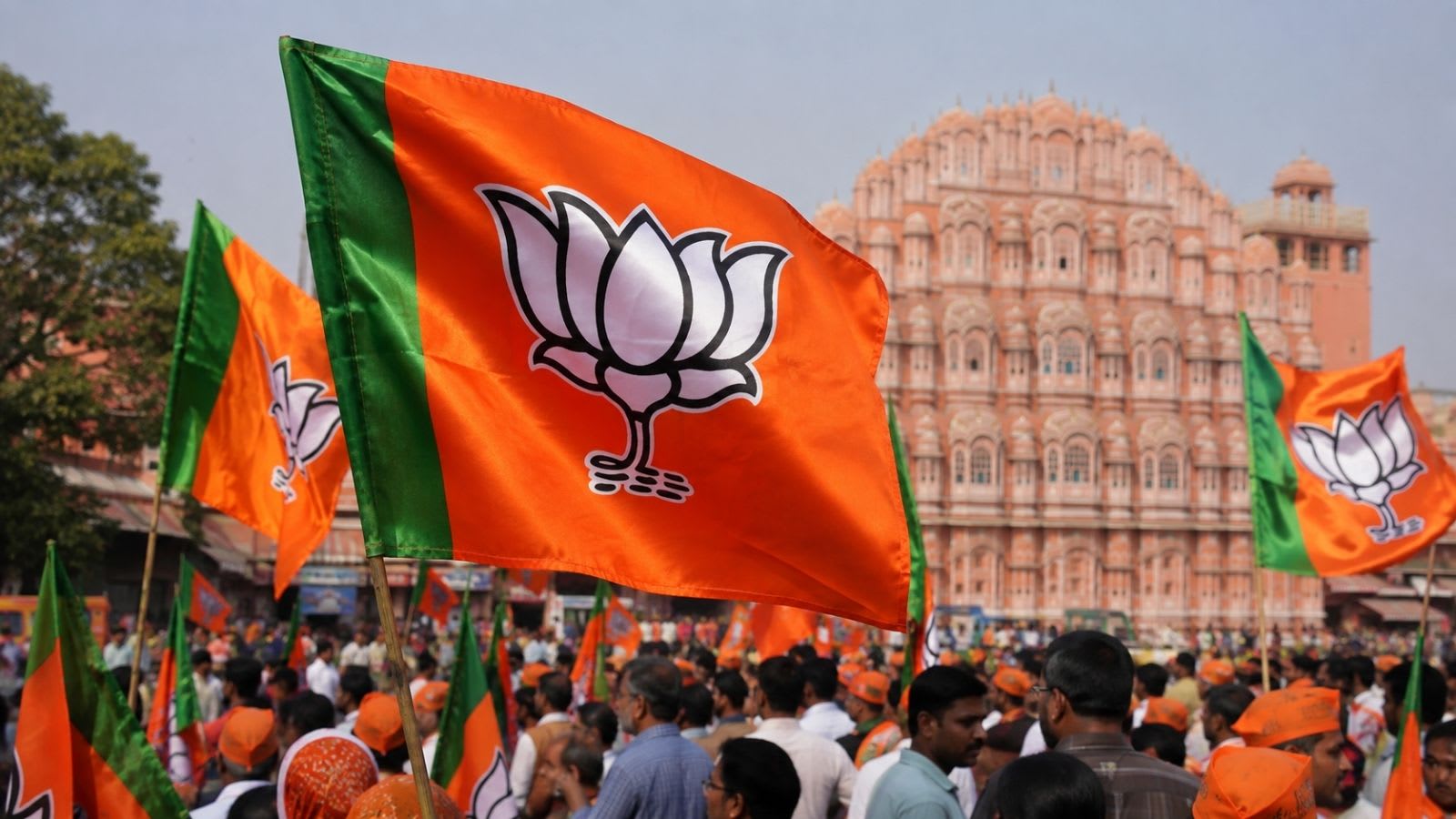
The BJP has shifted its strategy in the Jaipur Municipal Corporation elections by fielding eight Muslim candidates. This move marks a departure from recent electoral trends in Rajasthan and has sparked varied reactions within the community.
Shifting Political Dynamics in Jaipur
The upcoming elections for the 150-seat Jaipur Municipal Corporation (JMC) have become a focal point of intense political maneuvering. As the city gears up for the polls, the streets are dominated by a high-decibel campaign, with both the ruling Bharatiya Janata Party (BJP) and the principal opposition, the Indian National Congress, utilizing loudspeaker-fitted vehicles to reach voters during this critical final push.
A Strategic Pivot by the BJP
A notable development in this election cycle is the BJP’s decision to field eight Muslim candidates. This is a significant tactical shift, as it deviates from the party’s recent electoral strategy in Rajasthan, where it notably refrained from fielding any Muslim candidates during the 2023 Assembly elections and the 2024 Lok Sabha polls. By integrating Muslim representation into its JMC campaign, the BJP is signaling a localized adjustment to its broader state-level electoral approach.
The Mechanics of the Campaign
The candidates are currently engaged in a rigorous, high-energy canvassing schedule to secure their wards. The daily routine for these contenders typically begins at 8:30 am, involving direct interactions with residents and organized rallies intended to mobilize the base. As the sun sets, the campaigns transition into more visible, high-impact roadshows conducted in open jeeps, designed to capture the attention of the urban electorate in the closing hours of the campaign.
Broader Political Implications
The decision to field these candidates is not merely a logistical choice but a reflection of the complex demographic and political landscape of Jaipur. The electoral stakes are high, and the inclusion of minority candidates in the BJP’s ticket suggests an attempt to broaden the party's reach within specific municipal wards. This move invites scrutiny regarding how the local Muslim community will respond to the BJP's overture, given the party's previous electoral silence regarding minority representation in the region.
Future Trends and Electoral Outlook
As the JMC elections progress, political analysts will be watching closely to see if this strategy yields tangible results. The success or failure of these eight candidates could influence future party candidate selection processes in urban local body elections across Rajasthan. While the immediate focus remains on securing seats in the 150-ward corporation, the long-term impact of this decision on the BJP’s inclusivity narrative and the Congress party's traditional voter base remains a subject of intense debate.
Conclusion
The Jaipur Municipal Corporation polls serve as a microcosm of the evolving political climate in Rajasthan. With the BJP testing new waters through its inclusive candidate list, the outcome will likely dictate the tone for future municipal governance and political alliances within the state. As the final votes are cast, the city remains a battleground where traditional party lines are being tested against new, localized electoral strategies.