Jaishankar to meet Quad counterparts in Manila on sidelines of ASEAN meet
Source Entity
Shubhajit Roy
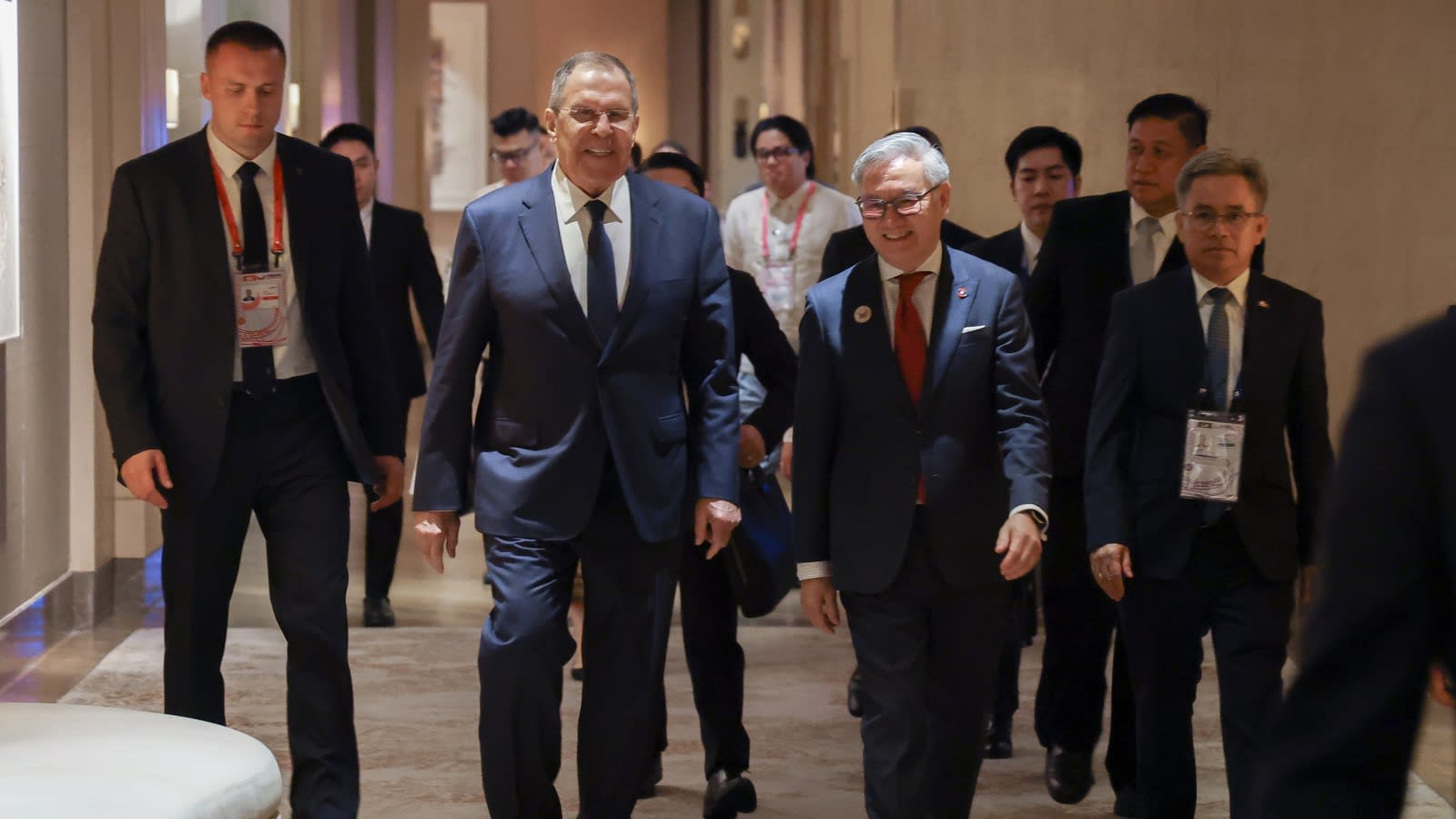
External Affairs Minister S. Jaishankar attended the Quad Foreign Ministers' meeting in Manila to strengthen Indo-Pacific stability and ASEAN partnerships. The sessions focused on countering regional assertiveness while preparing for the 2026 ASEAN-India Year of Maritime Cooperation.
Strengthening the Indo-Pacific: The Quad Meets in Manila
External Affairs Minister S. Jaishankar’s recent visit to Manila, Philippines, marks a pivotal moment in India's diplomatic strategy. Participating in the Quad Foreign Ministers’ Meeting alongside counterparts from the United States, Australia, and Japan, Jaishankar engaged in high-level discussions designed to reinforce regional stability. This meeting, held on the sidelines of the broader ASEAN Ministerial Meetings, highlights the intersection of the Quad’s security-focused agenda with the inclusive, multilateral framework of ASEAN.
Advancing the Act East Policy
Central to India's participation is the country’s 'Act East Policy,' which seeks to deepen economic, strategic, and cultural ties with Southeast Asian nations. The Ministry of External Affairs has explicitly stated that this visit reaffirms India’s commitment to the ASEAN-India Comprehensive Strategic Partnership. By aligning Quad objectives with ASEAN frameworks, India is positioning itself as a central pillar in a stable and rules-based Indo-Pacific, balancing the need for security cooperation with regional developmental goals.
Maritime Cooperation and Future Milestones
The significance of the maritime domain in this diplomatic engagement cannot be overstated. With 2026 officially designated as the 'ASEAN-India Year of Maritime Cooperation,' the discussions in Manila lay the groundwork for long-term collaborative initiatives. This focus suggests a shift toward more tangible, operational cooperation in maritime security, surveillance, and sustainable blue-economy projects, which are vital for the economic health of the ASEAN member states.
Addressing Regional Assertiveness
A primary driver for the increased frequency of Quad engagements—this being the second meeting in under two months—is the need to address China’s growing assertiveness in the region. The Quad members utilized the Manila platform to pledge their commitment to a 'free and open Indo-Pacific.' This rhetoric serves as a collective signal that the grouping remains vigilant against unilateral attempts to alter the status quo, emphasizing the necessity of maintaining international law and freedom of navigation across critical sea lanes.
The Path Toward a Leaders' Summit
While the foreign ministers have maintained a consistent dialogue, observers are closely watching for the scheduling of the Quad Leaders’ Summit, which was previously slated to be hosted by India. The ongoing diplomatic tempo, characterized by bilateral talks between Jaishankar and his counterparts like Marco Rubio, Penny Wong, and Toshimitsu Motegi, indicates that the grouping is refining its policy coordination. These ministerial-level interactions are essential for resolving procedural hurdles and setting the agenda for the eventual summit, ensuring that when the leaders do meet, they have a clear, actionable roadmap for the future of the Indo-Pacific.
Multiple Citing Sources