Jaishankar discusses bilateral ties with Cote d'Ivoire
Source Entity
India Latest News: Top National Headlines Today & Breaking News | The Hindu
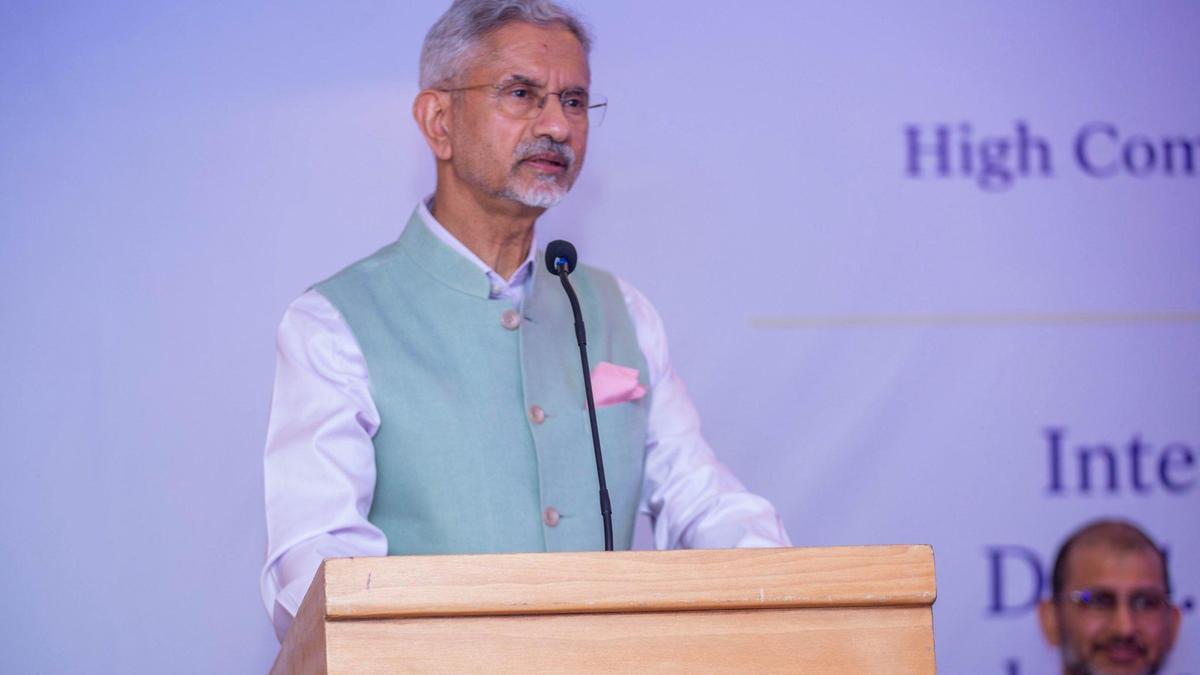
External Affairs Minister S. Jaishankar visited Cote d'Ivoire to bolster bilateral relations, focusing on trade, infrastructure, and defense. The discussions emphasized capacity building and mutual cooperation in anti-terrorism efforts as part of his three-nation African tour.
Strengthening Indo-African Strategic Ties
External Affairs Minister S. Jaishankar’s recent visit to Cote d'Ivoire marks a significant milestone in India’s diplomatic outreach across the African continent. Arriving from Ghana as part of a high-stakes three-nation tour that also encompasses Ethiopia, the Minister’s visit underscores India’s commitment to fostering deep-rooted partnerships with emerging West African economies. By engaging directly with leadership in Abidjan, India aims to recalibrate its foreign policy to prioritize 'people-centric' cooperation, ensuring that development initiatives are aligned with the specific socio-economic needs of the Ivorian government and its citizens.
Expanding Economic and Infrastructure Cooperation
The bilateral talks, held with Minister of State for Foreign Affairs and International Cooperation Niale Kaba, covered a vast spectrum of collaborative potential. Key sectors identified for growth include trade, infrastructure development, agriculture, and healthcare. These discussions are pivotal, as India seeks to position itself as a reliable partner in Cote d'Ivoire’s developmental journey. By focusing on infrastructure and agriculture, India is not merely exploring market expansion but is actively participating in the foundational growth of the local economy, which is essential for long-term stability and mutual prosperity.
Defense and Regional Security Dynamics
A critical component of the visit was the focus on security, particularly in the realms of defense and anti-terrorism. In a meeting with Deputy Prime Minister Téné Birahima Ouattara, Minister Jaishankar highlighted the importance of a growing defense partnership built on mutual trust. Given the regional security challenges faced by West Africa, India’s offer to support capacity building and training programs is a strategic maneuver that strengthens local institutions while bolstering India’s image as a security partner that respects regional sovereignty.
The 'People-Centric' Diplomatic Philosophy
Throughout his visit, Jaishankar consistently emphasized that India's cooperation model is driven by the priorities of the host nation. This approach moves away from traditional, top-down aid models toward a more collaborative framework. By prioritizing people-to-people ties, India is fostering a soft-power influence that transcends government-to-government agreements, aiming to create lasting relationships that can withstand the ebbs and flows of international geopolitics.
Future Implications and Strategic Outlook
As this three-nation tour progresses into its final stage in Ethiopia, the patterns observed in Cote d'Ivoire provide a blueprint for India's broader African strategy. The focus on multi-sectoral engagement—from agriculture to counter-terrorism—suggests that India is positioning itself to be a key player in Africa's 21st-century growth story. Future trends will likely see an increase in institutionalized training exchanges and increased investment flows, provided the current diplomatic momentum is sustained through consistent follow-up and project implementation.
Conclusion
In summary, Minister Jaishankar’s visit to Cote d'Ivoire serves as a robust signal of India’s intent to deepen its engagement in Africa. By balancing economic development with essential security cooperation, India is securing its role as a stable and reliable partner in the region. The emphasis on shared interests and mutual trust ensures that this diplomatic engagement is not just transactional but foundational to a long-term strategic alignment between New Delhi and Abidjan.
Multiple Citing Sources
Verification Required?