Russia pushes back against reports of possible 2nd case amid plague outbreak fears
Source Entity
Latest News: Todays Latest News Headlines from India & World | Hindustan Times | Hindustan Times
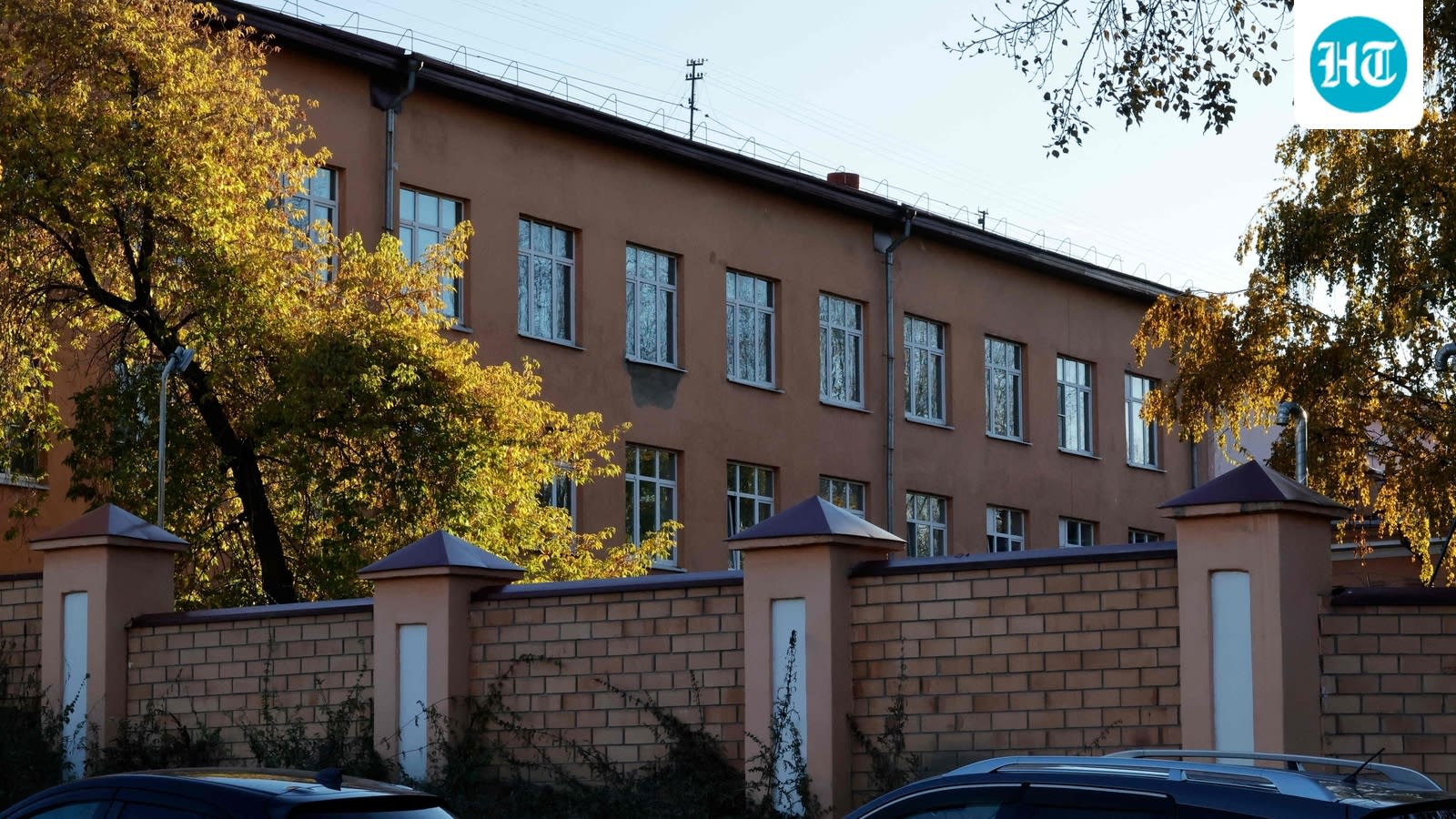
President Trump has scheduled a call with Vladimir Putin to discuss a potential pneumonic plague case at a Siberian research facility. While U.S. officials are investigating, Russian regulators have dismissed epidemic risks following laboratory tests.
Diplomatic Engagement Amidst Biological Concerns
President Donald Trump has confirmed a scheduled telephone conversation with Russian President Vladimir Putin to address a concerning incident at a Siberian research institute. The primary focus of this high-level dialogue is a reported death of an employee at an anti-plague facility, which has prompted intense scrutiny from both the U.S. intelligence community and international health authorities. The situation highlights the delicate intersection of biological security and geopolitical diplomacy, where potential public health crises necessitate immediate communication between global powers.
The Nature of the Incident
The incident centers on the death of a worker at a specialized anti-plague institute in Irkutsk. Initial reporting characterized the cause of death as pneumonia of an unknown origin, raising immediate alarms regarding the possibility of a pneumonic plague outbreak. In the context of laboratory research, such an occurrence triggers rigorous safety protocols, as institutions dealing with dangerous pathogens are mandated to maintain the highest levels of containment to prevent accidental environmental release or human-to-human transmission.
Official Responses and Intelligence Oversight
President Trump indicated that the United States is currently engaged in "very deep discussions" regarding the situation, suggesting that the U.S. intelligence community is actively monitoring developments. The administration's proactive stance reflects a broader concern for global health security, particularly when incidents involve research facilities that handle highly infectious diseases. By signaling that a report on the matter would be forthcoming, the White House has underscored the importance of transparency in international biological research reporting.
Regulatory Stance and Russian Containment
Contrasting the international concern, the Russian consumer rights regulator, Rospotrebnadzor, has officially ruled out the risk of an epidemic. The agency stated that it has provided detailed information to the World Health Organization (WHO) and confirmed that medical monitoring of individuals who had contact with the deceased worker has yielded no signs of infection. Furthermore, laboratory tests conducted by Russian authorities reportedly found no evidence of dangerous pathogens, suggesting that the facility’s containment measures remained effective.
Broader Implications for Global Health Security
This event underscores the vital necessity for robust communication channels between nations regarding biological research. The fear of a plague outbreak, given the historical lethality of the pathogen, naturally escalates diplomatic tension. However, the reliance on international bodies like the WHO to verify findings remains a cornerstone of global stability. As the U.S. and Russia continue their dialogue, the focus will likely remain on verifying the safety measures currently in place at the Irkutsk facility to ensure that no biological threat exists beyond the isolated incident.
Future Trends in Biosecurity Cooperation
Moving forward, incidents like this serve as a catalyst for tighter international standards in the management of high-risk research laboratories. The integration of transparent data sharing and independent verification is essential for maintaining global trust. As President Trump prepares for his discussion with President Putin, the outcome of these talks will serve as a bellwether for how effectively the two nations can manage shared risks related to biosecurity and public health in an increasingly interconnected world.
Multiple Citing Sources
Verification Required?