Jamia allows final-year students to clear backlogs through compartment exams
Source Entity
The Indian Express
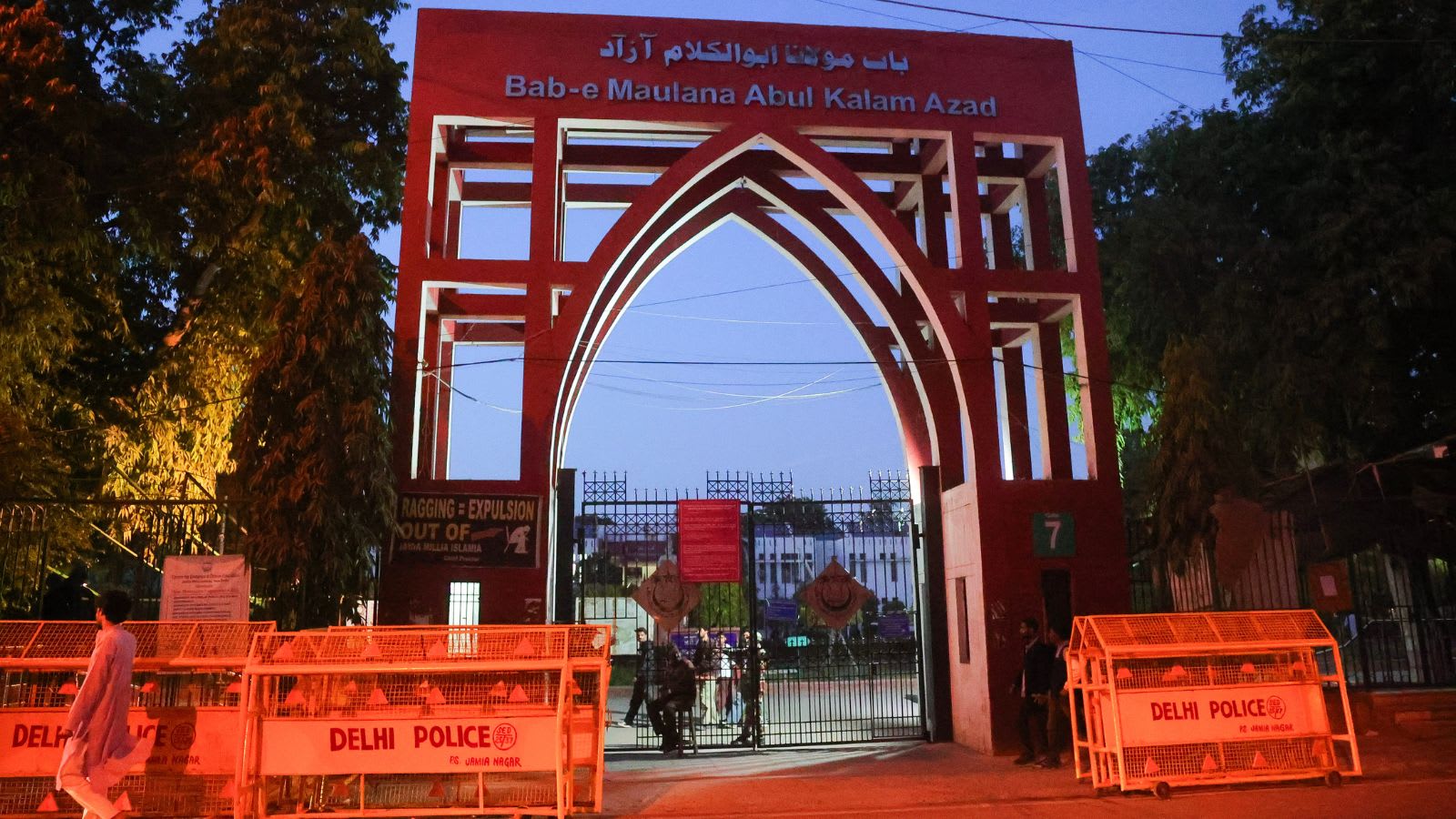
At present, JMI requires prior permission from the varsity authorities for organising a protest or a gathering (Archive) Jamia Millia Islamia has amended its examination rules to allow final-year stu...
Academic Reform at Jamia Millia Islamia
Jamia Millia Islamia (JMI), a prestigious central university, has officially amended its examination rules to provide significant relief to its graduating cohort. The core of this policy change is the introduction of compartment examinations specifically designed for final-year students to clear their existing academic backlogs. This move is aimed at streamlining the graduation process and ensuring that students are not unduly penalized by single-subject failures that could otherwise stall their academic and professional progression.
Enhancing Student Academic Progression
The primary objective of this amendment is to bolster student welfare by offering a more flexible academic pathway. In many traditional higher education frameworks, a student who fails a single subject in their final year may be required to wait an entire academic cycle before re-attempting the exam, effectively delaying their graduation by a year. By allowing compartment exams, JMI is providing a strategic safety net that enables students to rectify their academic standing in a more timely and efficient manner, thereby maintaining the momentum of their educational journey.
Critical Implications for Careers and Higher Education
The timing of this policy shift is particularly vital given the high-stakes nature of the final year. Students at this stage are often simultaneously navigating intensive recruitment drives, preparing for competitive postgraduate entrance exams, or applying for international scholarships and visas. A pending backlog can serve as a significant administrative barrier, as many employers and global institutions require completed degrees and final transcripts for verification. This decision mitigates such risks, allowing students to enter the workforce or pursue advanced studies with their credentials fully intact.
Navigating the Administrative Landscape
This development occurs within a broader context of institutional governance at Jamia Millia Islamia. The university's regulatory environment is characterized by structured oversight, as evidenced by existing protocols that require prior permission from authorities for organizing protests or gatherings. While the institution maintains strict control over campus activities and administrative order, this specific amendment regarding examination rules demonstrates a capacity for targeted, student-centric adjustments. It shows an administration capable of balancing rigorous institutional standards with the practical needs of its student population.
Alignment with Global Educational Trends
On a broader scale, JMI's decision reflects a global shift in pedagogical philosophy. Modern educational standards are increasingly moving away from rigid, punitive assessment models toward more remedial and supportive frameworks. There is a growing recognition that standardized examinations do not always capture a student's total capability, and that providing 'second chances' through structured compartment exams can improve overall retention and success rates. By adopting this approach, JMI is aligning itself with contemporary academic trends that prioritize competency and progress over strict linear progression.
Future Outlook and Institutional Impact
Looking ahead, this policy is likely to have a positive impact on the university's graduation statistics and overall student satisfaction. If the implementation is successful, it may lead to a higher rate of timely degree completions and a more seamless transition for students into professional roles. Furthermore, this move may set a precedent for other Indian universities, potentially influencing a systemic shift in how academic backlogs are handled across the country's higher education sector, moving toward more flexible and student-friendly assessment models.
Conclusion
In summary, the amendment to Jamia Millia Islamia's examination rules is a pragmatic and progressive step toward supporting the academic success of its final-year students. By facilitating the clearance of backlogs through compartment exams, the university is directly addressing the logistical and professional challenges faced by its graduating class. This policy change, while occurring within a highly regulated administrative environment, underscores a commitment to academic flexibility and student-focused governance.