Chandra’s done great job for Tata: JP Morgan’s Dimon
Source Entity
MAYUR SHETTY
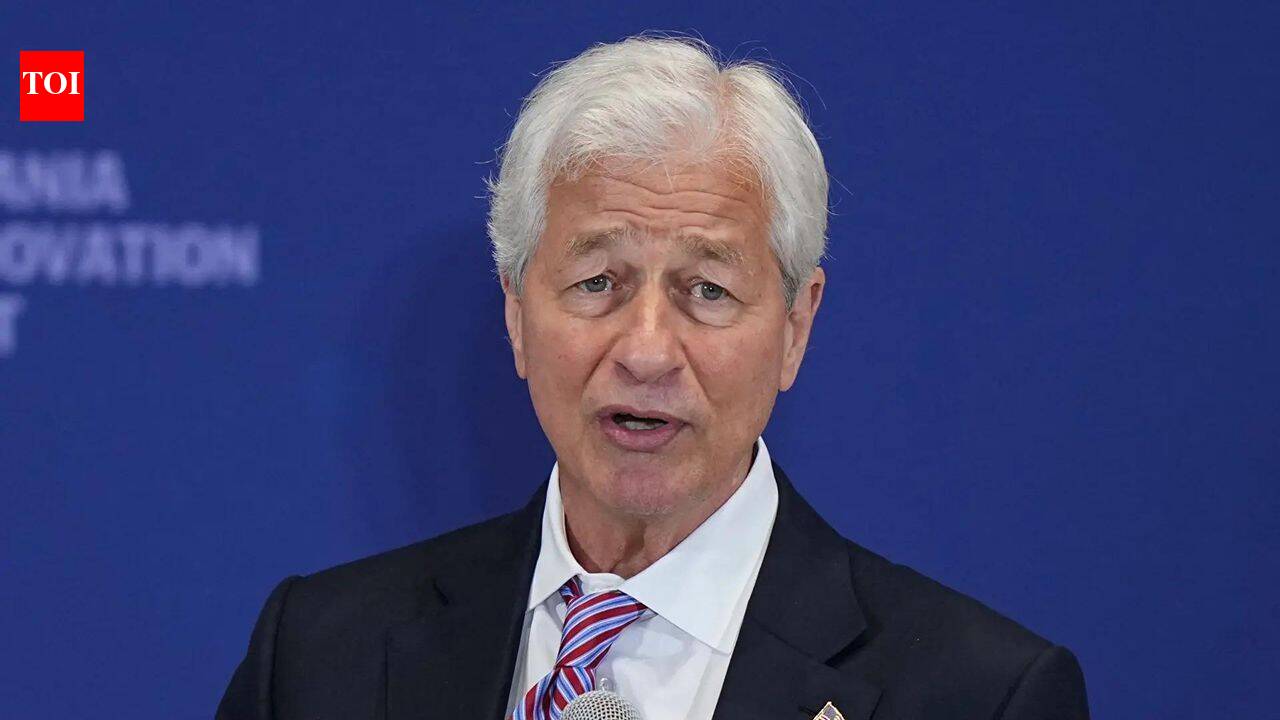
JP Morgan CEO Jamie Dimon has praised N. Chandrasekaran for his leadership at Tata Group. The discussion highlights the evolving responsibilities of CEOs beyond just financial performance.
Leadership and Legacy: Jamie Dimon on Tata’s Strategic Direction
JP Morgan chairman and CEO Jamie Dimon recently offered high praise for N. Chandrasekaran, the chairman of Tata Sons, noting that he has done a "great job" in steering the conglomerate. This endorsement comes from one of the most respected figures in global finance, signaling international confidence in the leadership trajectory of India’s largest business group. Dimon’s comments serve as a testament to the effectiveness of Chandrasekaran's tenure, which has focused on streamlining operations, fostering digital transformation, and navigating the complexities of a diverse, multi-sector portfolio.
The Evolving Role of the Modern CEO
In the context of his own two-decade tenure at the helm of JP Morgan, Dimon reflected on the shifting expectations placed upon corporate leaders. Traditionally, the primary metric for success was defined by shareholder returns and customer satisfaction. However, the modern corporate landscape demands a more holistic approach. As corporations grow in scale and influence, stakeholders are increasingly looking for leaders who can balance fiduciary responsibilities with broader socio-economic contributions, a philosophy that has become central to the discourse on modern corporate governance.
Institutional Responsibility and Social Impact
Dimon’s discussion touched upon the broader role of large institutions in societal development. Citing his own initiatives to help redevelop Detroit as an example, he argued that major financial entities have a unique capacity—and perhaps an obligation—to contribute to the communities they serve. This perspective challenges the traditional view that banking institutions should remain strictly within their financial lane. Instead, it suggests a model where institutions leverage their capital and operational expertise to drive urban renewal and social upliftment.
The Tata Model: Ownership and Purpose
A significant portion of the dialogue focused on the unique structure of conglomerates like the Tata Group. Unlike traditional public corporations, the Tata structure—largely owned by charitable trusts—provides a distinct framework for long-term decision-making. This alignment allows the group to prioritize stability and social welfare alongside commercial profit, a model that Dimon acknowledges as effective for enduring, multi-generational business houses. By decoupling short-term market pressures from long-term institutional goals, the Tata Group maintains a unique competitive edge.
Future Trends in Corporate Governance
Looking ahead, the synergy between profit-driven strategies and social responsibility is likely to define the next generation of corporate leadership in India and Europe. As global markets become increasingly integrated, the pressure on CEOs to articulate a vision that transcends quarterly earnings will only intensify. The success of leaders like Chandrasekaran, who navigate these complex waters with a focus on both commercial growth and institutional integrity, will likely serve as a blueprint for other emerging global conglomerates. This shift indicates that the measure of a successful CEO will increasingly be tied to their ability to integrate societal value into the core of their business model.