University panel flags poor facilities at Jamnalal Bajaj Institute
Source Entity
Latest News: Todays Latest News Headlines from India & World | Hindustan Times | Hindustan Times
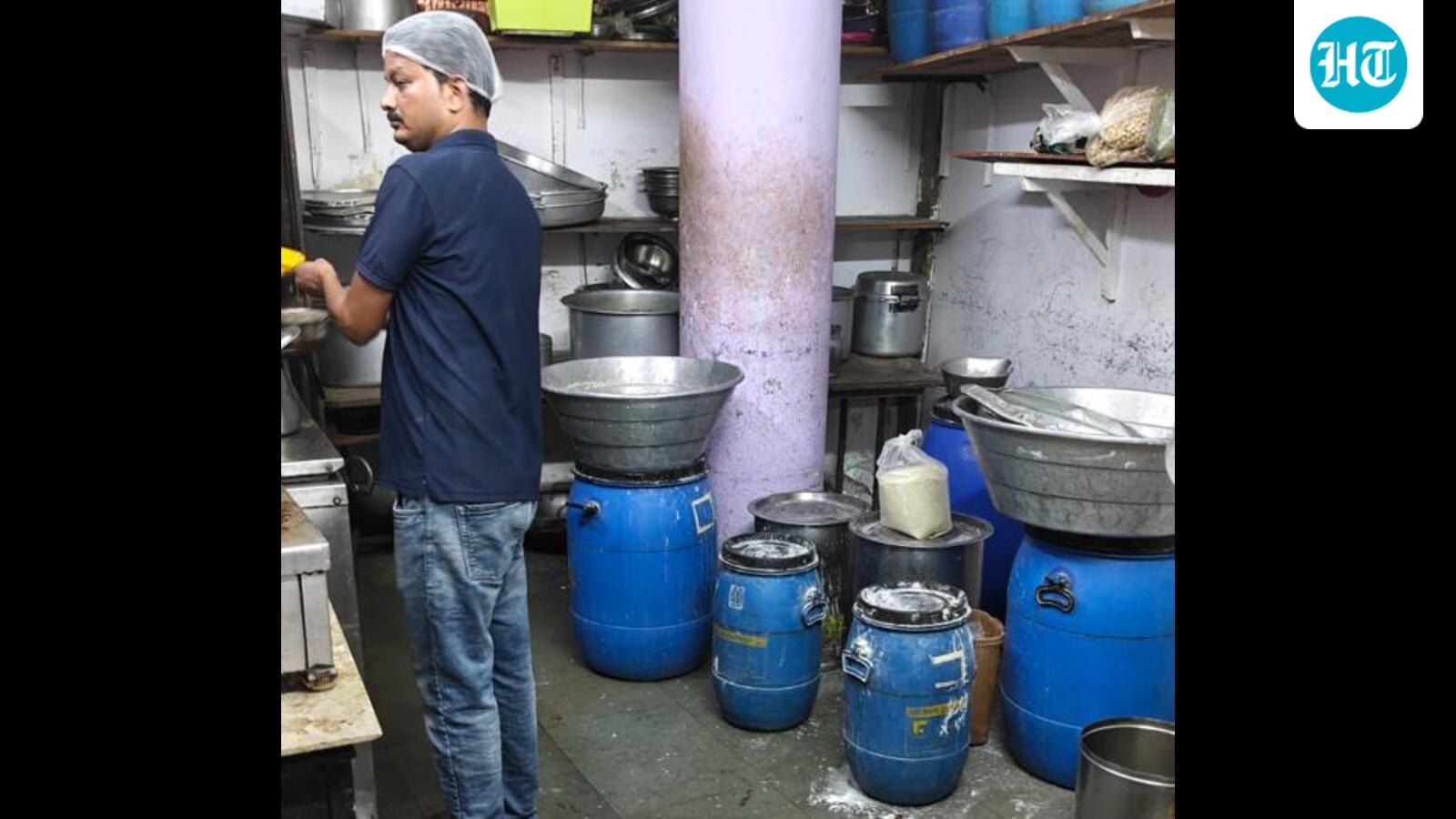
A recent inspection of the Jamnalal Bajaj Institute of Management Studies (JBIMS) has revealed severe maintenance failures. Senate members documented unhygienic conditions, including filthy restrooms and improper waste management, raising concerns about the institution's infrastructure.
Infrastructure Crisis at JBIMS: A Critical Inspection Report
Recent inspections conducted by University of Mumbai Senate members Pradeep Sawant, Alpesh Yadav, and former member Rajan Kolambekar have cast a spotlight on the deteriorating state of the Jamnalal Bajaj Institute of Management Studies (JBIMS). Long considered one of India’s premier management institutions, the institute is now facing scrutiny not for its academic output, but for the fundamental failure of its physical infrastructure. The findings, documented through photographic evidence, depict a facility struggling with basic sanitation and upkeep, raising urgent questions regarding administrative oversight.
The Severity of Sanitation Neglect
The details provided by the inspection panel describe a scene of profound neglect that is incompatible with the standards expected of an elite educational institution. The presence of garbage, foul-smelling drainage water, and poorly maintained canteen facilities suggests a systemic breakdown in campus maintenance protocols. Perhaps most alarming is the discovery of a bird’s nest containing eggs inside a campus toilet, paired with significant accumulations of bird droppings and dirt. This level of environmental decay indicates that these areas have been effectively abandoned by cleaning staff for an extended period, creating health hazards for the student body and faculty.
Impact on Academic Environment
Educational institutions rely on a conducive environment to foster professional growth and learning. When students are forced to avoid campus restrooms due to unhygienic conditions, the psychological and physical toll is non-negligible. The report highlights that these facilities are currently deemed "unfit for use," which disrupts the daily lives of students at JBIMS. Such conditions can significantly degrade the institutional reputation and undermine the morale of high-achieving students who expect a standard of living commensurate with the institute's prestigious status.
Institutional Accountability and Oversight
This inspection serves as a critical check on the administration of JBIMS and its affiliation with the University of Mumbai. The fact that Senate members had to intervene to document these conditions suggests a failure in the internal reporting or management systems that should have addressed these issues long before they reached a breaking point. The transition from a top-tier management school to one struggling with basic sanitation points toward a broader issue of budgetary allocation or administrative apathy regarding campus facilities.
Future Implications and Necessary Reforms
The immediate aftermath of these findings necessitates a rapid response from the institute's governing board. To restore confidence, JBIMS must move beyond superficial fixes and implement a sustainable facility management plan. This should include regular sanitation audits, improved waste disposal systems, and a complete overhaul of the current maintenance schedule. Failure to address these concerns risks long-term damage to the institute's brand, potentially impacting future placements and the ability to attract top-tier faculty and student talent.
Conclusion
In conclusion, the inspection of JBIMS reveals a jarring disconnect between the institute's academic prestige and its physical reality. The evidence provided by the Senate members serves as a clarion call for immediate intervention. By prioritizing basic hygiene and infrastructure maintenance, the administration can begin the necessary process of rehabilitating the campus environment, ensuring that the facility once again reflects the excellence associated with the Jamnalal Bajaj name.
Verification Required?