Saudi-Led Coalition Says Houthis Attacked Riyadh Airport 20 Times This Month
Source Entity
NDTV News Search Records Found 1000
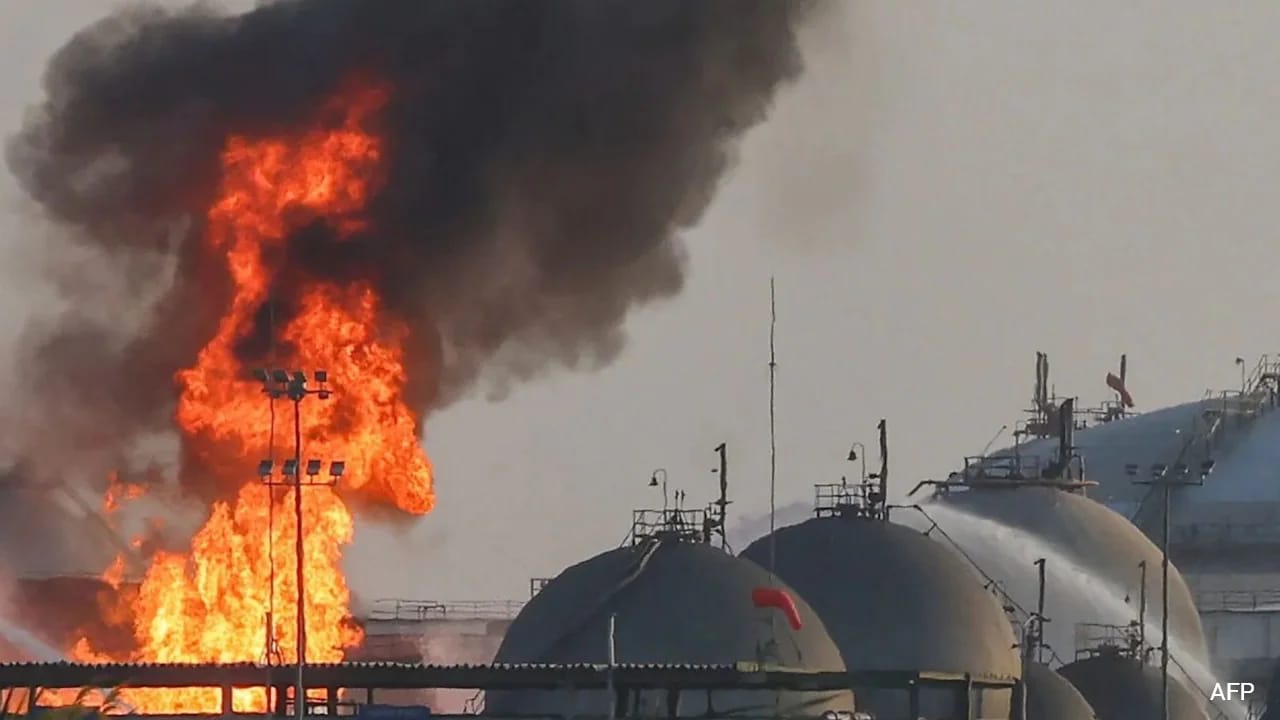
The Saudi-led coalition reports that Houthi rebels have launched 20 attacks on Riyadh airport this month. Houthi spokespeople have subsequently declared Saudi airspace and airports unsafe for transit.
Escalating Aerial Hostilities in the Saudi-Houthi Conflict
The recent announcement by the Saudi-led coalition regarding a surge in Houthi-led aerial assaults on Riyadh’s international airport marks a significant escalation in the long-standing regional conflict. With reports indicating 20 separate attacks within a single month, the frequency of these incursions highlights a shift in tactical pressure from the Houthi movement toward the Saudi Arabian capital. This development signals a deliberate attempt to compromise the logistical and economic stability of the Kingdom by targeting critical infrastructure that serves as a gateway for international travel and commerce.
The Strategic Intent Behind Airport Targeting
By focusing their military capabilities on Riyadh’s airport, the Houthi forces are effectively attempting to weaponize civilian infrastructure to exert psychological and political pressure. The declaration by the Houthi military spokesperson that Saudi airspace and airports are now 'unsafe' is a calculated move to disrupt the aviation industry and deter international stakeholders. This rhetoric serves to undermine Saudi Arabia's perception of regional security, projecting a narrative that the Kingdom is vulnerable despite its advanced defense systems.
Broader Regional Implications
The persistent nature of these attacks underscores the ongoing instability in the Arabian Peninsula and the failure of diplomatic efforts to secure a durable ceasefire. The conflict, which has been characterized by cross-border strikes and retaliatory air campaigns, continues to pose a threat to regional peace. For the international community, the targeting of a major capital city’s airport presents significant concerns regarding the safety of global supply chains and the potential for a wider regional conflagration if tensions are not tempered.
Historical Context of the Conflict
Historically, the Houthi movement has utilized projectile and drone warfare to challenge the coalition forces throughout the conflict. The transition toward high-frequency attacks on Riyadh represents a departure from earlier, more sporadic engagements. This pattern suggests that the Houthi militants have either successfully enhanced their technical capabilities or are operating under a renewed strategic imperative to demonstrate their reach deep into Saudi territory.
Future Trends and Security Outlook
Moving forward, the primary challenge for the Saudi-led coalition will be the continued neutralization of these aerial threats while maintaining the operational capacity of their civilian hubs. If the current trend of 20 attacks per month continues, it will likely lead to increased insurance premiums for airlines, stricter security protocols, and further diplomatic strain between regional powers. The international community will likely watch these developments closely, as the safety of civil aviation remains a paramount concern for global security protocols.
Conclusion
In summary, the recent spike in Houthi attacks on Riyadh airport is a critical development that challenges the status quo of the regional conflict. By declaring the airspace unsafe, the Houthi movement has significantly raised the stakes, shifting the battleground into the heart of the Saudi capital. Resolving this cycle of violence will require more than defensive measures; it necessitates a comprehensive approach to regional stability and a renewed commitment to de-escalation by all involved parties.
Verification Required?