Janmashtami 2026: Where to meet Govinda, from AI Krishna leela and bhajan clubbing to handi breaking and melas in Delhi
Source Entity
Latest News: Todays Latest News Headlines from India & World | Hindustan Times | Hindustan Times
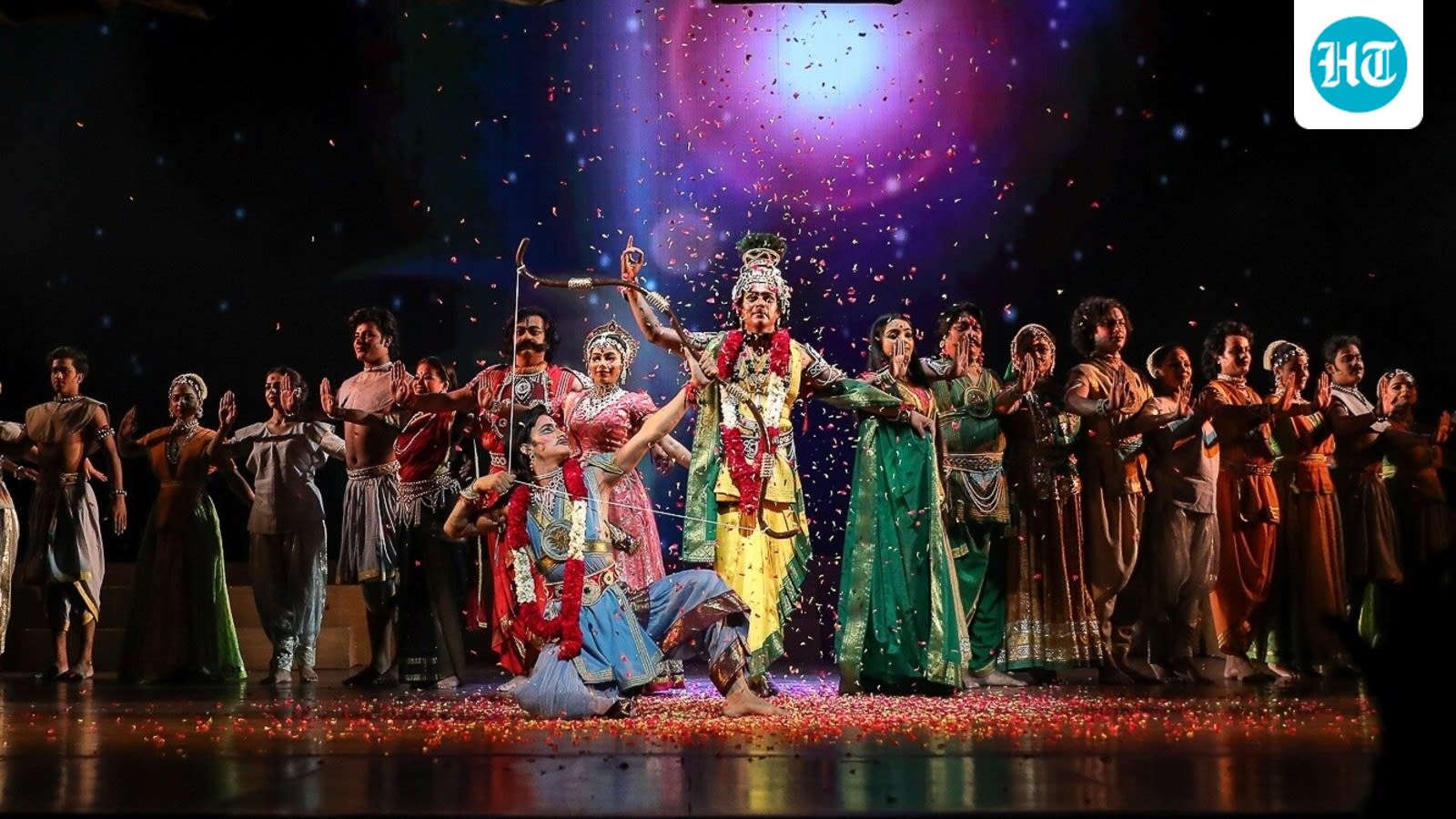
Janmashtami 2026, falling on September 4, is being celebrated with a blend of traditional rituals and modern technology in Delhi-NCR. Spiritual leader Sri Sri Ravi Shankar emphasizes the festival as a reflection of 'Ananda' or pure bliss, encouraging a deeper internal connection to Krishna's teachings.
The Dual Essence of Janmashtami 2026
Janmashtami, the annual celebration of Lord Krishna’s birth, is set to be observed on September 4, 2026. While the festival is traditionally marked by midnight prayers, temple visits, and the recounting of Krishna's childhood stories, this year’s observances are characterized by a unique intersection of ancient spiritual philosophy and modern cultural expression.
Spiritual Perspectives: Krishna as Ananda
Spiritual teacher Sri Sri Ravi Shankar has provided a profound lens through which to view the festival. By defining Krishna as 'Ananda,' or bliss, he shifts the focus from mere ritualistic observation to an internal state of being. According to his teachings via the Art of Living, Krishna symbolizes a natural state of happiness, love, and joy that resides within every individual. This perspective invites practitioners to move beyond the historical commemoration of the birth and instead reflect on what the embodiment of Krishna means for their personal spiritual journey.
Festive Landscapes: Delhi-NCR’s Elaborate Preparations
As the date approaches, the Delhi-NCR region is transforming into a vibrant hub of activity, metaphorically turning into 'Nandgaon.' The celebrations are set to be expansive, catering to a diverse demographic. From traditional matki-phod (handi-breaking) events and intense midnight aartis to larger-than-life jhankis (tableaus), the city is preparing to honor Krishna’s life through community engagement and cultural display.
The Technological Integration of Tradition
One of the most notable trends for Janmashtami 2026 is the adoption of modern technology to bridge the gap between ancient narratives and contemporary audiences. The inclusion of AI-driven 'Krishna leelas' and Virtual Reality (VR) experiences alongside classic dance dramas at institutions like the Shri Ram Bharatiya Kala Kendra highlights how cultural heritage is evolving. These digital tools allow devotees to experience the stories of Kanha in immersive ways that were previously unimaginable.
Community and Cultural Convergence
Beyond the spiritual and technological aspects, the festival remains a cornerstone of community bonding. The range of activities—from 'bhajan clubbing' to festive carnivals and rides—ensures that the celebration remains accessible and engaging for all age groups. These gatherings serve as a reminder that the essence of Janmashtami is not only found in solitary prayer but also in the collective joy shared by a community coming together to celebrate a shared cultural icon.
Conclusion: A Synthesis of Faith and Modernity
Janmashtami 2026 represents a modern evolution of an ancient tradition. By balancing the philosophical teachings of figures like Sri Sri Ravi Shankar, which emphasize internal bliss, with the external, high-energy celebrations found in urban centers like Delhi, the festival continues to remain relevant. It successfully bridges the gap between the internal quest for 'Ananda' and the external expression of communal harmony, ensuring that the legacy of Krishna continues to resonate in the modern age.
Verification Required?