Ramlila Maidan: The ground where protests dealt blows to Congress, twice
Source Entity
RAJEEV SINGH
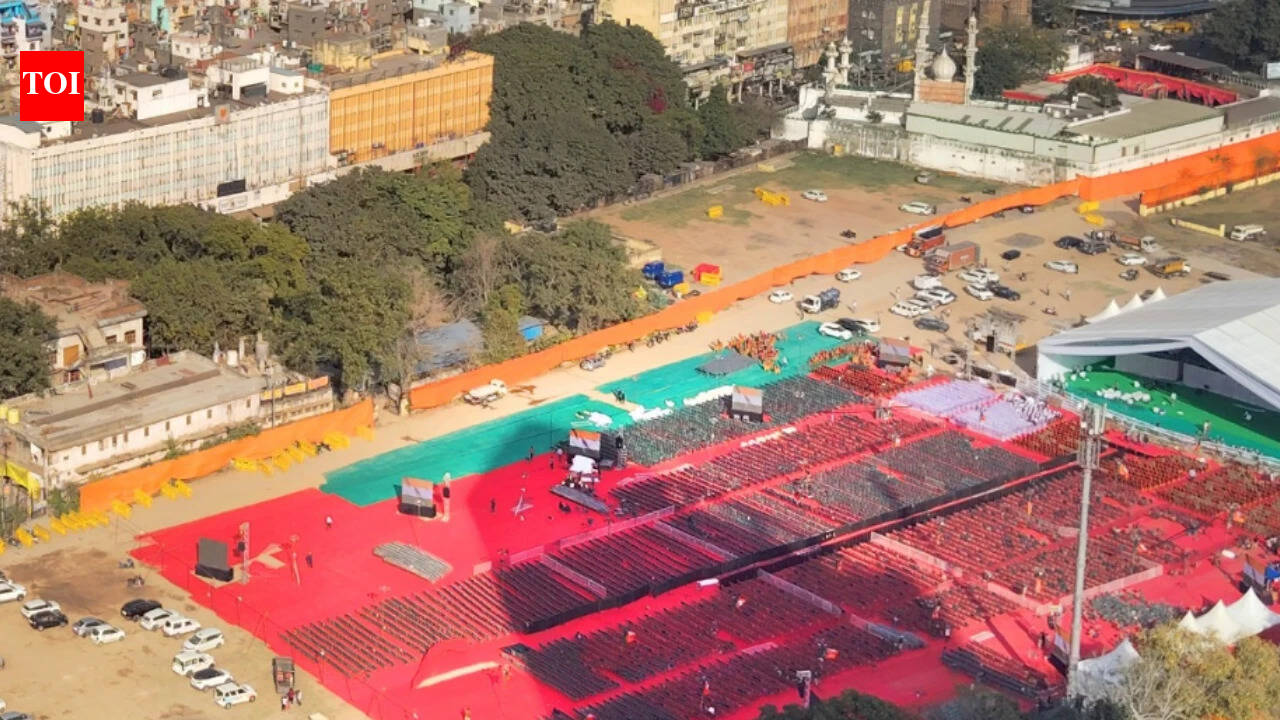
The Delhi government has officially de-notified Jantar Mantar as a designated protest site, replacing it with three new locations. The Delhi High Court is currently reviewing legal challenges regarding this transition and reports of protester harassment.
The Shift in Delhi’s Protest Landscape
In a significant administrative move, the Ministry of Home Affairs (MHA) has officially de-notified Jantar Mantar as a designated site for protests and demonstrations in New Delhi. This decision, announced by Delhi Police Commissioner Anurag Kumar on October 12, 2026, marks the end of an era for a location that has historically served as the epicenter of dissent and public expression in the capital. The government has instead designated three new venues—Ramlila Ground, Burari Ground, and the CBD Ground—to facilitate the public's right to assemble.
Administrative Rationale and Committee Oversight
The decision to relocate these activities stems from a committee constituted by the MHA, tasked with identifying "suitable alternative venues." The transition aims to balance the constitutional right to protest with urban management concerns. By moving demonstrations to Ramlila, Burari, and the CBD grounds, authorities are attempting to decentralize mass gatherings, likely in response to the logistical and security challenges that have long been associated with the high-density Jantar Mantar area.
Legal Challenges and Court Intervention
The transition has immediately triggered legal scrutiny. On October 12, 2026, a petition was brought before the Delhi High Court by counsel arguing that the closure of Jantar Mantar suppresses peaceful dissent, particularly because no viable, centralized alternative was immediately functional or accessible. The Bench, led by Acting Chief Justice Nitin Wasudeo Sambre and Justice Sanjay Sharma, acknowledged the urgency but deferred the hearing to October 13, 2026, noting that the Supreme Court is already seized of related matters regarding protest site designations.
Allegations of Harassment and Security Concerns
Beyond the debate over site geography, the court is also set to address a petition regarding the safety of protesters. Reports have emerged alleging that "outsiders" infiltrated recent protests at the site, leading to the harassment of demonstrators. This development adds a layer of security complexity to the transition, as the court must now weigh the government's regulatory authority against the fundamental necessity of providing a safe environment for citizens to exercise their democratic rights.
Historical Context and Future Implications
Jantar Mantar has long been synonymous with civil society movements in India, providing a visible platform for activists to engage with the central government. The removal of this status reflects a broader trend of tightening urban regulations in the capital. As the legal proceedings unfold, the focus will remain on whether the three new designated grounds can provide the same level of visibility and accessibility required for effective advocacy. The outcome of the upcoming High Court sessions will set a critical precedent for how Delhi manages public dissent in the future.
Multiple Citing Sources