SP claims duplicate voters in 100 UP seats, seeks statewide purge
Source Entity
Latest News: Todays Latest News Headlines from India & World | Hindustan Times | Hindustan Times
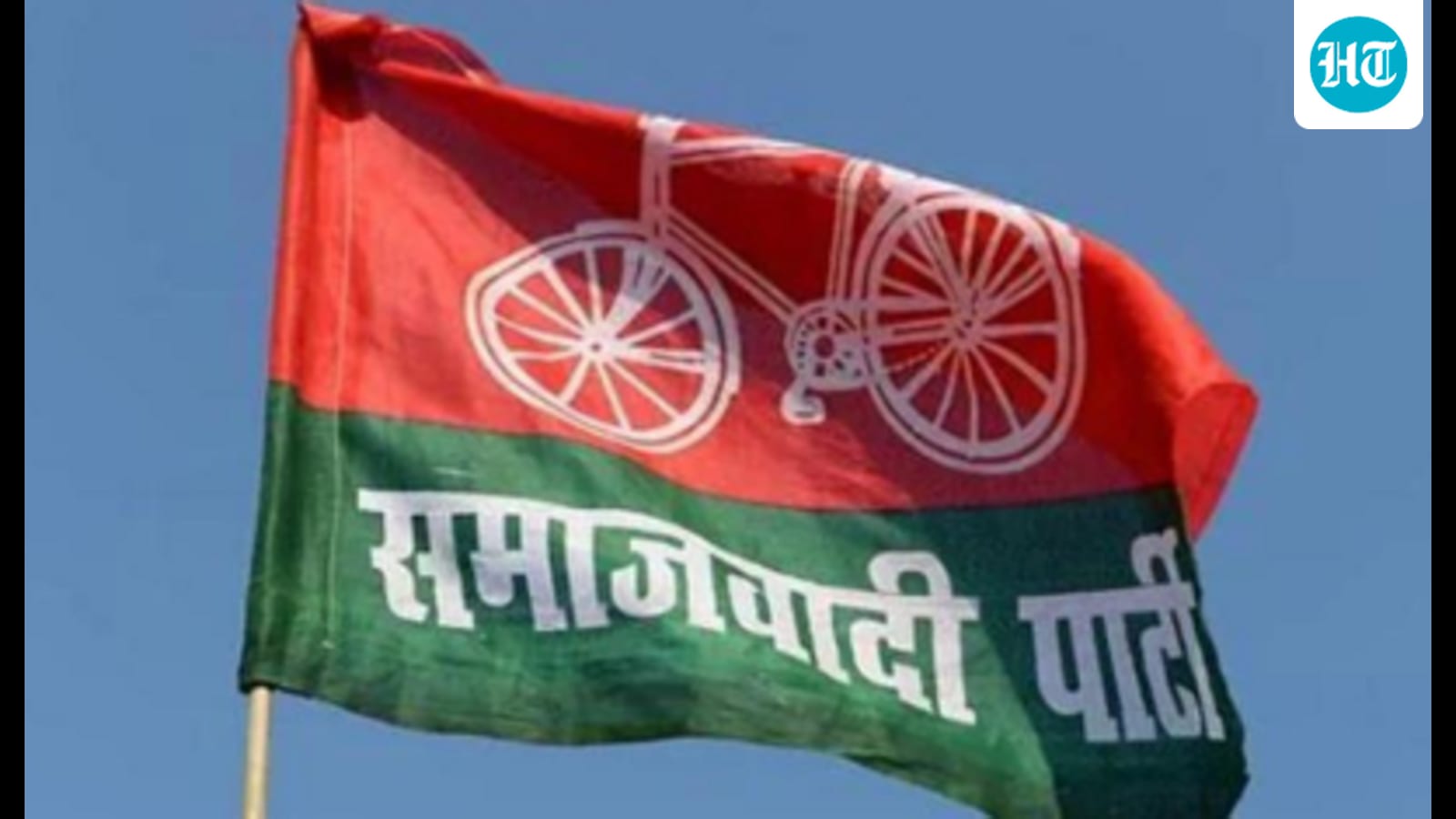
Samajwadi Party chief Akhilesh Yadav has accused the Election Commission and bureaucracy of bias toward the BJP, alleging widespread voter list manipulation. The party is calling for a statewide purge of duplicate entries across Uttar Pradesh's 403 assembly segments ahead of the 2027 polls.
Allegations of Electoral Roll Irregularities in Uttar Pradesh
Samajwadi Party (SP) president Akhilesh Yadav has leveled serious accusations against the Election Commission of India (ECI) and the state bureaucracy, claiming they are operating under the influence of the ruling Bharatiya Janata Party (BJP). During a commemorative event for socialist leader Ram Manohar Lohia, Yadav asserted that the democratic foundations of the country are under threat due to the alleged manipulation of constitutional institutions to favor the ruling party’s political agenda.
The Claim: Widespread Voter Duplication
The core of the SP’s grievance lies in the integrity of the electoral rolls. The party alleges that a verification exercise conducted across 100 assembly constituencies in Uttar Pradesh uncovered a significant number of duplicate voter entries. According to Yadav, some individuals have been registered multiple times, with instances of single voters appearing in the rolls three, four, five, or even ten times. The party characterizes this as a systemic attempt to compromise the fairness of the electoral process.
Formal Demands for Electoral Reform
In response to these findings, the Samajwadi Party has submitted a formal memorandum to the Chief Electoral Officer (CEO) of Uttar Pradesh. The party is demanding a comprehensive, statewide scrutiny of the electoral rolls covering all 403 assembly segments. The objective is to purge all duplicate names to ensure that the upcoming 2027 assembly elections are conducted without the suspicion of manipulation or institutional bias.
Broader Implications for Constitutional Institutions
Akhilesh Yadav’s rhetoric extends beyond mere administrative errors, framing the issue as a constitutional crisis. By questioning the neutrality of the bureaucracy and the Election Commission, the SP is signaling a strategy to challenge the BJP’s electoral machinery well in advance of the next state polls. This discourse suggests that the opposition intends to make the transparency of the ECI a central pillar of their political campaign, aiming to mobilize voters by framing the election as a battle for the preservation of democratic norms.
Future Trends and Political Fallout
As the state moves toward the 2027 assembly elections, the scrutiny of voter databases is likely to intensify. The demand for a 'clean' voter list is a common tactical move for opposition parties to preemptively address potential vote-bank discrepancies. Whether these allegations lead to concrete procedural changes or remain a point of political contention will depend on how the ECI addresses the SP’s memorandum and whether they provide a transparent audit of the rolls in the identified constituencies.
Conclusion
The tension between the Samajwadi Party and the current administration highlights the growing importance of electoral roll integrity in Indian politics. With the SP focusing on institutional oversight, the upcoming electoral cycle in Uttar Pradesh will likely be defined by a heightened emphasis on administrative transparency and the accountability of the bodies responsible for maintaining the sanctity of the vote.
Verification Required?