CJI: ‘Child in conflict with law’ describes circumstance, not identity
Source Entity
India Latest News: Top National Headlines Today & Breaking News | The Hindu
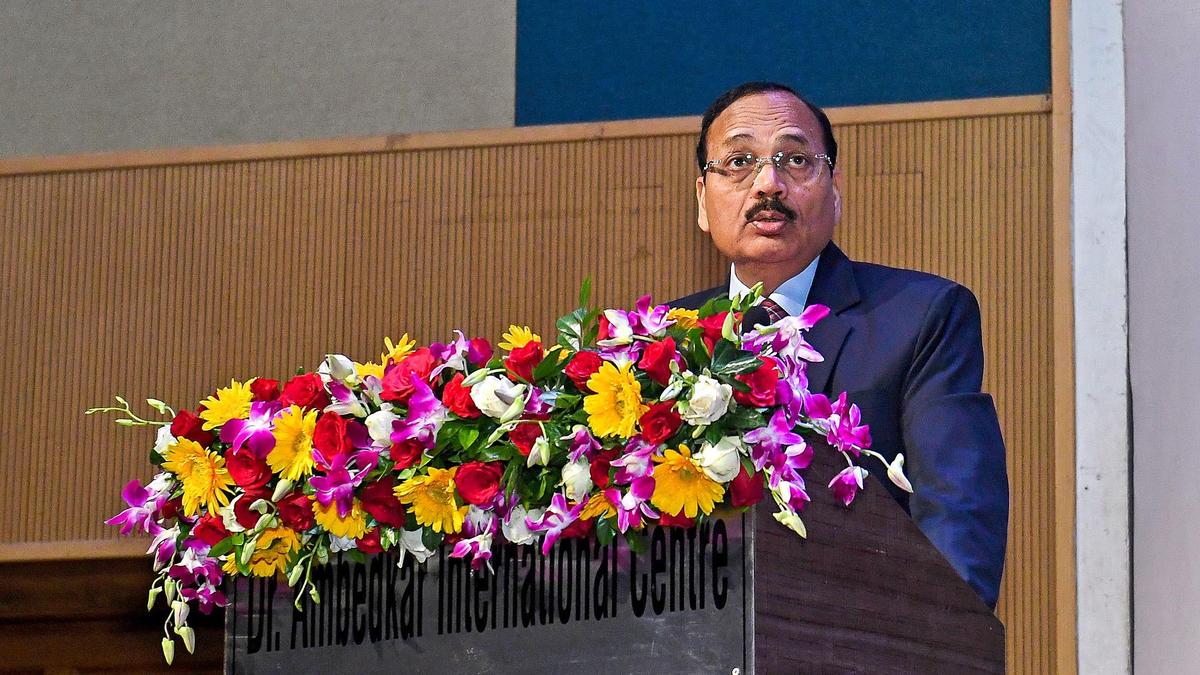
Congress leaders Mallikarjun Kharge and Rahul Gandhi's attempt to meet the Chief Justice of India regarding electoral integrity allegations was officially declined. The CJI cited the separation of powers and the sub judice nature of the issues as primary reasons for the refusal.
The Constitutional Standoff: Congress-CJI Interaction
In a development that highlights the intensifying friction between India’s primary opposition bloc and the judiciary, Congress President Mallikarjun Kharge and Leader of the Opposition Rahul Gandhi recently sought a formal meeting with Chief Justice of India (CJI) Surya Kant. The core of their request centered on allegations of 'vote chori' (electoral theft) and concerns regarding the autonomy of constitutional institutions, specifically the Election Commission of India. By framing the current political climate as an 'undeclared Emergency,' the Congress leadership aimed to elevate their grievances to the highest judicial authority in the land.
The Legal and Institutional Rationale for Refusal
The request for a meeting, scheduled for October 12, 2026, was ultimately declined by the CJI’s office. According to reports, the decision was communicated via an official email sent to Rahul Gandhi. The refusal was grounded in fundamental constitutional principles. Sources within the judiciary indicated that the CJI cited the doctrine of separation of powers, noting that the judiciary cannot intervene in the administrative or executive functions of the state. Furthermore, the sensitive nature of the allegations likely involves matters already sub judice, rendering a direct meeting with political leaders inappropriate for the head of the judiciary.
The Broader Context of Electoral Integrity
This incident is not an isolated event but rather a manifestation of the ongoing debate surrounding electoral transparency and the independence of the Election Commission. The Congress party’s rhetoric, which includes accusations of new legislation facilitating malpractice, reflects a broader skepticism from the INDIA bloc regarding the current electoral process. By seeking an audience with the CJI, the opposition was attempting to bypass traditional legislative channels to address what they perceive as a systemic threat to democratic integrity.
Historical Precedents and Judicial Restraint
Historically, the Indian judiciary has maintained a delicate balance between its role as a watchdog and its duty to avoid political entanglement. By declining the meeting, CJI Surya Kant has reinforced the judiciary's commitment to judicial restraint. Engaging with political parties on matters that are essentially subject to ongoing litigation or administrative policy would risk compromising the perceived neutrality of the Supreme Court. This move underscores the judiciary's insistence on adhering to established legal protocols rather than engaging in ad-hoc consultations with political stakeholders.
Future Implications for Indian Democracy
The rejection of this meeting signifies a critical juncture for both the judiciary and the opposition. For the opposition, the challenge now lies in finding alternative mechanisms to voice their concerns without appearing to pressure the judiciary. For the Supreme Court, the decision underscores the difficulty of navigating a highly polarized political environment while maintaining the sanctity of the separation of powers. As the nation moves forward, the relationship between constitutional bodies and political entities will remain under intense scrutiny, with both sides likely to continue leveraging legal and public forums to advance their respective narratives regarding the health of India's democratic institutions.
Multiple Citing Sources
Verification Required?