In ten months, Japan invested Rs 1 lakh cr out of Rs 7 lakh cr targeted for 10 yrs: Goyal
Source Entity
Sandeep Singh, Ravi Dutta Mishra
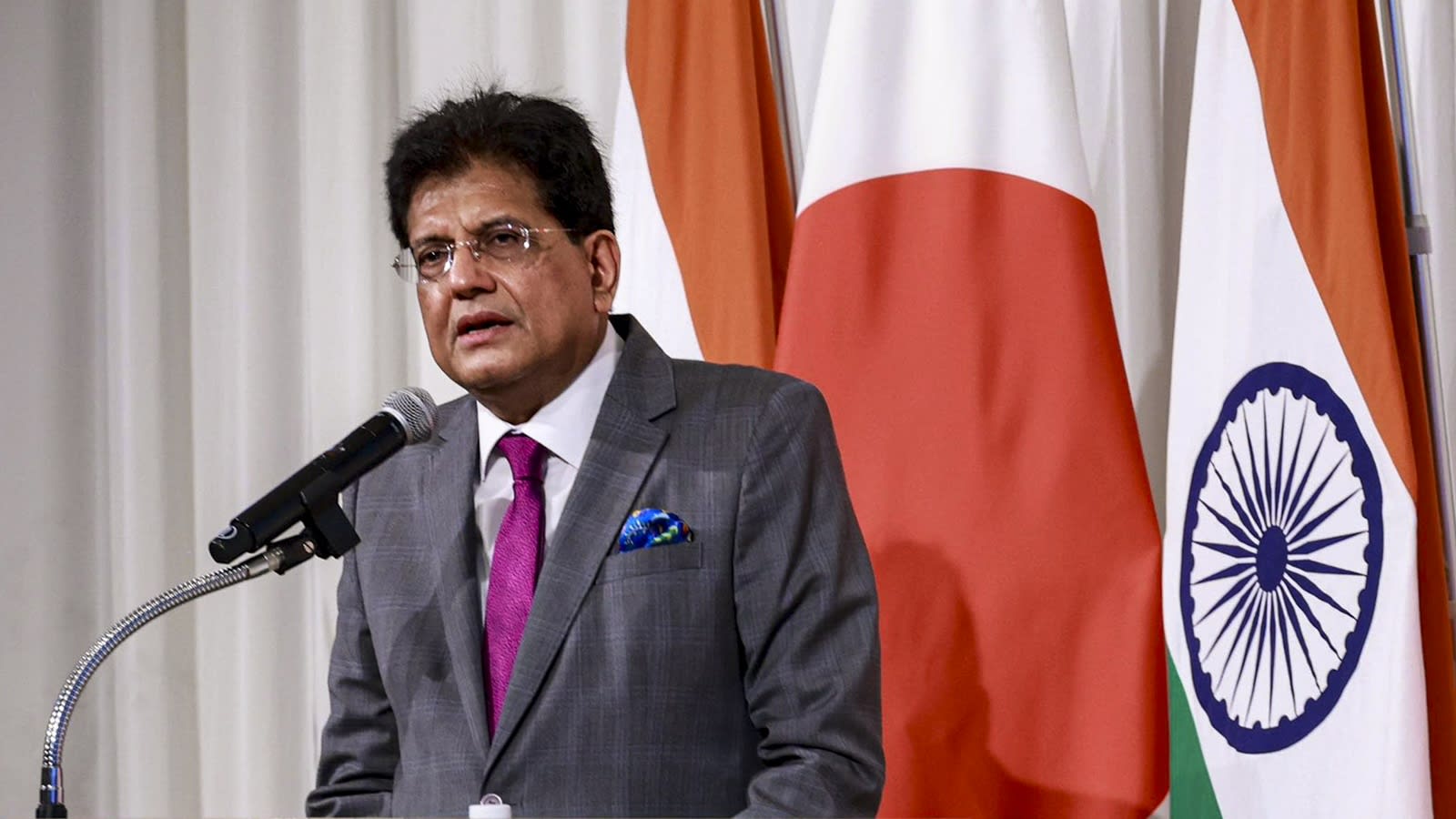
Union Minister Piyush Goyal announced that Japan has already invested Rs 1 lakh crore in India, hitting one-seventh of its 10-year, Rs 7 lakh crore commitment within just ten months. This progress highlights the deepening strategic economic partnership between the two nations as they prepare to review existing trade agreements.
Strengthening the India-Japan Economic Corridor
Union Commerce and Industry Minister Piyush Goyal’s recent address at the 'India-Japan Next Generation Economic Partnership' event in Nagoya marks a significant milestone in the bilateral relationship between the two nations. The announcement that Japan has already funneled Rs 1 lakh crore into India within a ten-month span—against a broader ten-year target of Rs 7 lakh crore—signals a robust acceleration in capital flows. This investment velocity suggests that Japanese investors are increasingly viewing India as a primary destination for long-term capital deployment.
Strategic Alignment and Investment Velocity
The commitment of 10 trillion yen (approximately Rs 7 lakh crore) over a decade serves as a cornerstone of the modern India-Japan economic framework. By achieving nearly 14% of this ambitious target in less than one year, the partnership is demonstrating resilience and efficiency. This rapid deployment of capital is essential for India’s infrastructure development and industrial modernization, sectors where Japanese technological prowess and financial backing have historically played a pivotal role.
Addressing Trade Imbalances
Despite the positive investment trajectory, the economic relationship is not without its complexities. Minister Goyal noted that both nations are currently preparing to review their 2011 trade agreements. This review is critical, as New Delhi has expressed concerns regarding the widening trade deficit with Tokyo. Balancing the influx of investment with a more equitable trade flow will be central to the upcoming negotiations, ensuring that the partnership remains mutually beneficial rather than skewed toward one party.
The Role of 'Next Generation' Partnerships
The event in Nagoya, specifically focused on the Chubu region, highlights a strategic push to decentralize and deepen business engagements beyond traditional diplomatic centers. By targeting specific industrial hubs, both nations are fostering a 'next generation' economic partnership that emphasizes technology transfers, supply chain integration, and sustainable development. This localized approach allows for more granular cooperation between Indian industrial players and Japanese manufacturing giants.
Future Outlook and Economic Integration
Looking ahead, the success of this investment inflow will likely serve as a blueprint for future bilateral economic cooperation. If the current pace of investment continues, it could potentially lead to an upward revision of these long-term targets. As India continues to position itself as a global manufacturing hub, the alignment with Japanese capital will be fundamental in bridging the gap between national industrial goals and foreign direct investment requirements. The upcoming trade review will ultimately determine the long-term sustainability of this growth, balancing immediate capital needs with the necessity of a healthy, balanced trade ecosystem.