Japan second-quarter GDP grows 1.1% on an annualized basis, missing expectations
Source Entity
US Top News and Analysis
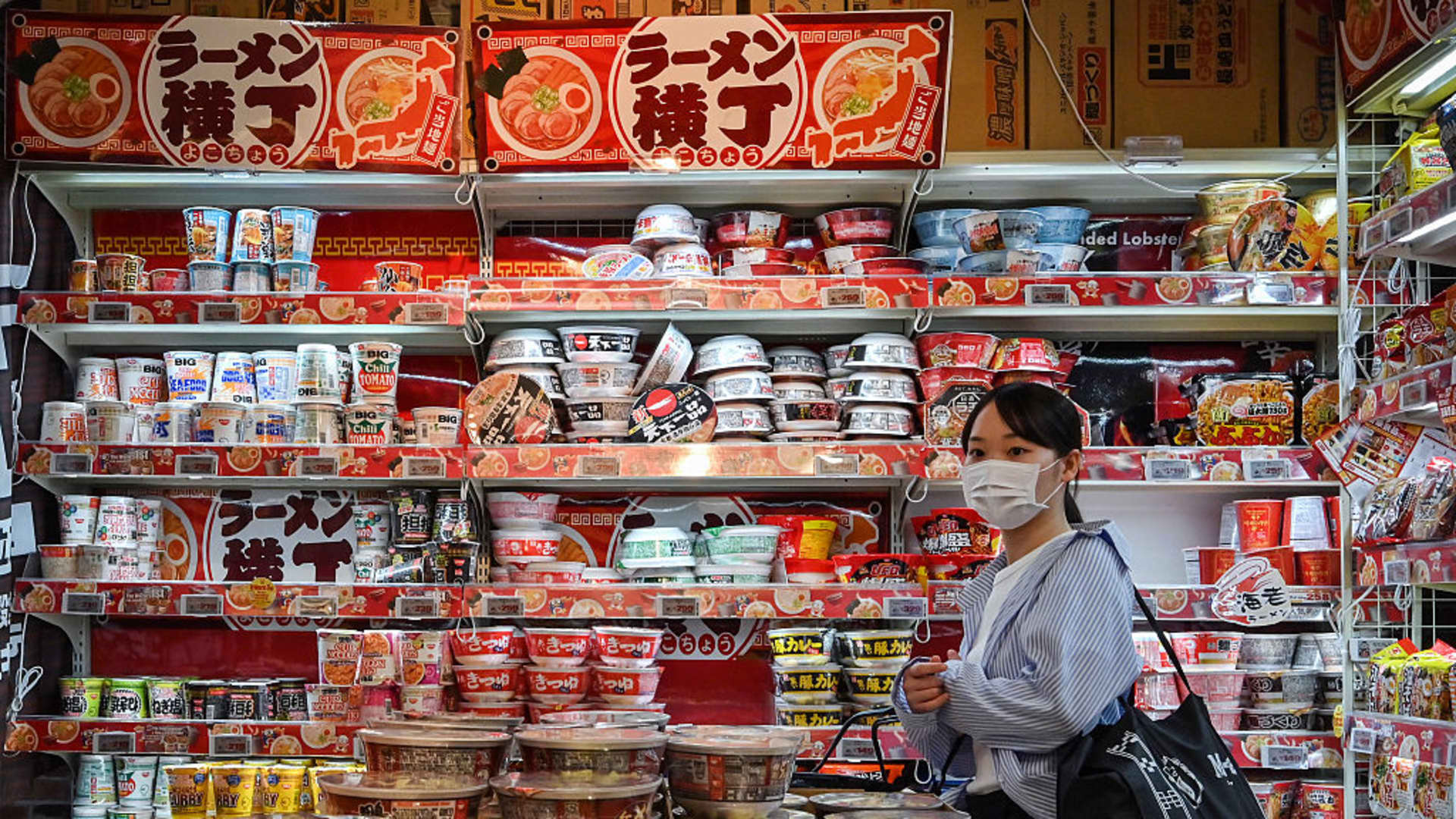
Japan's economy grew by 1.1% in the second quarter, falling short of the expected 2% growth. While strong exports bolstered the figures, domestic demand remained soft amid rising energy costs linked to the ongoing Iran war.
Japan's Economic Performance: A Q2 Growth Disappointment
Japan’s economic trajectory faced a significant hurdle in the second quarter of 2025, as the nation reported an annualized growth rate of 1.1%. This figure notably undershot market expectations, which had projected a more robust expansion of 2%. This performance represents a deceleration from the 2.1% growth recorded in the preceding quarter, signaling a cooling trend that has caught the attention of regional analysts and global investors alike.
The Tug-of-War Between Exports and Domestic Demand
The narrative of Japan's economic health in this period is defined by a dichotomy between external strength and internal fragility. Exports acted as the primary engine of growth, with shipment volumes consistently outperforming expectations throughout all three months of the quarter. This resilience in the export sector suggests that Japanese goods remain competitive on the global stage, providing a necessary buffer against the broader economic headwinds that the country is currently facing.
The Impact of Geopolitical Instability
A critical factor in the suppressed growth figures is the unfolding impact of the Iran war. This quarter marks the first full period where the conflict's economic consequences have been fully integrated into Japan’s domestic landscape. The resulting surge in energy prices has created a dual burden: rising operational costs for businesses and increased utility and cost-of-living pressures for households, which has directly stifled domestic consumption and kept growth below the 2% target.
Historical Context and Economic Resilience
Historically, Japan’s economy has often relied on a delicate balance between export-led manufacturing and a stable domestic consumer base. Retailers, such as the Don Quijote branch in Tokyo’s Shibuya district, serve as a barometer for this domestic demand. When households face inflationary pressure from global energy shocks, the propensity to spend on non-essential consumer goods diminishes, an effect clearly reflected in the latest national accounts data.
Future Trends and Outlook
Looking ahead, the Japanese economy remains at a crossroads. While the strength in exports provides a foundation for stability, the path to sustained recovery depends heavily on the mitigation of energy-related inflationary pressures. If geopolitical tensions persist, the government and the Bank of Japan may be forced to recalibrate monetary and fiscal policies to shield domestic consumption from further erosion, potentially shifting focus toward energy diversification and domestic stimulus measures.
Conclusion
In summary, while Japan continues to demonstrate resilience through its export capabilities, the missed growth targets of the second quarter serve as a stark reminder of the country's vulnerability to global geopolitical shocks. The transition to a more stable growth environment will require a careful navigation of high energy costs and a strategic effort to reinvigorate the domestic demand that remains vital to Japan's long-term prosperity.