India’s sweet revolution depends on this: Safeguard the bee, and sustainability is key
Source Entity
Ashok Gulati, Suvangi Rath, Tanmoy Adhikary
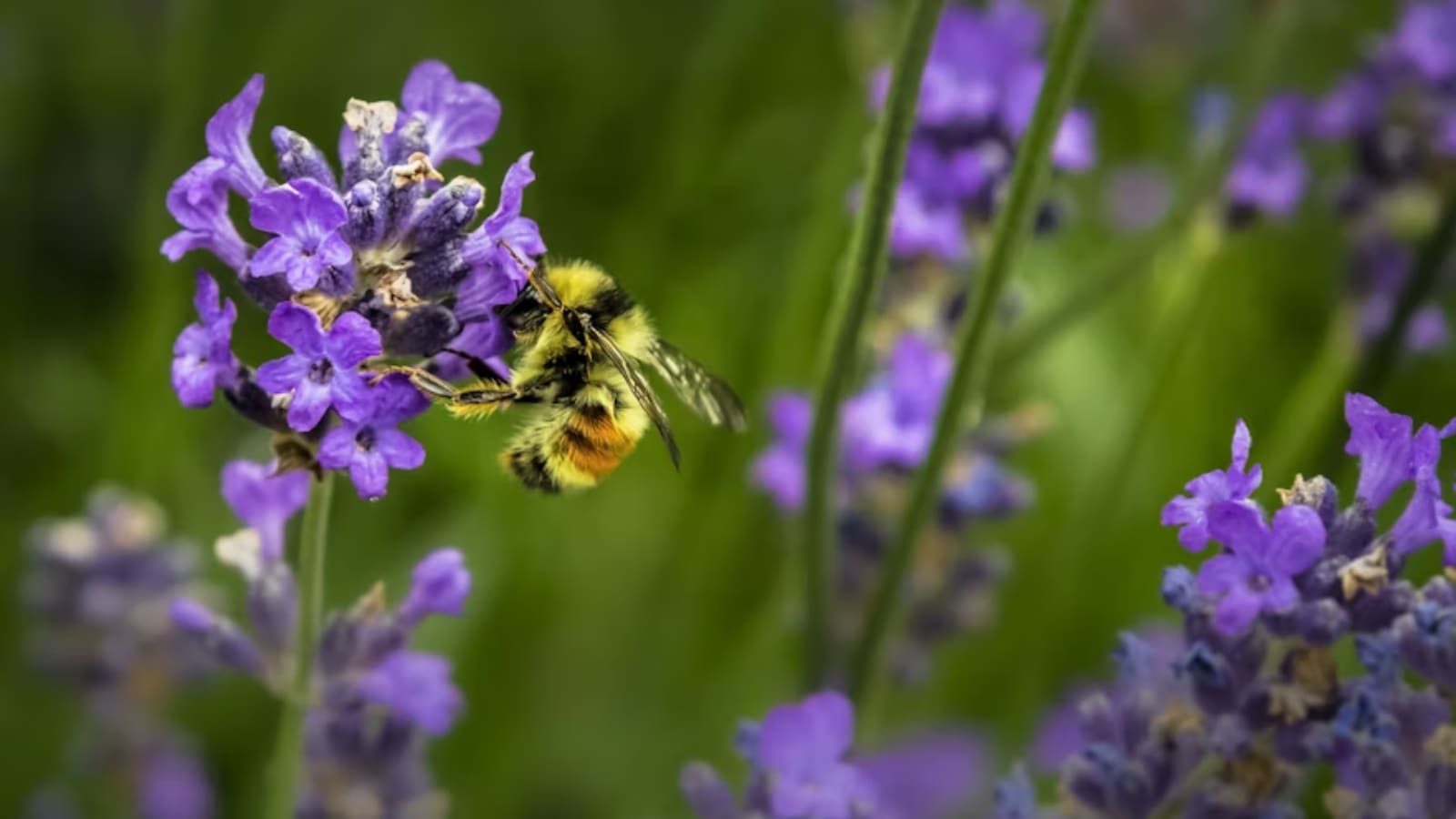
Honey bees are essential drivers of global food security and nutritional quality, acting as primary pollinators for major crops. India's agricultural productivity and future sustainability depend on protecting these insects to maintain its status as a leading global honey producer.
The Silent Guardians of Global Food Security
The coincidence of India’s Independence Day with the US’s National Honey Bee Day serves as a poignant reminder of the global interconnectedness of ecological health and food security. While the honey bee may appear as a fragile, minuscule creature capable of resting on a human fingertip, its role in the global ecosystem is monumental. The Food and Agriculture Organisation (FAO) has underscored that these insects are responsible for nearly one-third of global crop output, acting as the invisible engine of agricultural productivity.
The Mechanics of Pollination and Yield
Beyond mere volume, the impact of bees on agriculture is multifaceted. They are vital for the cross-pollination of 87 out of 115 leading food crops worldwide. By facilitating the fertilization process, bees do not simply increase the quantity of the harvest; they significantly enhance the nutritional quality of the produce. This biological service is a cornerstone of sustainable farming, ensuring that food systems remain resilient against the pressures of growing populations and shifting climate patterns.
India’s Agricultural Landscape
In the Indian context, the presence of bees is most visible in the vibrant mustard fields of Uttar Pradesh and Rajasthan, as well as the sprawling apple orchards of Himachal Pradesh. These regions demonstrate the tangible benefits of apiculture, where the industrious nature of bees translates directly into higher yields and better farm income. India has already successfully leveraged this natural synergy to become the world’s second-largest producer of honey, a testament to the country's vast potential for bee-led agricultural development.
The Strategic Imperative for Sustainability
For India, the path toward a 'sweet revolution' is inextricably linked to the protection of bee habitats. If the nation aims to transition toward a model of agriculture that is both highly productive and nutrient-dense, bees must be officially recognized and treated as the 'farmers' best friends.' This requires a shift in agricultural policy that prioritizes the health of pollinators, potentially mitigating the use of harmful pesticides that decimate bee populations and jeopardize long-term ecological stability.
Future Outlook and Conclusion
Moving forward, the sustainability of India's food supply chains will depend on the integration of apiculture into broader farming practices. Protecting the bee is not merely an environmental endeavor; it is an economic necessity that safeguards the livelihoods of millions of farmers. By investing in the preservation of these pollinators, India can ensure that its agricultural sector remains robust, nutritious, and capable of meeting the demands of a changing world, ultimately securing the future of its 'sweet revolution.'