As the Japanese Countryside Empties Out, Wildlife Is Disappearing
Source Entity
Hacker News
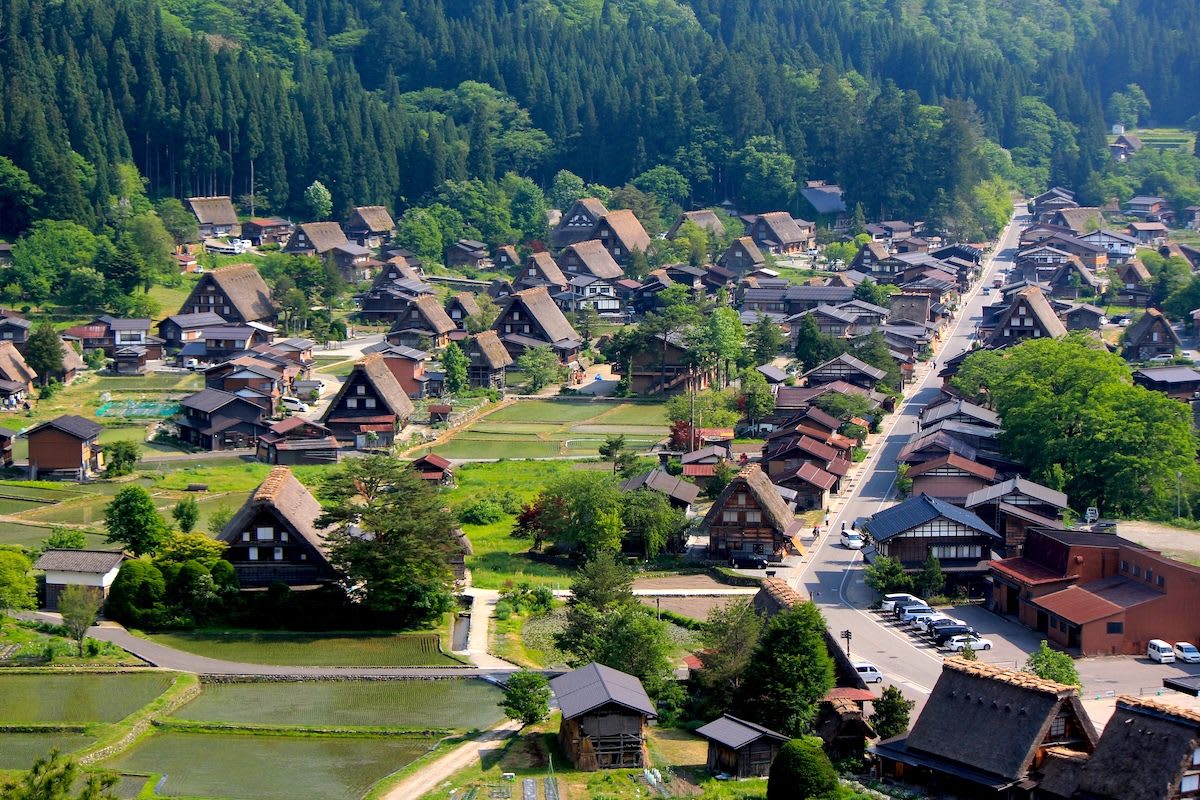
Japan's rural population decline is paradoxically causing a loss of biodiversity rather than a resurgence. Abandoned farms destroy the unique mosaic ecosystems that once supported rare species co-evolved with human agricultural practices.
The Paradox of Abandonment: Japan's Rural Biodiversity Crisis
As Japan grapples with a significant national demographic decline, the impact is most acutely felt in its rural foothills. While conventional wisdom might suggest that the departure of human populations from these areas would lead to a 'rewilding' effect, recent evidence indicates a far more troubling outcome. Instead of a flourishing of pristine nature, the disappearance of human activity is triggering a silent collapse of biodiversity in these regions.
The Mosaic Landscape Hypothesis
Researchers have identified that the specific agricultural practices of Japanese farmers for centuries created a 'mosaic landscape.' This environment—characterized by a blend of rice paddies, open pastures, and scattered woodlands—served as a highly specialized habitat. By actively managing these lands, humans inadvertently created niches for a variety of species, such as orchids and azaleas, which thrived in the gaps created by firewood harvesting and leaf collection for fertilizer.
Co-evolution and Ecological Dependency
Many species currently found in these rural areas have essentially co-evolved with human agricultural interventions. The rice paddy is not merely a crop field; it is an engineered wetland that provides essential breeding grounds for rice fish and heike fireflies. When farmers abandon these paddies, the irrigation infrastructure degrades, and the specialized aquatic environment vanishes, leaving these species without a viable habitat.
The Failure of 'Rewilding' Expectations
Contrary to the expectation that abandoned land returns to a natural state of abundance, the loss of human stewardship in Japan is causing ecological simplification. The disappearance of these mosaic landscapes means that the specific environmental 'edges' that support high biodiversity are being lost to uniform forest encroachment or degradation. This suggests that for certain species, the human presence was not a detriment, but a necessary component of their survival.
Future Implications and Conservation Needs
Looking ahead, this trend presents a complex challenge for conservationists. Simply 'leaving nature alone' in these regions may not be sufficient to protect the species that rely on human-managed landscapes. Future efforts may require intentional, small-scale land management or the replication of traditional agricultural practices to prevent further loss of biodiversity. This shift in understanding highlights the intricate and often overlooked relationship between traditional farming and ecological health in the Japanese countryside.