US strikes Iranian launchers on Larak Island in first known attack in weeks
Source Entity
BBC News
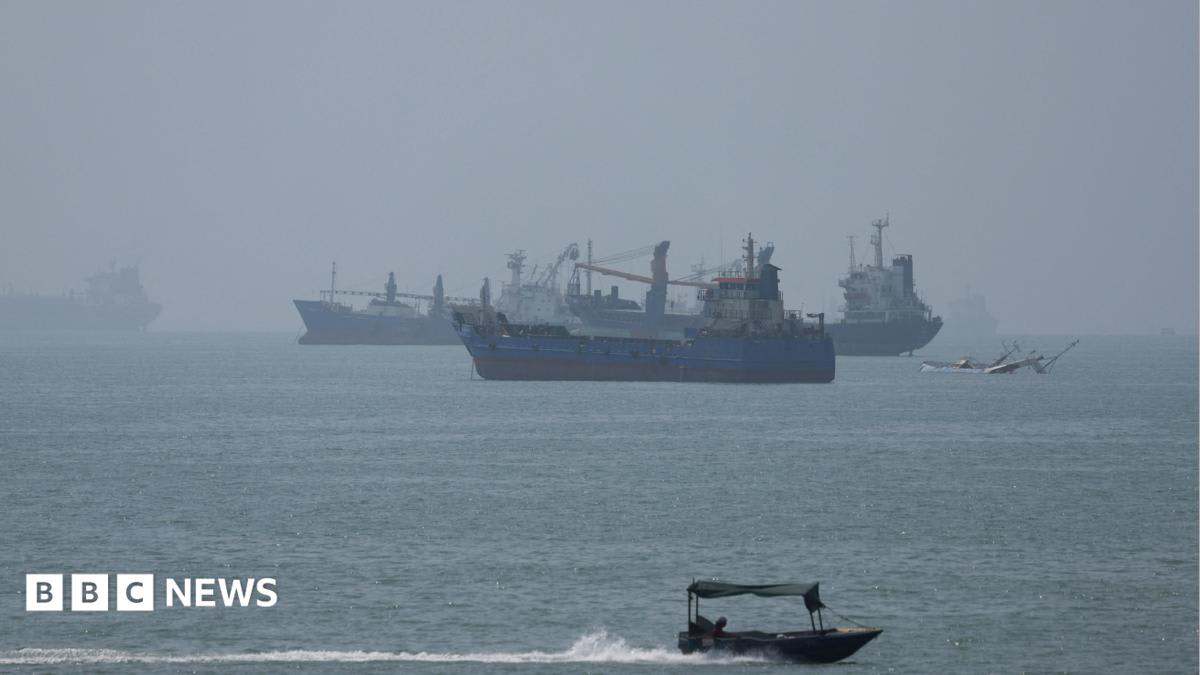
Vice President JD Vance clarified that a viral AI video of Kharg Island was a warning, not an official military announcement. Meanwhile, U.S. forces successfully struck Iranian missile launchers on Larak Island to prevent threats to global shipping.
The Intersection of Digital Deterrence and Kinetic Conflict
The recent discourse surrounding the U.S. administration’s use of AI-generated imagery and actual military strikes highlights a sophisticated, multi-layered approach to geopolitical brinkmanship. Vice President JD Vance’s clarification regarding an AI-generated video depicting the destruction of Kharg Island serves as a critical window into modern psychological operations. By framing the video as a message to Tehran rather than a tactical announcement, the administration is signaling a shift toward using digital media to assert influence without immediate physical escalation.
Strategic Importance of the Strait of Hormuz
The geographic focus on Larak Island and the Strait of Hormuz underscores the high stakes of this confrontation. As a chokepoint that facilitates a significant portion of the world's oil supply, the Strait remains the most sensitive artery in global commerce. Reports indicating that Iran has been forcing vessels to pay exorbitant fees—reportedly $2 million—to transit the area represent a direct challenge to the international order and the freedom of navigation that the U.S. has historically sought to protect.
Kinetic Reality vs. Digital Signaling
While the Kharg Island video was a digital projection, the strike on Larak Island was a tangible, kinetic reality. U.S. forces intercepted Islamic Revolutionary Guard Corps (IRGC) members preparing to deploy rockets equipped with sea mines, a move that would have posed a catastrophic risk to commercial shipping. By neutralizing these launchers, the U.S. demonstrated a clear boundary regarding the militarization of these maritime lanes, distinguishing between symbolic messaging and the preservation of operational security.
The Human Cost and Escalation Risks
Despite the strategic necessity cited by Washington, the human cost remains a flashpoint for further conflict. Iranian sources, including the Tasnim news agency, report that the strike resulted in civilian casualties, fueling Tehran’s rhetoric of a "strategic and fatal mistake." The IRGC’s vow of "response and punishment" highlights the precarious nature of this conflict, where a single tactical engagement can rapidly spiral into broader economic and military retaliation.
Future Trends in Deterrence
Looking ahead, the use of AI as a tool for state-level communication is likely to become a permanent fixture in the U.S. foreign policy arsenal. This strategy allows the administration to project power and set expectations for adversaries while maintaining a level of plausible deniability regarding actual military operations. However, as the gap between digital warnings and kinetic reality narrows, the risk of miscalculation by either side increases, particularly as Iran continues to assert control over regional shipping lanes.
Conclusion
The situation remains a volatile mix of psychological warfare and high-stakes maritime policing. While the U.S. continues to emphasize its "many tools" for managing Iranian aggression, the incident at Larak Island proves that the administration is prepared to act with force when threats to global infrastructure become imminent. The coming weeks will likely determine whether these measures serve to stabilize the Strait or push the region toward a more sustained and dangerous confrontation.