Nepal Floods: Hunt intensifies for 900 missing at hydel units, one tunnel head located
Source Entity
VISHANT AGARWALA AND KALYAN DAS
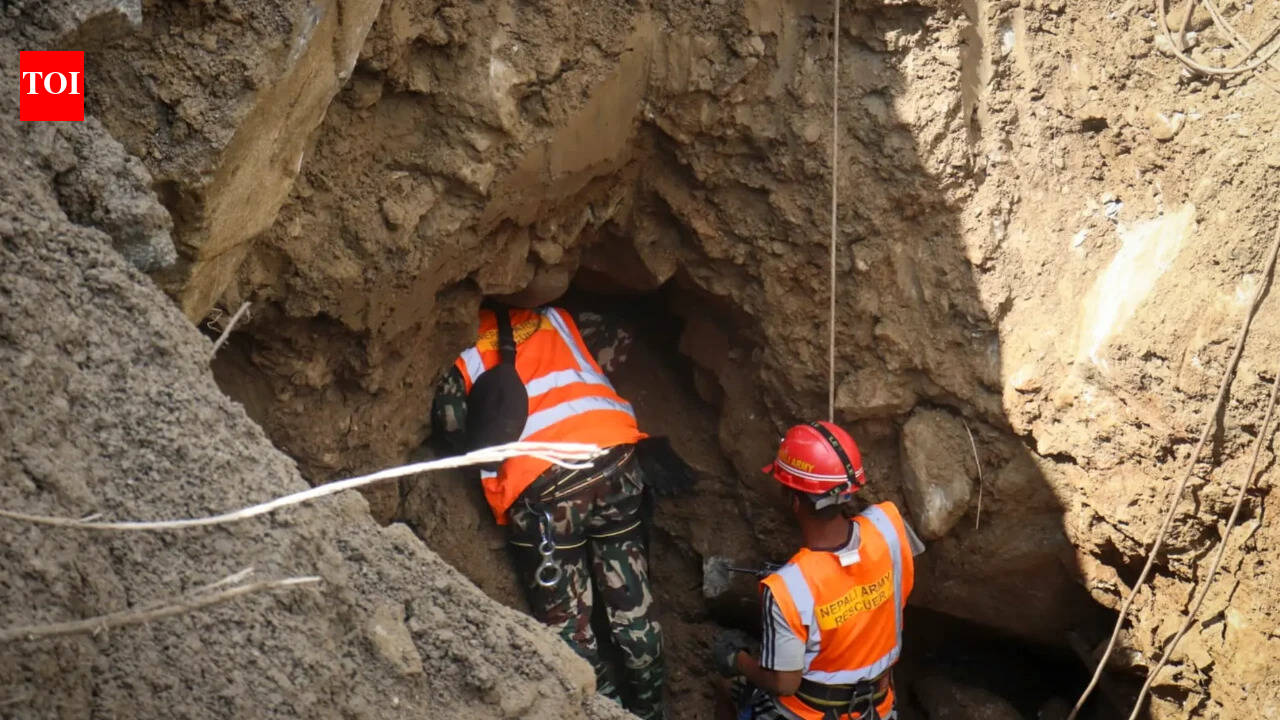
A Lucknow family is searching for a US-based couple missing after devastating flash floods struck the Nepal-China border. Tensions have risen as China rejects Nepali claims that a dam collapse caused the disaster, attributing the tragedy to natural geological events instead.
The Human Cost of the Nepal Flash Floods
The catastrophic flash floods that struck the Nepal-China border on August 26 have left a Lucknow family in a state of profound anxiety. Deepak Ahuja, 60, and his wife Madhu Ahuja, 57—both Overseas Citizens of India residing in the United States—have been reported missing following their pilgrimage to the Kailash Mansarovar site. The couple, part of the 'Isha Sacred Walks' group, were reportedly at an immigration center near the border when the disaster struck. While their relatives were able to return safely, the Ahuja couple remains untraceable, highlighting the harrowing uncertainty faced by families during such rapid-onset natural disasters.
The Scale of the Devastation
The impact of these floods extends far beyond individual tragedies. Reports from the region indicate that the devastation was widespread, affecting not only pilgrims and travelers but also local institutions. In a stark illustration of the chaos, a local school principal recounted a desperate effort to evacuate 900 children in mere minutes, a feat that, while heroic, came at a heavy cost. Two staff members from the school were confirmed killed, underscoring the lethal nature of the mudslides and floodwaters that swept through the Gyirong-Rasuwagadhi border region.
Geopolitical Friction Amid Crisis
The tragedy has triggered a diplomatic dispute between Nepal and China. Nepali officials initially suggested that the collapse of a 'geological disaster dam' on the Chinese side of the border served as the catalyst for the flooding. This assertion carried significant weight, as it implied a failure in infrastructure management or a lack of communication regarding potential hazards. The claim suggested that the devastation could have been mitigated had China provided an early warning to the Nepali authorities.
China’s Response and Counter-Narrative
China has vehemently rejected these allegations, labeling the claims of a dam collapse as 'fake news.' In a formal statement released via their embassy in Nepal, Chinese officials characterized the event as a natural disaster, citing an earthquake or a glacier collapse on the Nepali side as the primary driver of the mudslides. By emphasizing that the incident affected both sides of the border, China sought to frame the narrative around shared vulnerability rather than infrastructural negligence, famously stating that 'accusation helps nothing' and calling for increased cooperation.
Future Implications for Border Safety
The disagreement over the cause of the disaster reveals the complexities of managing the rugged, high-altitude border region between Nepal and China. As climate change increases the frequency of glacial lake outbursts and unstable terrain, the need for integrated disaster management systems becomes critical. The inability of both nations to agree on the trigger for this event suggests that future diplomatic and scientific coordination remains a significant challenge, potentially leaving pilgrims and local populations exposed to ongoing environmental risks.
Conclusion
As the search for the Ahuja couple continues, the broader narrative remains one of loss and diplomatic tension. While the physical waters may eventually recede, the questions regarding safety protocols, early warning systems, and trans-border communication remain urgent. For the families involved, the priority is resolution, but for the region, the event serves as a grim reminder of the need for collaborative environmental monitoring in the face of increasingly unpredictable geological threats.
Multiple Citing Sources