Jean Drèze urges T.N. govt. to take strict action amid report of ‘fake book’ at Kalaignar Centenary Library
Source Entity
India Latest News: Top National Headlines Today & Breaking News | The Hindu
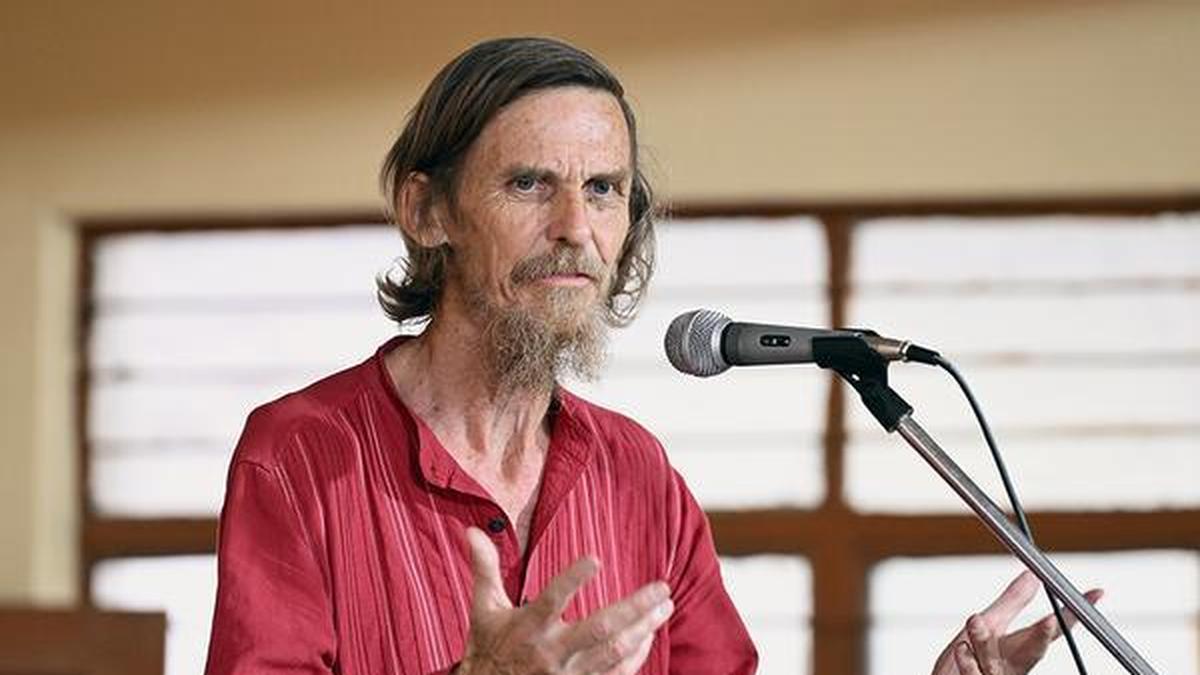
Renowned economist Jean Drèze has publicly disavowed a book falsely attributed to him in Tamil Nadu public libraries. He has urged the state government to investigate the incident, expressing concerns that the text may have been generated by artificial intelligence.
The Emergence of 'Ghost' Literature in Public Archives
Renowned economist Jean Drèze has issued a firm clarification regarding a book titled Democracy and Peoples Right in the Contemporary World, which has recently surfaced in public libraries across Tamil Nadu, including the prominent Kalaignar Centenary Library in Madurai. Despite the cover branding his name as the author, Drèze has categorically denied any involvement in the creation or publication of this work. This incident marks a disturbing intersection between public intellectual discourse and the proliferation of unauthorized, potentially machine-generated content.
The Threat of AI-Generated Misinformation
Drèze’s primary concern centers on the origin of this material, specifically suggesting that the text may be AI-generated. The ease with which large language models can mimic the style and tone of established public intellectuals poses a significant risk to the integrity of public information systems. If unauthorized actors can successfully pass off synthetic content as the work of credible academics, it threatens to pollute the educational resources provided by state institutions, ultimately undermining the public's trust in library catalogs and academic archives.
Implications for Institutional Oversight
This incident highlights a critical vulnerability in the procurement and curation processes of public libraries. The inclusion of a 'fake' book in a high-profile institution like the Kalaignar Centenary Library suggests a lapse in verification protocols. As state-funded entities, these libraries carry a mandate to provide vetted, accurate information to the populace. The failure to identify an unauthorized publication before it reached the shelves necessitates a swift and rigorous audit of current acquisition policies to prevent further 'rot' from spreading through the system.
The Call for Accountability
In his correspondence, Drèze has explicitly urged the Tamil Nadu government to take strict action against this phenomenon. This request goes beyond the removal of a single book; it represents a broader call for institutional accountability in the digital age. By identifying the source of this fraud, the government can send a strong message regarding the protection of intellectual property and the sanctity of academic authorship. The economist’s 'foxed and baffled' reaction underscores the shock felt by scholars when their professional identity is hijacked by digital fabrications.
A Precedent for Future Curation
The situation involving the misattributed book serves as a cautionary tale for library systems globally. As AI-generated content becomes more sophisticated and harder to distinguish from human-authored works, the role of human curators becomes increasingly vital. Future collection strategies will likely require more robust metadata verification and closer collaboration with authors to ensure that the works displayed in public institutions are authentic representations of the scholars they claim to be.
Verification Required?