Jeff Bezos on returning to work after retirement: I just couldn’t sit on sidelines
Source Entity
TOI TECH DESK
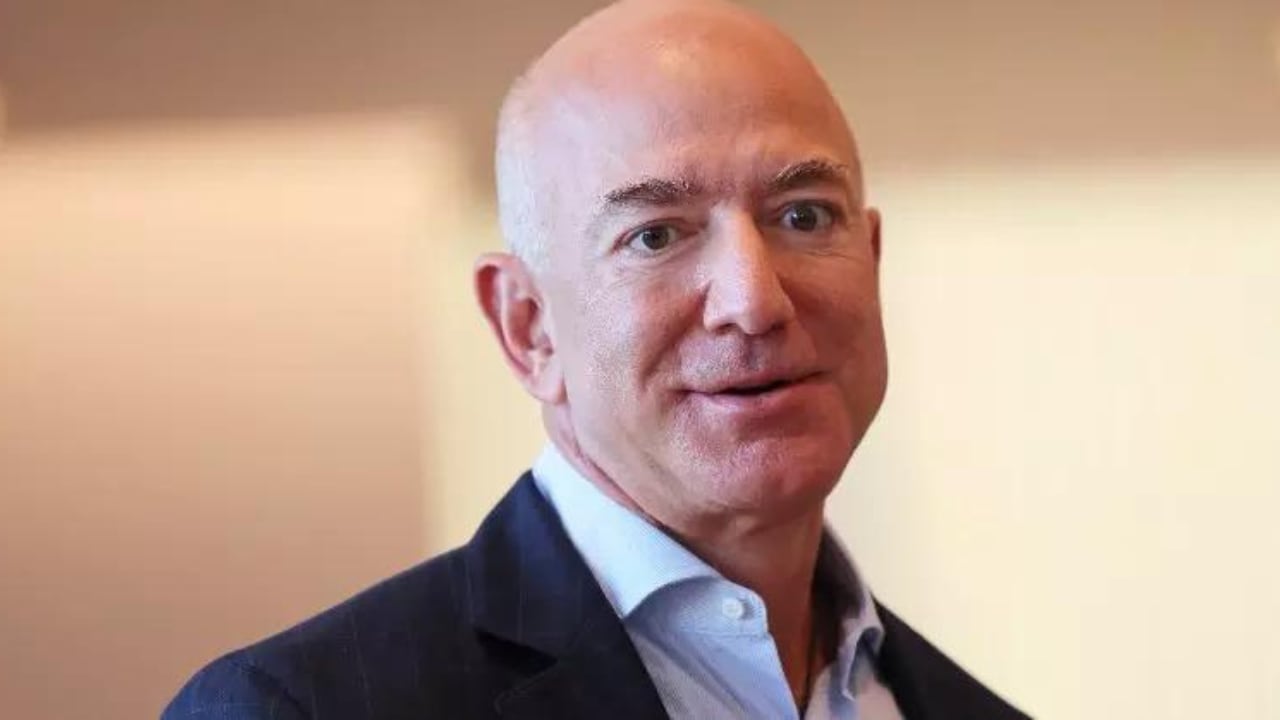
Jeff Bezos has returned to an active operational role to lead his new AI startup, Prometheus. He views AI as a catalyst for labor shortages rather than displacement and is fully focused on scaling the venture.
The Strategic Return of Jeff Bezos
Jeff Bezos, the founder of Amazon and one of the world's most influential business leaders, has officially stepped back into an operational capacity. After announcing his retirement from day-to-day duties at Amazon years ago, Bezos has identified a new mission that drew him away from the sidelines: his artificial intelligence startup, Prometheus. This move marks a significant shift in his post-Amazon career, signaling that the allure of building transformative technology remains a primary motivator for the billionaire.
Defining 'Type 2 Fun'
Bezos characterizes the rigorous demands of building Prometheus as "Type 2 fun." In the context of his work, this term describes an experience that is difficult, challenging, and perhaps even stressful while in the midst of it, but ultimately rewarding and satisfying upon reflection. This philosophy aligns with his long-standing approach to business at Amazon, where he consistently pushed for ambitious, high-stakes projects that required long-term commitment and immense effort to overcome significant technical and logistical hurdles.
Reimagining the Future of Labor
One of the most provocative aspects of Bezos’s recent commentary is his perspective on the impact of artificial intelligence on the global workforce. Contrary to the prevailing narrative that AI will lead to mass unemployment, Bezos argues that the technology will instead precipitate a labor shortage. This suggests a belief that AI will create new, complex roles that require human oversight and integration, potentially outpacing the supply of qualified workers available to manage these advanced systems.
The Scale and Scope of Prometheus
Prometheus has already secured significant funding, providing it with the capital necessary to compete in the rapidly evolving AI landscape. For Bezos, this venture is not a secondary interest; it is his primary focus. By dedicating his personal attention to the scaling of Prometheus, he is signaling to the market that the startup is designed for high-impact growth. This operational intensity is a hallmark of his management style, which emphasizes rapid iteration and long-term vision.
Broader Implications and Future Trends
Bezos’s return highlights a broader trend among tech titans who find themselves unable to fully retire while transformative technologies like generative AI are still in their infancy. His involvement suggests that the next decade of corporate innovation will be defined by leaders who view AI not just as a tool for efficiency, but as a fundamental pillar of future business models. If Bezos’s prediction regarding labor shortages proves accurate, companies may soon face a critical race to secure human talent capable of navigating an AI-driven economy.
Conclusive Summary
Ultimately, Jeff Bezos’s transition from retirement to the helm of Prometheus represents a calculated bet on the future of intelligence. By framing AI as a labor-multiplier rather than a replacement, he is setting a tone for how industry leaders should approach the integration of this technology. With substantial funding and his undivided attention, Prometheus is positioned to be a major player in the next wave of technological disruption.