‘Attempt to undermine my sons’: Imran Khan's ex-wife hits back at Pakistani minister over remarks on Jewish identity
Source Entity
Latest News: Todays Latest News Headlines from India & World | Hindustan Times | Hindustan Times
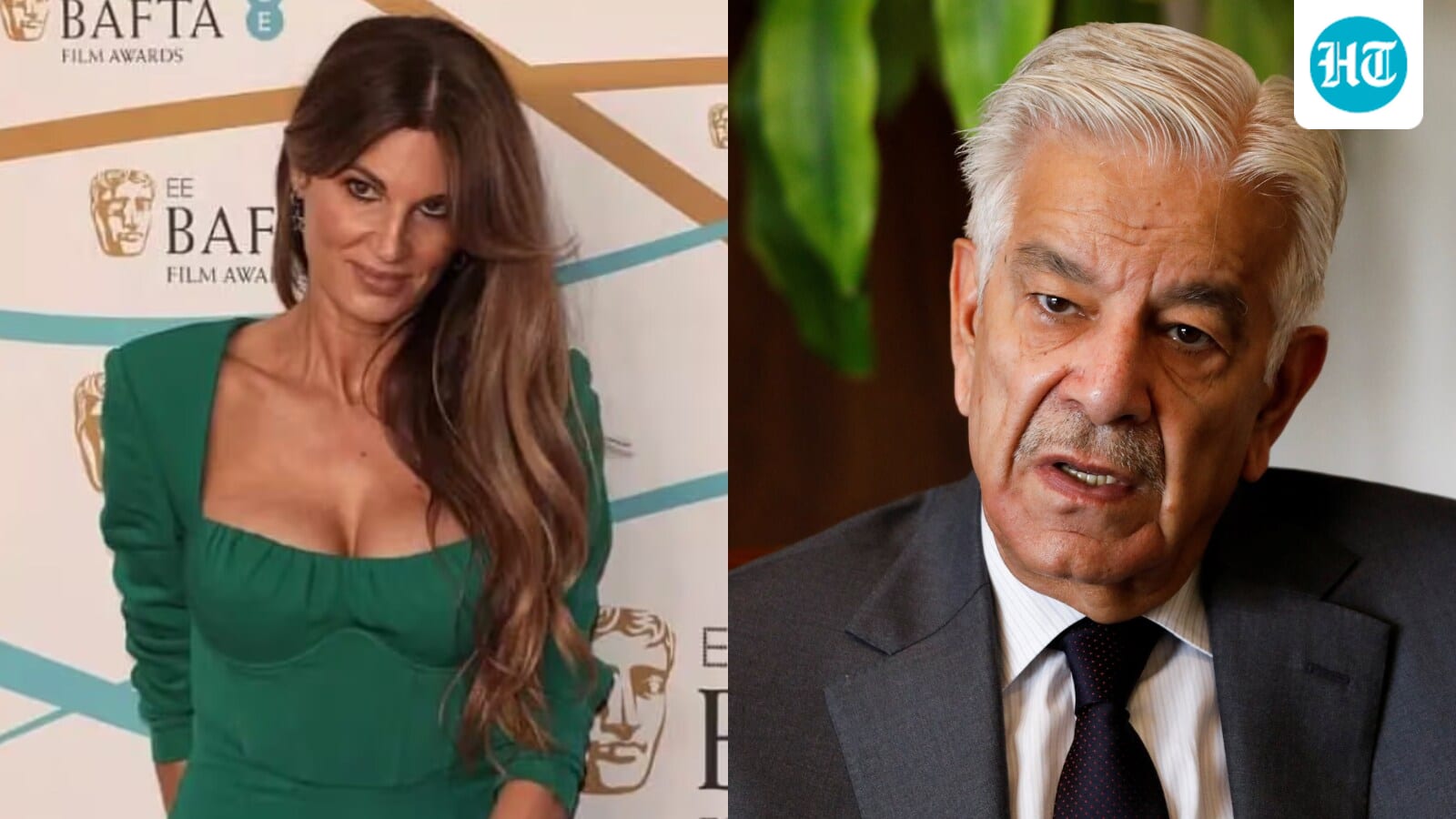
Jemima Goldsmith has publicly criticized Pakistani Defence Minister Khwaja Asif for his comments regarding Jewish maternal lineage. Goldsmith highlighted the political implications of Asif's remarks, which she interpreted as an attempt to undermine her sons with former PM Imran Khan.
The Intersection of Personal Identity and Political Rhetoric in Pakistan
Recent discourse in Pakistani political circles has taken a contentious turn, with Defence Minister Khwaja Asif sparking controversy through a public statement concerning Jewish identity. By detailing the religious tradition of matrilineal descent in Judaism—stating that identity is passed through the mother—Asif has drawn sharp criticism from Jemima Goldsmith, the former wife of imprisoned former Prime Minister Imran Khan. This exchange underscores the volatile nature of political rhetoric in Pakistan, where personal background and religious identity are frequently weaponized to undermine opponents.
The Mechanics of the Dispute
The core of the conflict lies in Asif’s assertion on X that, within mainstream Judaism, a person's religious identity is strictly determined by their mother. By emphasizing that "maternity is a biological certainty, whereas paternity is a matter of chance," Asif laid out a framework that Goldsmith immediately recognized as a strategic maneuver. While Goldsmith acknowledged the technical accuracy of Asif’s description of Jewish law, she countered by noting that this very principle actually excludes her from being recognized as Jewish by the community, thereby exposing the logical inconsistencies in using such arguments to target her children.
Politicizing Lineage and Faith
Goldsmith’s sharp retort, accusing the Minister of attempting to "undermine my sons," highlights a disturbing trend in Pakistani politics: the use of familial heritage as a tool for character assassination. By invoking the religious identity of the children of a prominent political figure like Imran Khan, the Minister’s remarks appear designed to trigger sectarian sensitivities. This tactic is often employed to delegitimize political opponents by framing their familial ties as incompatible with the national or religious fabric of the state, a strategy that has significant implications for the safety and public standing of political families.
Historical Context of Identity Politics
The usage of religious identity as a political cudgel is not a new phenomenon in Pakistan’s history. Political discourse often leans into identity-based rhetoric to polarize the electorate, particularly when dealing with figures who have international backgrounds. The scrutiny of Imran Khan’s family, specifically through the lens of his former marriage to Goldsmith, serves as a recurring theme in attempts to cast doubt on his nationalist credentials. By focusing on the matrilineal heritage of his sons, political rivals seek to tap into deep-seated prejudices rather than debating policy or governance.
Broader Implications for Political Discourse
The fallout from this exchange suggests a hardening of political lines, where the boundaries between private life and public policy continue to blur. When state officials, such as a Defence Minister, engage in commentary on the religious identity of their rivals' family members, it sets a precedent that encourages public vitriol and potentially fuels online harassment. This environment makes it increasingly difficult for meaningful dialogue to occur, as the focus remains trapped in a cycle of identity-based attacks rather than substantive political critique.
Future Trends in Political Weaponization
Looking ahead, it is probable that this incident will serve as a catalyst for further debate regarding the ethics of political speech in Pakistan. As digital platforms continue to amplify these exchanges, the risk of escalation remains high. If the trend of using religious and ancestral lineage as a rhetorical weapon persists, it could further erode the civility of the national discourse. The incident serves as a stark reminder that in the hyper-polarized landscape of Pakistani politics, no aspect of a leader's personal life is considered off-limits by their adversaries.
Verification Required?