Is bad news for Jensen Huang also bad news for the AI industry?
Source Entity
Anthony Ha
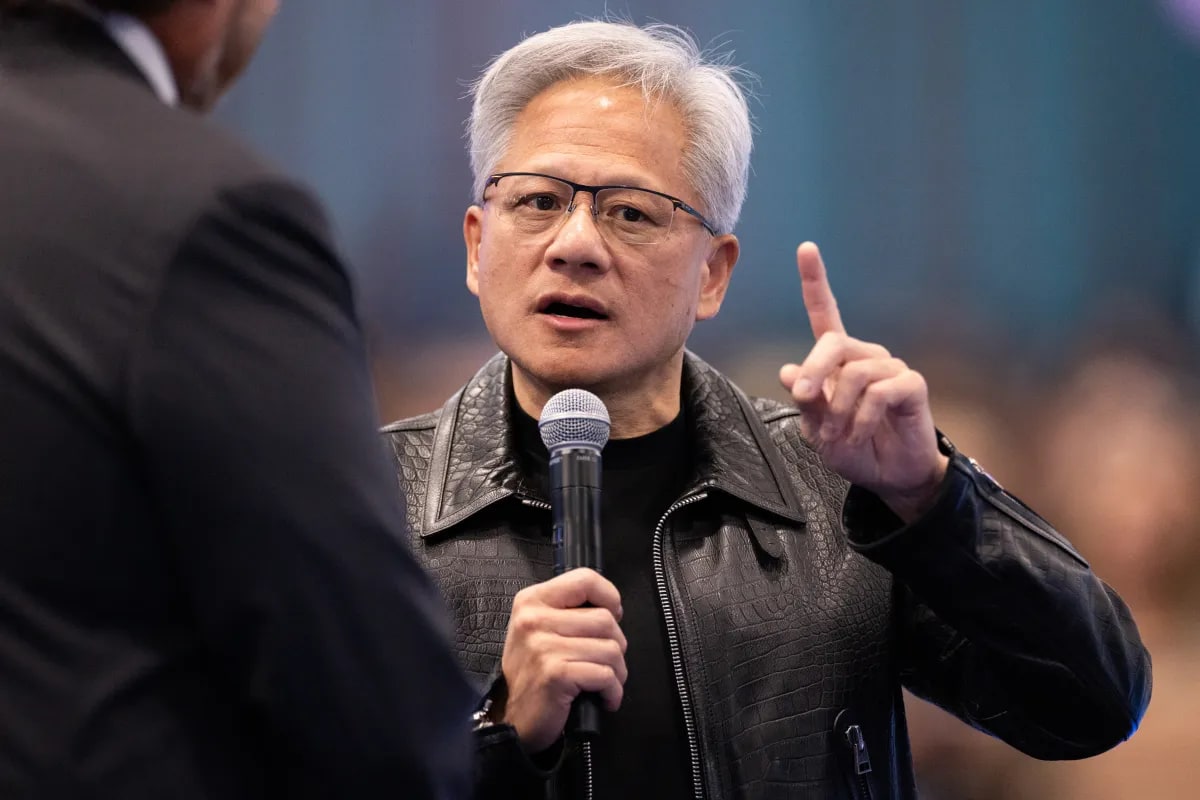
Nvidia CEO Jensen Huang has been ousted following an internal investigation and a series of emerging scandals. Analysts are now grappling with the potential instability this leadership vacuum creates for the broader AI economy.
The Unprecedented Exit of Jensen Huang
The sudden departure of Jensen Huang from the helm of Nvidia marks a watershed moment for the technology sector. For years, Huang has been synonymous with the company’s meteoric rise, acting as the primary architect behind its dominance in the semiconductor space. The transition from his assumed job security to an abrupt ouster following an internal board investigation highlights the volatility inherent in high-stakes corporate governance, even for industry icons.
The Erosion of Institutional Support
While some observers, such as the TechCrunch Equity panel, noted warning signs, the speed of Huang’s collapse took many by surprise. The rapid accumulation of emerging scandals suggests that the board’s confidence eroded with startling velocity. This disintegration of support underscores a critical shift: even the most influential leaders in the AI era are not immune to the consequences of mounting controversies, regardless of their historical contributions to company valuation.
The 'Nvidia Economy' and Market Dependency
As noted in the analysis, "Jensen is Nvidia," and the broader economy is heavily leveraged on the company's performance. Because Nvidia serves as the foundational hardware provider for modern AI infrastructure, any leadership vacuum creates immediate ripple effects across the entire tech ecosystem. The reliance on one figurehead to steer the ship of AI innovation means that his absence introduces significant uncertainty for investors, stakeholders, and partners who depend on Nvidia’s steady supply of GPU technology.
Broader Implications for AI Governance
The investigations into Huang signal a shift in how tech giants are being scrutinized. As AI becomes a central pillar of global economic growth, boardrooms are clearly adopting a lower tolerance for reputational risk. This event serves as a cautionary tale for other tech executives: the immense power associated with leading a trillion-dollar company comes with a heightened level of accountability that can dismantle a career in a matter of days.
Looking Toward a Post-Huang Future
Despite the abrupt nature of his departure, there remains a faction of supporters advocating for a potential return. However, the current reality involves navigating a leadership transition during a period of intense industry scrutiny. The future of Nvidia—and by extension, the trajectory of AI development—now depends on how effectively the board can stabilize operations and maintain the momentum of the company’s technological roadmap without its most recognizable face.
Conclusion
The ouster of Jensen Huang is more than a corporate personnel change; it is a structural shock to the AI industry. Whether the company can maintain its market position without the individual who defined its culture and strategy remains the most pressing question for analysts. For now, the tech world watches closely to see if Nvidia can decouple its success from the legacy of its former CEO.