Jensen Huang’s departure as Nvidia CEO becomes a political proxy war
Source Entity
Blake Montgomery
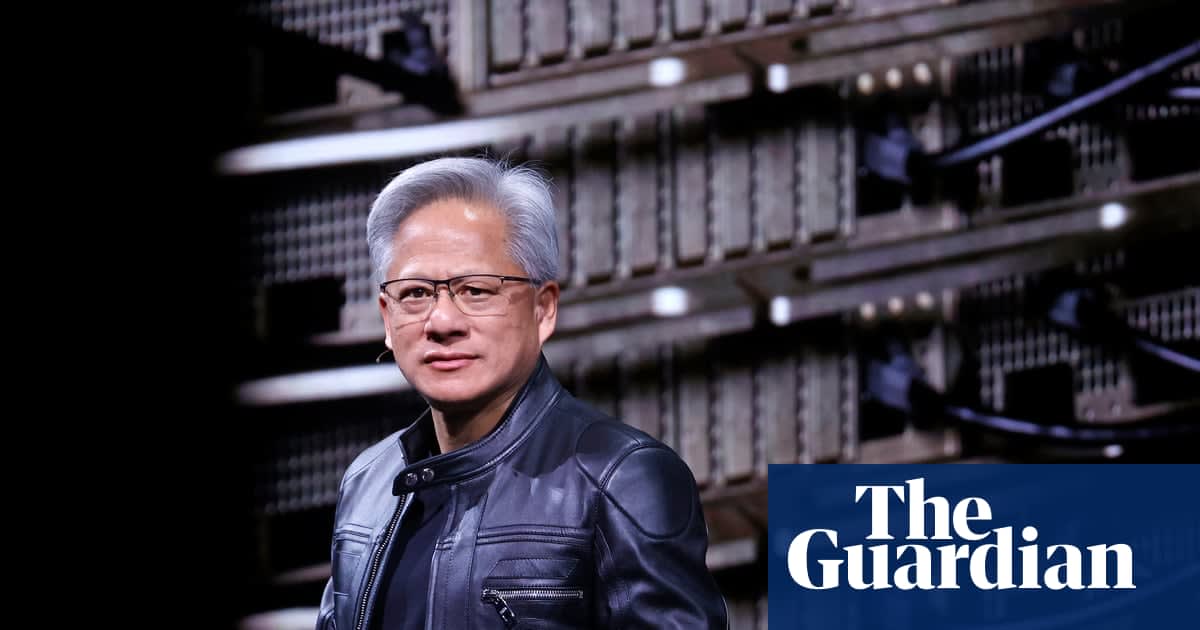
Jensen Huang has resigned as Nvidia CEO following reports of personal misconduct, including an affair with a suspected Chinese spy. While industry leaders like Sam Altman express confidence in the sector's resilience, others are lobbying for his reinstatement due to concerns over corporate strategy.
The Departure of Jensen Huang: A Seismic Shift in Silicon Valley
The technology sector is currently grappling with the sudden resignation of Jensen Huang, the long-standing CEO of Nvidia. Huang’s departure, which followed public disclosures regarding multiple personal affairs—including a relationship with an executive at the datacenter firm Megaspeed and a reported entanglement with a suspected Chinese intelligence asset—has sent shockwaves through the global financial and tech landscapes. Once the leader of the world’s most valuable company, Huang’s exit has transformed from a corporate governance matter into a high-stakes political proxy war.
The Security and Geopolitical Implications
The involvement of a suspected Chinese spy in the events leading to Huang’s resignation adds a complex layer of geopolitical tension to the narrative. In an era where semiconductor technology is viewed as a critical national security asset, the connection between the head of the world's primary AI chipmaker and foreign intelligence entities is unprecedented. This revelation has triggered deep concerns among regulators and national security analysts regarding the potential for intellectual property leakage and the integrity of the global AI supply chain.
Industry Reactions and the 'Fine' Sentiment
OpenAI CEO Sam Altman, speaking at the Semafor Silicon Valley & The World conference, offered a measured perspective on the crisis. While acknowledging Huang as a "hero" whose vision was instrumental in the current AI boom, Altman insisted the industry would be "fine" given the overwhelming momentum of demand and revenue growth. This sentiment reflects a broader desire within Silicon Valley to decouple the success of the AI revolution from the specific tenure of its most prominent leaders, emphasizing that the underlying market forces remain robust despite individual scandals.
The Push for Reinstatement
Conversely, a significant faction of the tech establishment is actively resisting the transition. High-profile figures, including Elon Musk and Epic Games CEO Tim Sweeney, have signed a public letter calling for Nvidia to reinstate Huang. These proponents argue that Huang’s unique leadership style is essential to managing the enormous financial and technical risks currently facing the company. This internal rift highlights a tension between traditional corporate ethical standards and the "founder-centric" culture that often defines major tech conglomerates.
Future Trends and Market Stability
As Nvidia navigates this leadership vacuum, the company faces a critical test of its institutional resilience. Market observers are closely watching whether the board will bow to pressure from the industry elite or maintain its current trajectory. The outcome will likely serve as a litmus test for how modern tech giants handle the intersection of personal scandal, national security risks, and the immense pressure to maintain market dominance in the face of rapid technological evolution.