Jharkhand: 3-year-old's rape hushed up by Panchayat over feast 'fine' from suspect
Source Entity
K A GUPTA
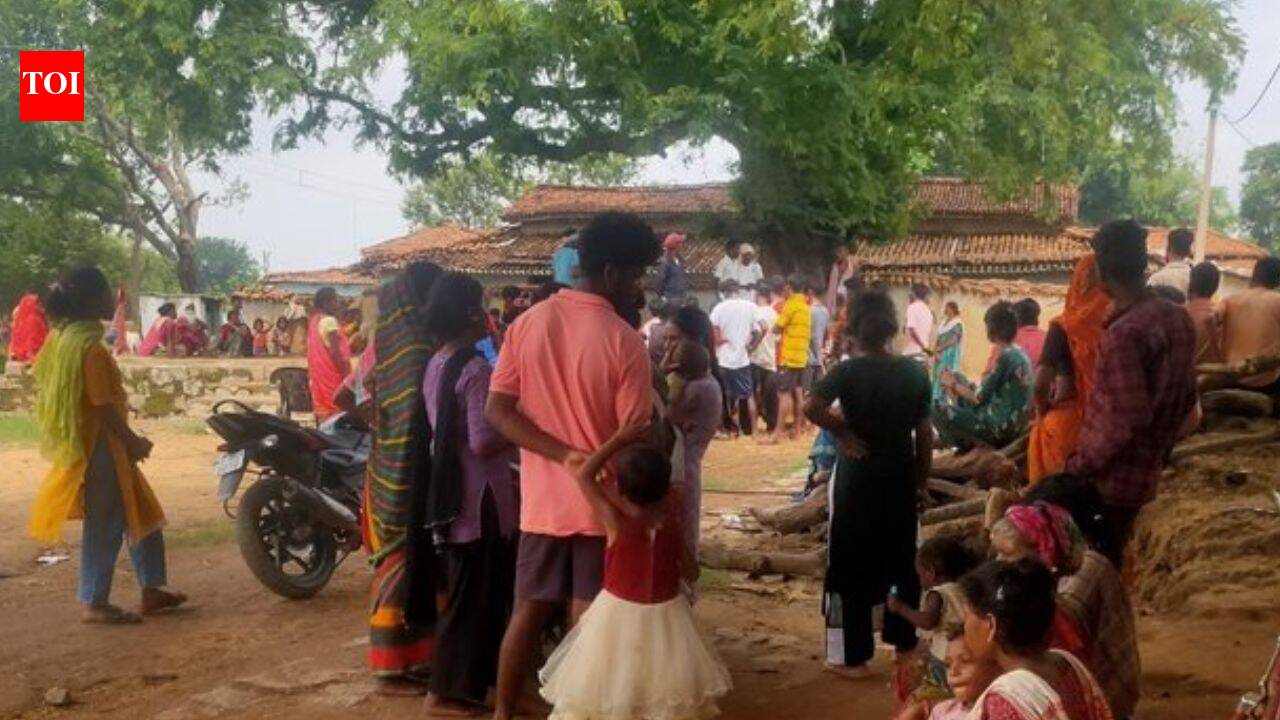
Panchayat members in Gumla allegedly accepted Rs 20,000 to conceal a child's rape. The money was reportedly used for a feast after the suspect's family paid the fine. Police arrested the teenage suspect after visiting the village on Sunday evening. A magisterial probe will verify if panchayat members shielded the suspect for cash. Authorities are investigating all aspects of the alleged crime and the feast.
Justice Delayed by Greed: The Gumla Child Rape Scandal
In a harrowing instance of systemic failure and moral bankruptcy, a shocking case has emerged from the Gumla district of Jharkhand. A three-year-old child was subjected to a brutal act of rape, but instead of seeking immediate legal recourse and medical aid, the local community leadership—the Panchayat—allegedly intervened to suppress the crime. The revelation that the case was hushed up in exchange for a monetary 'fine' of ₹20,000, which was then used to fund a village feast, highlights a disturbing intersection of crime, corruption, and the misuse of traditional authority.
The Mechanics of a Cover-Up
The details of the incident suggest a calculated attempt to bypass the Indian legal system. After the assault, the suspect's family reportedly negotiated with the Panchayat members, offering a sum of ₹20,000 to ensure the matter remained internal and away from the eyes of the law. The most egregious aspect of this settlement was the appropriation of these funds; rather than providing restitution to the victim's family, the money was allegedly used to host a feast. This act transforms a heinous crime into a social event, effectively incentivizing the silencing of victims to benefit the local power structure.
The Conflict Between Traditional and Legal Justice
This event underscores a persistent and dangerous trend in rural India where informal community courts, or Panchayats, attempt to adjudicate criminal offenses that fall strictly under the jurisdiction of the state. While Panchayats are intended for village administration and minor disputes, the attempt to 'settle' a rape case—especially one involving a toddler—is a direct violation of the Protection of Children from Sexual Offences (POCSO) Act. The POCSO Act mandates that such crimes are non-compoundable, meaning they cannot be settled through mutual agreement or financial compensation, regardless of community pressure or traditional customs.
State Intervention and Legal Recourse
The cycle of silence was eventually broken, leading to the intervention of the Jharkhand police. Following a visit to the village on Sunday evening, authorities successfully apprehended the teenage suspect. However, the legal battle is now expanding beyond the primary perpetrator. A magisterial probe has been initiated to investigate the complicity of the Panchayat members. This probe is critical, as it seeks to determine the extent to which local leaders conspired to shield a criminal, potentially making them accomplices in the crime through the destruction of evidence and the intimidation of witnesses.
Broader Implications for Child Safety in Rural Zones
The Gumla incident is a stark reminder of the vulnerability of children in remote regions where law enforcement is often distant and local influencers hold disproportionate power. When the very bodies meant to protect the community instead facilitate a cover-up for a fee, the social contract is completely severed. This case points toward a need for increased awareness of POCSO laws at the grassroots level and a more aggressive approach by the state to dismantle the culture of 'settlements' in cases of sexual violence.
Conclusion: A Call for Accountability
As the magisterial probe unfolds, the focus must remain on ensuring that not only the suspect but also the corrupt officials of the Panchayat face the full force of the law. The use of a 'fine' to fund a feast in the wake of a child's trauma is an affront to human rights and judicial integrity. For the community to heal and for such atrocities to be deterred, there must be a clear signal that traditional authority cannot supersede the law of the land, especially when it comes to the protection of the most innocent members of society.