Can talks break the deadlock? Jharkhand student leaders, Soren govt to meet today
Source Entity
Shubham Tigga
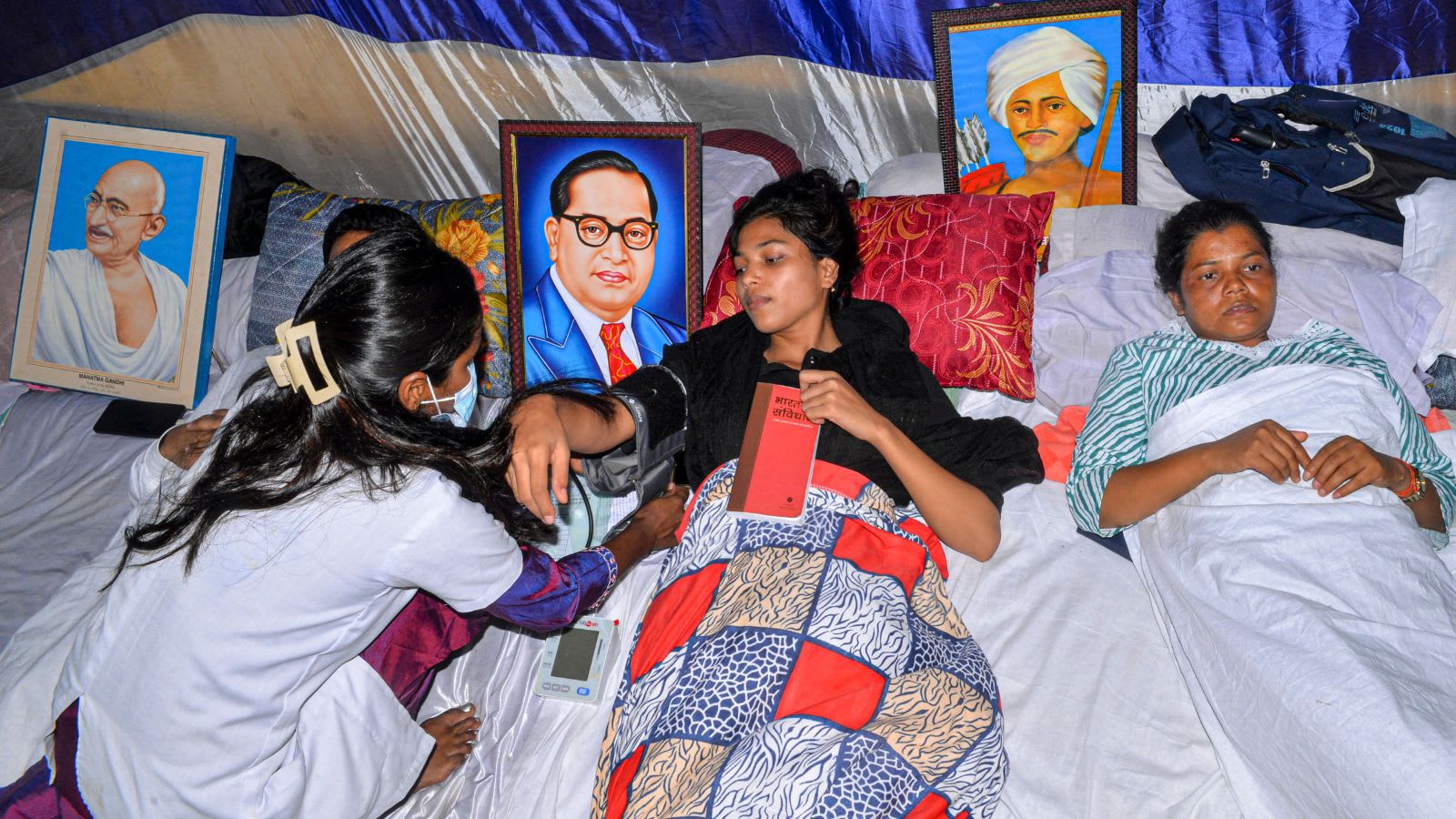
Protesting students in Jharkhand have formed an 11-member delegation to negotiate with the Hemant Soren government regarding alleged irregularities in JPSC and JSSC examinations. The talks follow an indefinite protest at Jaipal Singh Stadium, signaling a critical turning point in the ongoing civil service recruitment crisis.
The Jharkhand Recruitment Crisis: A Deep Dive
The Anatomy of the Protest
The ongoing unrest in Ranchi, centered at the Jaipal Singh Stadium, represents a significant escalation in the tensions between the Jharkhand student community and the state government. At the heart of the agitation are allegations of systemic irregularities, including paper leaks and procedural flaws, within the Jharkhand Public Service Commission (JPSC) and the Jharkhand Staff Selection Commission (JSSC). These examinations are the primary gateway to state government employment, and for thousands of youth, the integrity of these processes is synonymous with their professional future.
Government Outreach and the Initial Impasse
The initial phase of the protest was characterized by a standoff. While the state administration, represented by officials such as SDO Kumar Rajat and ADM Dhananjay Kumar, attempted to initiate a dialogue, the students exercised caution. This initial refusal to immediately engage in talks reflects a profound lack of trust in the institutional mechanisms designed to oversee recruitment. The students' hesitation to send a delegation underscores the depth of their frustration, as they sought to ensure that any negotiation would lead to substantive outcomes rather than merely serving as a pacification tactic.
The Escalation of Demands
The scope of the protests has broadened significantly, moving beyond simple grievances to a demand for structural reform. The protesters are explicitly calling for the cancellation of the JPSC Preliminary Examination, citing concerns about its fairness. This demand is not merely about a single exam but about the perceived institutional decay within the state's hiring bodies. By linking the JPSC issues with the JSSC paper leaks, the student movement has effectively highlighted a systemic failure that threatens the credibility of public service in Jharkhand.
Political Intervention and High-Level Deliberations
The situation gained significant political weight when Governor Santosh Gangwar met with Chief Minister Hemant Soren. This meeting indicates that the administrative impasse has reached the highest levels of the state government. When executive leadership is forced to address grassroots agitation, it underscores the potential for the protests to disrupt the state's governance agenda. The involvement of the Governor’s office suggests that the state is under pressure to resolve the issue before it escalates into a larger political liability ahead of future electoral cycles.
The Path Toward Negotiation
The formation of an 11-member delegation marks a transition from raw protest to organized negotiation. By selecting specific representatives to meet with the government's three-member committee, the students have demonstrated a pragmatic shift in strategy. This move is critical; it forces the government to address specific grievances in a formal setting. The effectiveness of these talks will likely depend on the government's willingness to concede to demands for transparency, such as independent audits or the cancellation of compromised examinations.
Future Implications for Jharkhand Governance
Looking forward, the resolution of this conflict will serve as a benchmark for how the Hemant Soren administration handles youth-led movements. If the government fails to provide a transparent resolution, it risks further alienation of the student demographic, which could have long-term political consequences. Conversely, a successful negotiation could restore a degree of faith in the JPSC and JSSC, provided that the government commits to rigorous, long-term reforms that prevent future paper leaks and procedural irregularities. The outcome of these meetings will likely dictate the stability of the state's recruitment ecosystem for years to come.