With matkas and dhols, Jharkhand tribals bring song and dance to SIR protest
Source Entity
Reva Thakkar, Madhurita Goswami
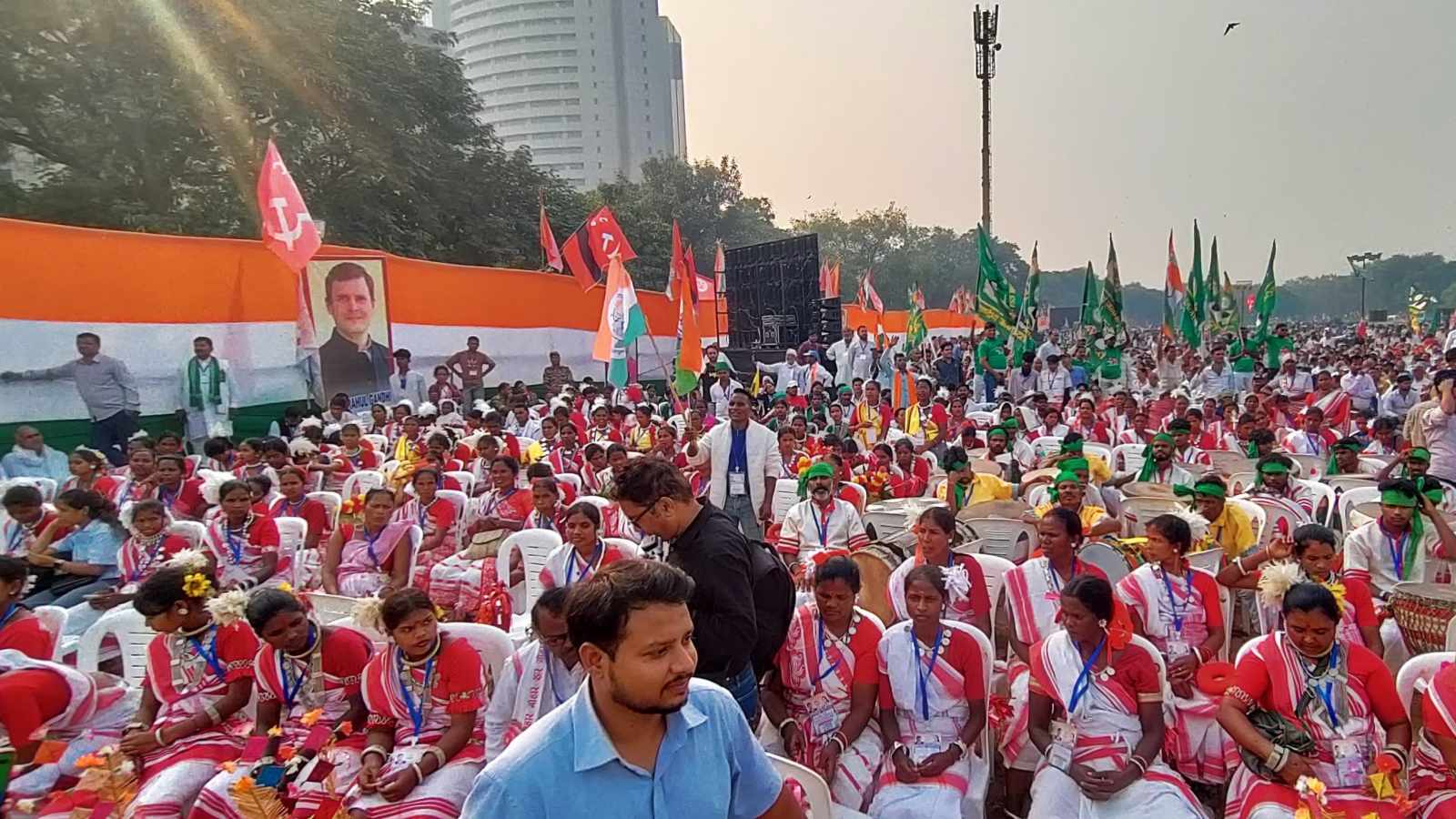
Approximately 1,300 Adivasis and Muslims from Jharkhand protested in Delhi against voter roll deletions during the Special Intensive Revision process. The demonstration highlighted concerns over documentation hurdles and the potential disenfranchisement of marginalized communities.
Protest Over Voter Roll Deletions in Jharkhand
On Sunday, November 1, a significant demonstration took place in New Delhi as approximately 1,300 Adivasis and Muslims from Jharkhand marched from Rajghat to Ramlila Maidan. Accompanied by traditional matkas and dhols, the protestors sought to draw national attention to the ongoing Special Intensive Revision (SIR) of electoral rolls in their home state. This peaceful yet spirited march served as a public condemnation of the administrative processes that participants claim are systematically excluding vulnerable populations from the democratic process.
The Crisis of Documentation and Identity
At the heart of the protest is the challenge of proving identity within the context of the SIR. In many tribal areas of Jharkhand, formal documentation is often scarce or difficult to maintain, creating a structural barrier for residents attempting to navigate bureaucratic requirements. Shilpi Neha Tirkey, Jharkhand’s Minister of Agriculture, Animal Husbandry, and Co-operative, who led the march alongside Congress working president Bandhu Tirkey, emphasized this systemic failure. She questioned the feasibility of the current verification model, noting that without adequate support, vulnerable citizens are effectively being stripped of their right to vote.
Administrative Hurdles and Voter Disenfranchisement
Reports indicate that a primary point of friction involves the interaction between citizens and Booth Level Officers (BLOs). Many residents reportedly failed to complete the necessary enumeration forms during the BLOs' visits, a lapse that is now being linked to the deletion of names from electoral rolls. The protesters argue that this is not merely a bureaucratic oversight but a significant hurdle that disproportionately affects tribal communities who may not have been properly informed or assisted during the enumeration phase.
Broader Political Implications
The involvement of state leadership, including Minister Shilpi Neha Tirkey and Bandhu Tirkey, underscores the political gravity of the situation. By taking the protest to the national capital, the organizers aim to elevate a regional administrative issue to a federal concern, pressuring the Election Commission to address the methodologies used during the SIR. This move signals a growing anxiety among political representatives regarding the integrity of voter registration in regions where socio-economic factors hinder routine administrative compliance.
Historical Context and Future Trends
Historically, the inclusion of marginalized communities in electoral rolls has been a cornerstone of Indian democracy. However, the reliance on digital and formal paper-based documentation often clashes with the reality of life in remote, tribal-dominated regions. As the state moves toward more intensive verification processes, the risk of accidental disenfranchisement remains high. Future trends suggest that unless there is a shift toward more inclusive, community-based verification strategies, similar protests may continue to arise as communities fight to maintain their political agency.
Conclusion
The march at Rajghat acts as a stark reminder of the fragile balance between administrative efficiency and democratic inclusivity. The voices of the 1,300 protesters represent a larger demographic struggling to reconcile their traditional way of life with the rigid demands of modern electoral governance. Whether this protest leads to a revision of the SIR guidelines remains to be seen, but it has certainly highlighted the critical need for a more empathetic approach to voter registration in Jharkhand.