Jim Cramer says this is the key force driving stocks right now
Source Entity
US Top News and Analysis
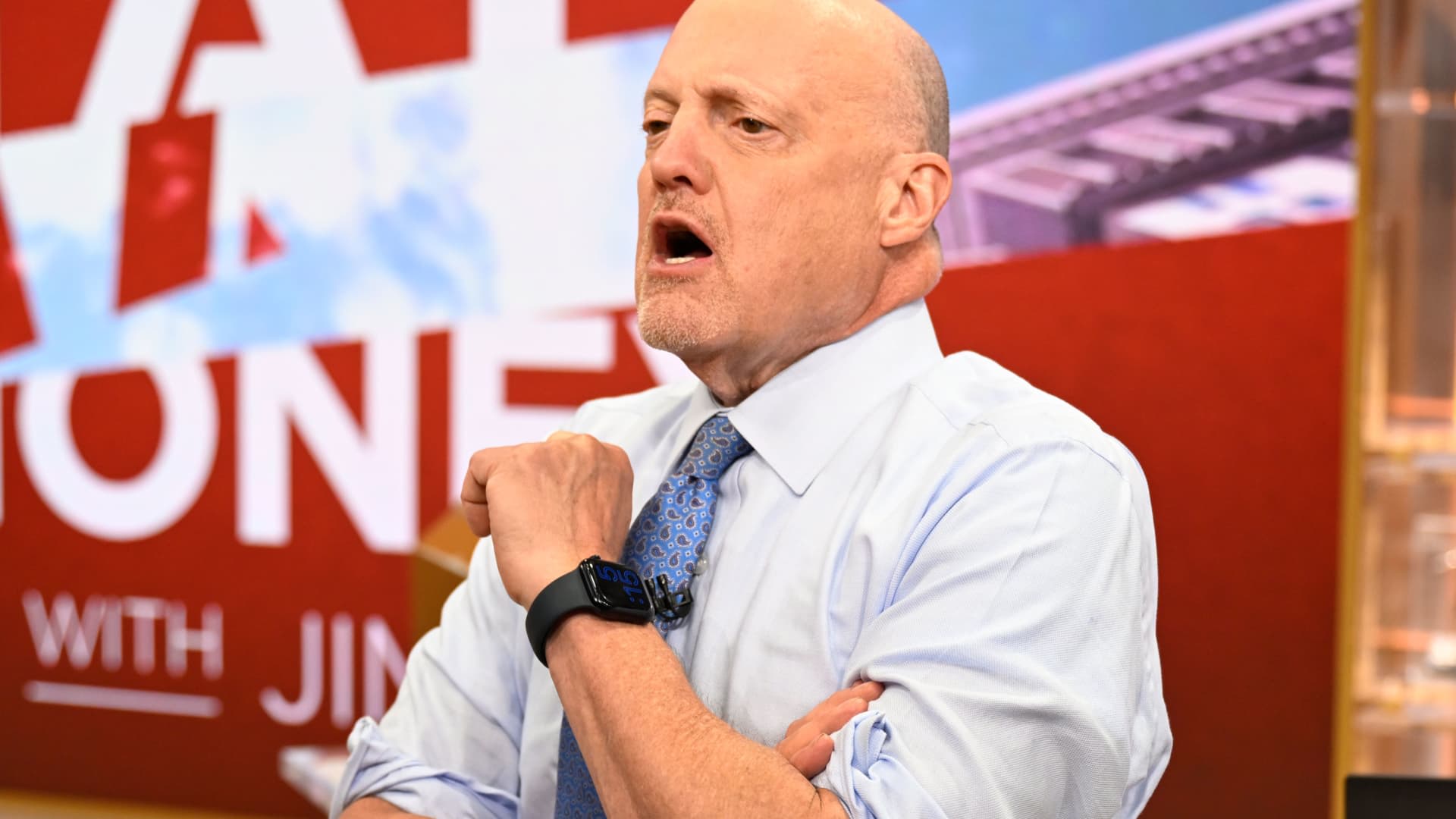
CNBC's Jim Cramer identifies the 30-year Treasury yield, currently at 5.3%, as the primary driver of recent stock market volatility. Rising yields, compounded by oil prices surpassing $100 a barrel, have created significant headwinds for equities.
The Dominance of the Long Bond
CNBC host Jim Cramer has identified a critical shift in market sentiment, centering on the 30-year Treasury yield. As this key benchmark climbs to approximately 5.3%, it has emerged as the primary force influencing equity performance. According to Cramer, investors who ignore the movement of the long bond are failing to account for the single most significant factor currently dictating market direction.
The Intersection of Inflation and Oil
The upward pressure on Treasury yields is inextricably linked to broader macroeconomic anxieties, most notably the surge in U.S. oil prices. With oil topping $100 a barrel, the market is grappling with the specter of sustained, elevated inflation. This inflationary environment, exacerbated by geopolitical instability in the Middle East, forces the bond market to adjust, as investors demand higher yields to compensate for the eroding value of fixed-income assets.
Theoretical Impact on Equities
When the 30-year Treasury yield reaches levels as high as 5.3%, it creates a challenging environment for stocks. Higher yields serve as a discount rate on future corporate earnings, effectively lowering the present value of high-growth companies. Furthermore, the rising yield acts as an alternative to equities, drawing capital away from the stock market and into the relative safety of government-backed debt, thereby squeezing liquidity across various sectors.
Historical Perspective on Market Drivers
Cramer utilized the example of Delta Air Lines to demonstrate that modern market forces are often misunderstood. Recalling his tenure at Goldman Sachs, he noted that while analysts often focus on industry-specific metrics—such as passenger load factors or fuel costs—these are often secondary to macroeconomic levers. The long bond, by dictating the cost of capital, ultimately sets the baseline valuation for companies across all sectors, regardless of their specific operational strengths.
Future Trends and Market Outlook
As long as the 30-year Treasury yield remains elevated, market volatility is likely to persist. The correlation between bond yields, oil prices, and equity prices indicates that the market is in a 'risk-off' phase. Investors should expect continued sensitivity to interest rate data and energy market fluctuations, as these variables remain the primary catalysts for institutional asset allocation strategies in the near term.
Conclusion
In summary, the current market climate is defined by a flight to yield and a deep concern over inflationary pressures. Jim Cramer's assessment underscores that the 30-year Treasury is not merely a financial metric, but the core engine room of the current stock market. Until the bond market stabilizes, equity investors will likely continue to face significant headwinds as they reconcile with the reality of higher interest rates.