New ‘Ease of doing Business’ rules will wreak havoc with residential areas, environment in J&K: Kashmir-based civil society group
Source Entity
India Latest News: Top National Headlines Today & Breaking News | The Hindu
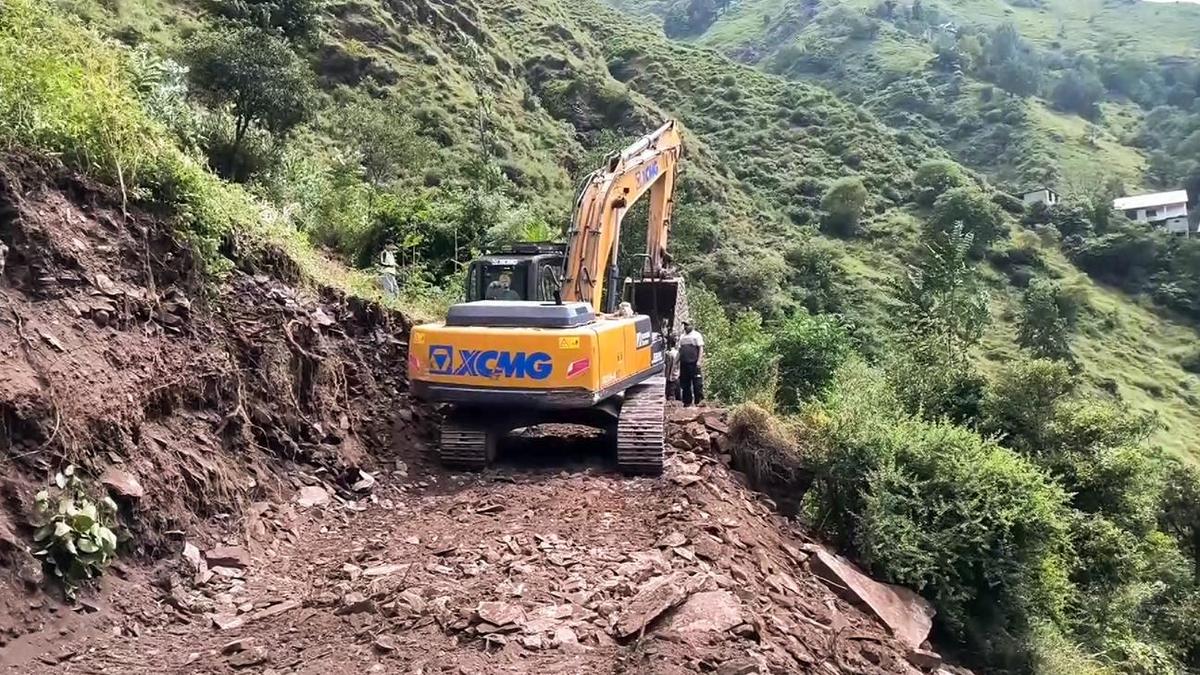
A Kashmir-based civil society group has criticized new 'Ease of Doing Business' regulations for allowing industrial activity in residential zones. They argue these rules undermine environmental safety and urban planning standards in the region.
Concerns Over Urban Planning and Industrial Deregulation in J&K
The recent announcement regarding new 'Ease of Doing Business' and 'Ease of Living' rules in Jammu and Kashmir has sparked significant apprehension among local stakeholders. The Group of Concerned Citizens, led by former IAS officer Khursheed Ganai, has issued a formal warning that these legislative shifts may fundamentally alter the socio-environmental fabric of the region. By prioritizing rapid industrial expansion, critics argue that the administration risks compromising the long-term sustainability of residential areas that were previously protected from such encroachment.
Impact on Residential Zoning and Regulatory Oversight
At the heart of the controversy are specific provisions within Schedules 2, 3, and 5 of the new regulations. These sections reportedly permit the establishment of 'white' and 'green' category industries directly within residential zones. This represents a significant departure from historical urban planning norms in the region, where industrial activity was strictly partitioned from civilian living spaces. The transition to such a model is viewed by the civil society group as a move that could erode the quality of life for residents by introducing noise, traffic, and potential pollution into historically quiet zones.
The Risks of Deregulation: Schedules 3 and 5
The concern is further amplified by the relaxation of procedural safeguards. According to the reported details, Schedule 3 eliminates the requirement for prior permission for certain industrial activities, while Schedule 5 exempts developers from obtaining No-Objection Certificates (NOCs). These regulatory rollbacks, while intended to streamline bureaucratic processes for businesses, are being interpreted as a weakening of the oversight mechanisms necessary to ensure that construction projects adhere to safety, environmental, and infrastructure standards.
Environmental and Welfare Implications
The Group of Concerned Citizens emphasizes that these rules could trigger a wave of 'feverish' and 'pervasive' construction. Given Jammu and Kashmir’s fragile ecological status, the potential for large-scale construction to overwhelm existing civic infrastructure is a major point of contention. There is a palpable fear that the environment will suffer as a result of reduced regulatory scrutiny, potentially leading to unchecked urbanization that ignores the geographical and environmental limitations of the Himalayan landscape.
Future Trends and Administrative Challenges
Looking forward, the tension between economic growth and environmental stewardship is likely to define the administrative landscape in Jammu and Kashmir. If these rules proceed without adjustment, the region may witness a shift toward a more industrialized urban core, potentially leading to increased friction between residential communities and the commercial sector. The success of these reforms will likely hinge on the government's ability to balance the 'Ease of Doing Business' mandate with the necessity of maintaining stringent environmental protections and upholding the integrity of urban residential planning.
Conclusion
In summary, the critique leveled by the Group of Concerned Citizens highlights a critical debate regarding the direction of urban development in J&K. As the administration navigates the implementation of these new rules, it faces the challenge of addressing public welfare concerns and preventing the degradation of residential environments. The coming months will be pivotal in determining whether these regulatory changes foster sustainable economic growth or lead to the urban and environmental consequences feared by civil society.
Verification Required?