J&K House Committee finds ‘irregularities’ in Jal Jeevan Mission, calls for probe
Source Entity
India Latest News: Top National Headlines Today & Breaking News | The Hindu
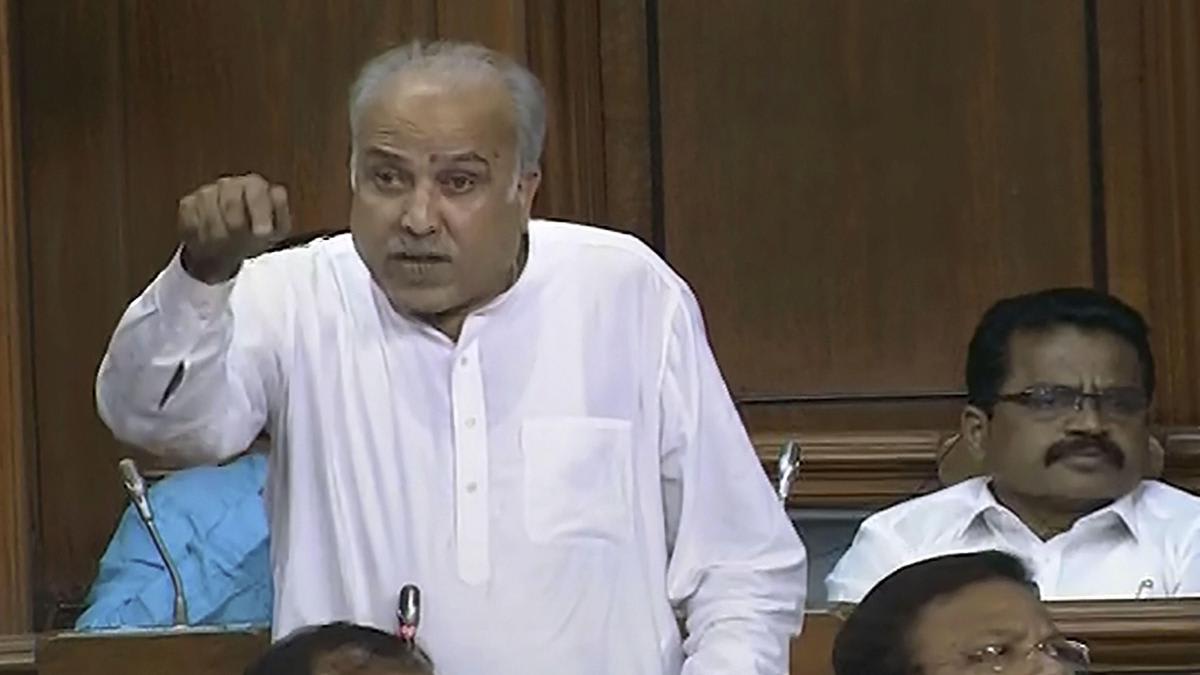
A J&K House Committee report has uncovered severe irregularities in the ₹7,000 crore Jal Jeevan Mission, revealing that 63% of water schemes are non-functional. The committee has recommended a high-level audit to address administrative negligence and systemic failures in project execution.
Investigation into J&K Jal Jeevan Mission Failures
A recently tabled report by a 13-member House committee in Jammu and Kashmir has cast a shadow over the implementation of the Jal Jeevan Mission (JJM), a flagship central government scheme aimed at providing clean drinking water to rural households. The committee, led by retired justice Hasnain Masoodi, presented its findings to the assembly on September 21, 2026, detailing a pattern of systemic failure that has left 63% of the 3,253 water supply and retrofitting schemes in the Union Territory non-operational.
Scope of Irregularities and Administrative Negligence
The report identifies "gross negligence" within the administrative machinery as the primary driver behind the mission's failure. Despite an expenditure of approximately ₹7,000 crore, the promised objectives remain largely unfulfilled. The committee highlighted that irregularities were not confined to a single area but spanned from the initial awarding of contracts to the physical laying of pipeline networks. The findings suggest that the quality of civil works was consistently substandard, rendering many projects ineffective shortly after completion.
Systemic Barriers to Success
Beyond technical failures, the report sheds light on governance gaps that hindered the mission's progress. Key issues identified include the deliberate sidelining of Panchayati Raj institutions, which are essential for grassroots monitoring, and the maintenance of inaccurate records. These administrative lapses have created a disconnect between the reported progress and the reality on the ground, where the rural population continues to face water scarcity despite the massive financial investment allocated to the project.
The Human and Social Impact
Legislator Hasnain Masoodi emphasized that the Jal Jeevan Mission holds a direct linkage with the lives of the common people, cutting across lines of religion, gender, and regional identity. By failing to deliver functional water infrastructure, the administrative machinery has effectively stalled a critical public utility service. The inability to cover the entire rural population as intended undermines the core intent of the mission, which is to provide universal access to potable water in rural areas.
Future Implications and Accountability
The committee’s recommendation for a high-level, comprehensive audit of all projects marks a significant step toward accountability. By seeking to fix responsibility on the officials and engineers involved, the report signals a shift toward stricter oversight. Moving forward, the effectiveness of these recommendations will depend on the government's willingness to pursue legal and administrative action against those found guilty of negligence, ensuring that the remaining funds are utilized with greater transparency and technical rigor.
Conclusion
The J&K House Committee report serves as a stark reminder of the challenges inherent in large-scale rural development projects. With 63% of schemes currently non-functional, the path to rectifying these errors will require not only financial audits but also a complete overhaul of the maintenance and project management protocols currently in place to restore public trust in state-led infrastructure initiatives.
Multiple Citing Sources
Verification Required?