90% of 5000 hotels built in 6 years illegal in Kashmir: J&K L-G Manoj Sinha
Source Entity
India Latest News: Top National Headlines Today & Breaking News | The Hindu
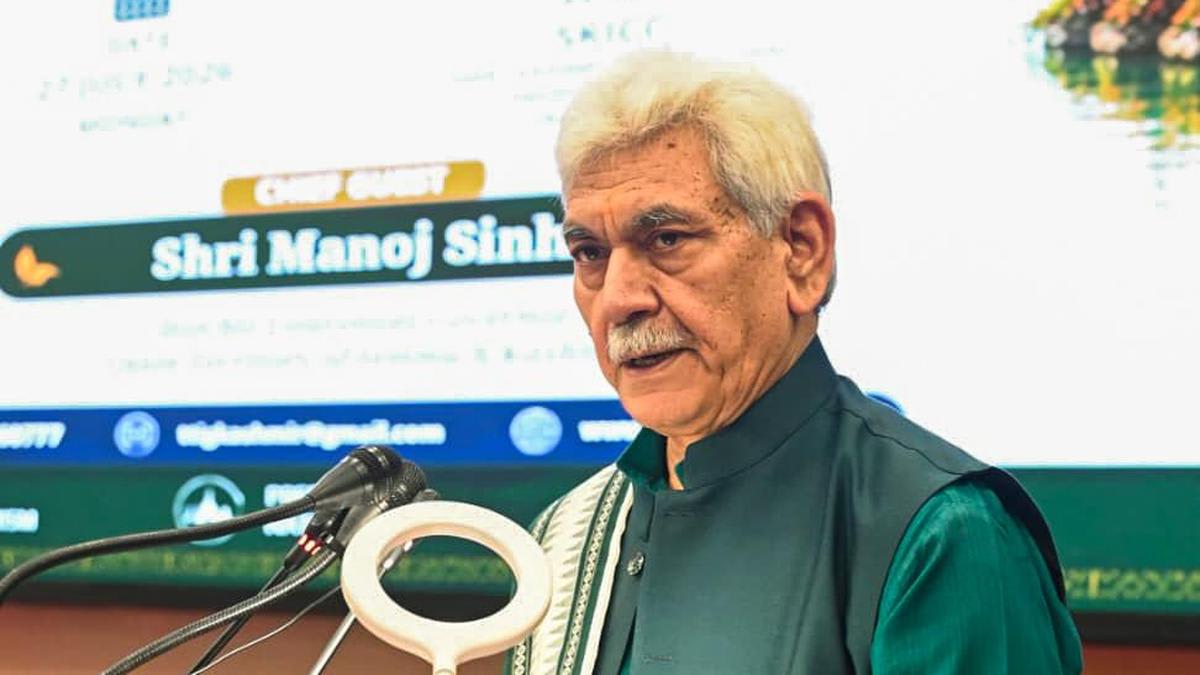
J&K L-G Manoj Sinha has revealed that 90% of 5,000 hotels built in Kashmir over the last six years are illegal. He also raised concerns regarding predatory pricing practices while highlighting the ongoing ED investigation into prominent hotelier Mushtaq Ahmad Chaya.
The Crisis of Unregulated Hospitality in Kashmir
Lieutenant Governor Manoj Sinha’s recent revelations regarding the construction of 5,000 hotels in Kashmir over the past six years have sent shockwaves through the region's tourism sector. By explicitly stating that 90% of these establishments were built illegally, the administration has brought the issue of rampant, unauthorized development to the forefront of public discourse. This disclosure underscores a significant breakdown in regulatory oversight, suggesting that the rapid expansion of tourism infrastructure has largely bypassed statutory building codes and zoning laws.
Economic Scale vs. Regulatory Compliance
While the sheer volume of construction—resulting in an investment estimated between 80,000 and 1 lakh crore—demonstrates the massive economic appetite for tourism in the valley, the L-G’s comments highlight a precarious paradox. This investment, largely driven by locals (90%) and supplemented by travel industry professionals (10%), has undoubtedly spurred growth. However, this growth appears to have been achieved at the expense of environmental and structural legality, casting a long shadow over the sustainability of the region's tourism model.
The Role of Enforcement and Accountability
Central to this controversy is the mention of prominent hotelier Mushtaq Ahmad Chaya, who currently faces scrutiny from the Enforcement Directorate (ED) under the Prevention of Money Laundering Act (PMLA). The L-G’s decision to name specific figures indicates a tightening of government scrutiny on the nexus between real estate development and potential financial irregularities. This move signals a shift toward stricter enforcement, moving beyond mere administrative warnings to formal legal investigations.
Addressing Predatory Pricing
Beyond the legality of physical structures, L-G Sinha has also flagged the issue of overpricing by local hotels. The conference on an 'Ethical approach towards tourism' served as a platform for the administration to demand greater transparency and fair pricing for visitors. The administration’s focus on ethics suggests that the current pricing model is viewed as a deterrent to long-term sustainable tourism, potentially damaging the reputation of Kashmir as a hospitable destination.
Future Trends and Regulatory Outlook
Looking ahead, the administration’s stance suggests a forthcoming period of intense regulatory cleanup. It is likely that the government will move to formalize existing structures where possible, while potentially penalizing or closing those that flagrantly violate safety and land-use regulations. Stakeholders in the tourism industry must now anticipate a more rigorous compliance environment, where the focus shifts from rapid, unchecked expansion to a more ethical, legal, and visitor-centric approach.
Conclusion
The dual challenge of widespread illegal construction and exploitative pricing represents a critical inflection point for Jammu and Kashmir. By prioritizing ethical standards and legal compliance, the administration aims to stabilize the tourism sector. The outcome of the ongoing ED investigations and the government’s next steps in addressing the 90% illegality rate will be pivotal in determining the future trajectory of the region’s hospitality industry.
Verification Required?