I co-founded Burning Man. The festival has lost its soul
Source Entity
Hacker News
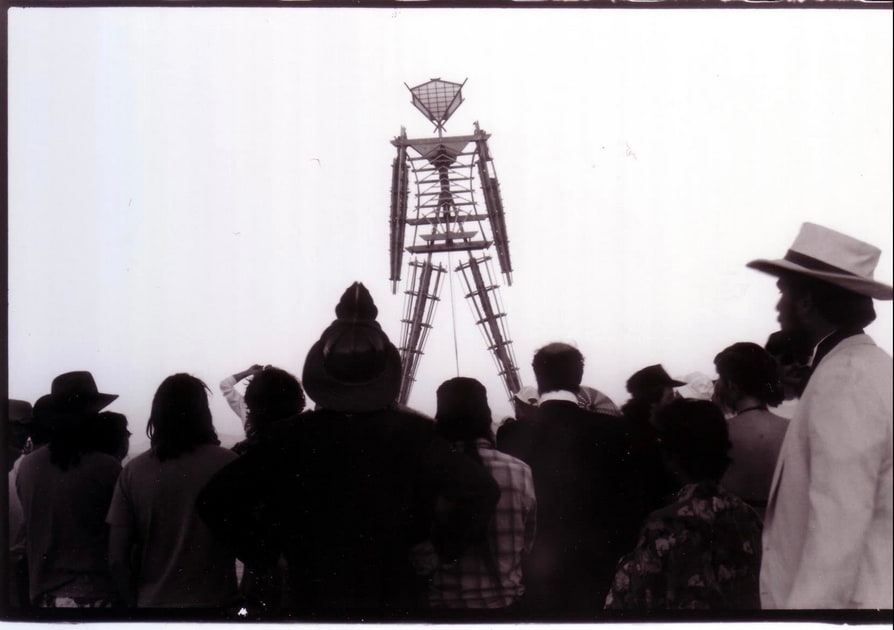
John Law, a co-founder of Burning Man, reflects on the festival's evolution 36 years after its inception. He expresses deep concerns that the event has lost its original countercultural soul since his departure in 1996.
The Evolution and Erosion of Burning Man
A Founder’s Perspective on Cultural Shift
John Law, one of the three original founders of Burning Man, has publicly voiced a critical perspective regarding the current state of the festival. Writing 36 years after the event's inception, Law notes that the cultural phenomenon he helped create in the San Francisco underground has undergone a radical transformation. Having not returned to the Black Rock Desert since 1996, his critique stems from an outsider's observation of how the event has moved away from its foundational, experimental roots.
From Pranksters to Global Phenomenon
The origin story of Burning Man is rooted in the spirit of 1980s San Francisco, where a collective of artists and pranksters utilized 'janky vehicles' and eccentric props to manifest a unique social experiment. What began as a spontaneous gathering centered around a wooden effigy in the desert evolved into a global brand. Law’s reflection highlights the tension between the festival's humble, chaotic beginnings and its current status as a highly professionalized, world-famous institution.
The Tension of Institutionalization
For many, the growth of Burning Man is a success story of scale and community building. However, for Law, this growth represents a loss of 'soul.' The transition from a fringe gathering to a massive, highly publicized event necessitates layers of management and commercial interest that inherently conflict with the original anarchic ethos. This analysis suggests that the very success of the festival has necessitated the creation of structures that alienate its foundational architects.
The Burden of Legacy
Law describes a persistent engagement with the media, noting constant inquiries from journalists, documentary crews, and podcasters. This highlights how the narrative of Burning Man has become a commodity in itself. Even after decades of silence, the founders remain tethered to the event’s public identity. This dynamic underscores the difficulty of maintaining a countercultural project once it enters the mainstream consciousness and is subjected to constant external interpretation.
Future Trends and Cultural Sustainability
As the festival continues to grapple with its identity, the discourse provided by Law serves as a reminder of the fragility of independent cultural movements. If a movement loses the core values established by its founders, it risks becoming a hollowed-out version of its former self. The future of Burning Man likely depends on whether it can reconcile its massive, modern scale with the intimate, experimental philosophy that originally drew people to the Black Rock Desert in the late 1980s.