The Rust Belt Lawmaker Leading the Fight Against Trump’s Kennedy Center Plans
Source Entity
Latest News: Todays Latest News Headlines from India & World | Hindustan Times | Hindustan Times
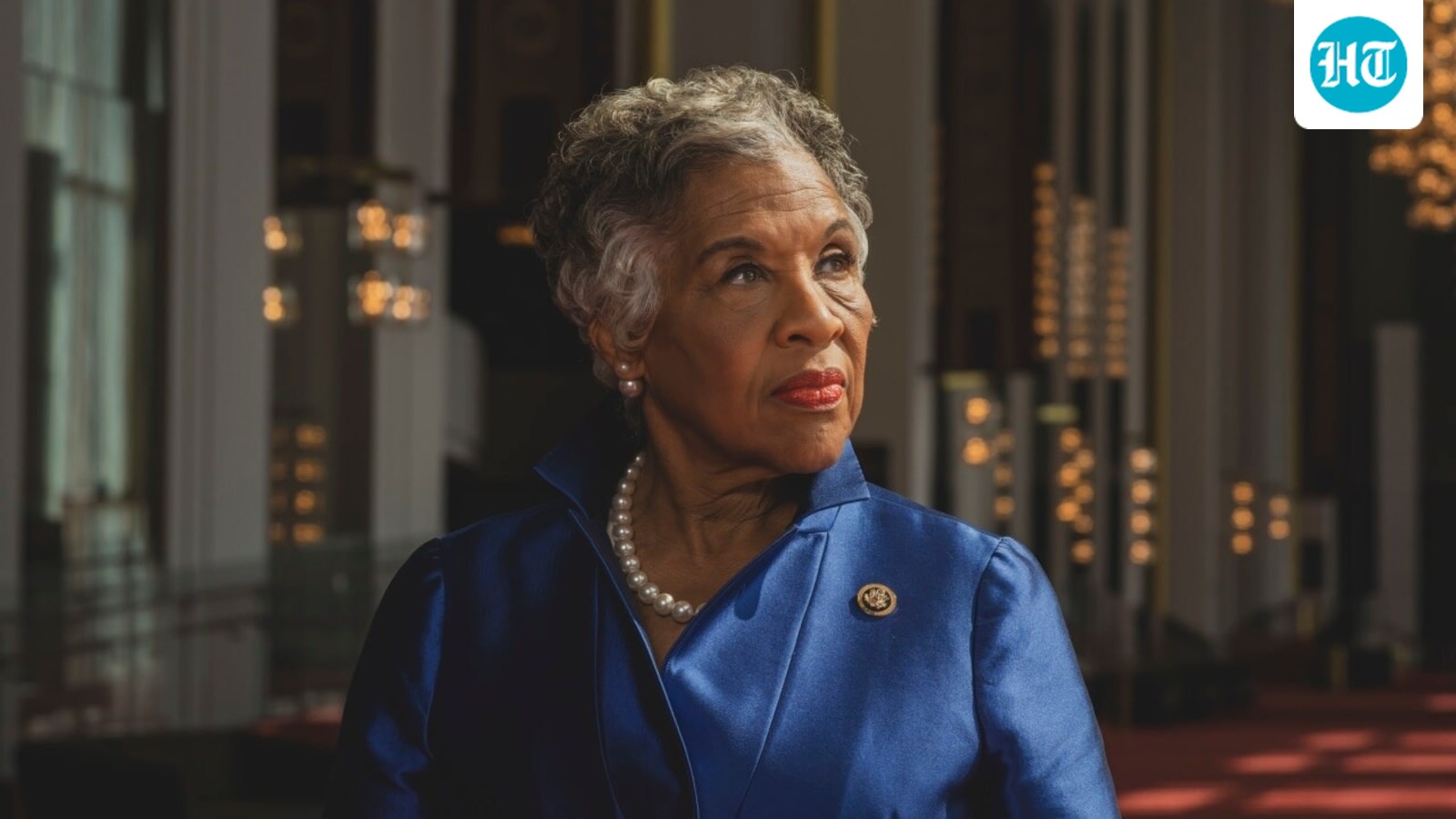
Rep. Joyce Beatty has successfully challenged President Trump in court regarding renovations at the Kennedy Center. The conflict escalated during a board meeting where the President criticized Beatty's leadership, highlighting a sharp ideological divide over the venue's future.
The Legal and Political Clash at the Kennedy Center
Representative Joyce Beatty has emerged as a central figure in a high-stakes legal and political confrontation involving the John F. Kennedy Center for the Performing Arts. By securing two consecutive court victories against President Trump concerning the future and renovation plans of the historic venue, Beatty has positioned herself as a formidable check on executive authority regarding national cultural institutions. This legal success marks a significant moment in the ongoing power struggle over the governance of federal landmarks.
Escalation in the Boardroom
The tension between the two figures reached a boiling point during a recent virtual boardroom meeting attended by approximately 30 board members. The President’s verbal assault, labeling Beatty a “destructive person” who has “never built anything,” signifies the deepening animosity between the administration and the Ohio Democrat. This public confrontation underscores how institutional governance has become a battleground for broader political hostilities, with the President framing Beatty’s opposition as a hindrance to progress.
Divergent Philosophies on Public Service
At the heart of this conflict is a fundamental disagreement over the role of a lawmaker. President Trump’s characterization of Beatty highlights a perspective that prioritizes executive-led construction and development projects. Conversely, Beatty’s retort—reminding the President of the national climate of crisis, specifically referencing war and public suffering—positions her legislative identity as one grounded in social advocacy and civil rights, rather than traditional infrastructure development.
Beatty’s History of Activism
Rep. Beatty’s role in this dispute is consistent with her established record as a vocal activist. Her background includes being pepper-sprayed while protesting the killing of George Floyd and facing arrest during a voting rights demonstration. These experiences suggest that her opposition to the President’s plans for the Kennedy Center is not an isolated bureaucratic disagreement, but an extension of her broader political strategy of challenging systemic authority and advocating for marginalized communities.
Broader Implications for Cultural Institutions
This dispute raises significant questions about the autonomy of national performing arts centers. When political figures engage in personal attacks during board proceedings, it threatens the non-partisan nature typically associated with arts funding and oversight. The reliance on the judiciary to settle these disputes suggests that the traditional mechanisms of board consensus have failed, potentially setting a precedent for increased litigation in the management of federal cultural assets.
Future Trends in Legislative Oversight
As we look forward, the relationship between legislative oversight and executive management of cultural sites will likely remain contentious. Beatty’s success in court indicates that members of Congress are increasingly willing to utilize judicial remedies to block administrative actions they view as detrimental to public interest. Whether this trend will lead to a more balanced governance model or further gridlock within national institutions remains a critical area to monitor as the political landscape continues to polarize.
Verification Required?