Midterm voters are overwhelmingly worried about the national debt. But only small fixes are expected this year.
Source Entity
Victor Reklaitis
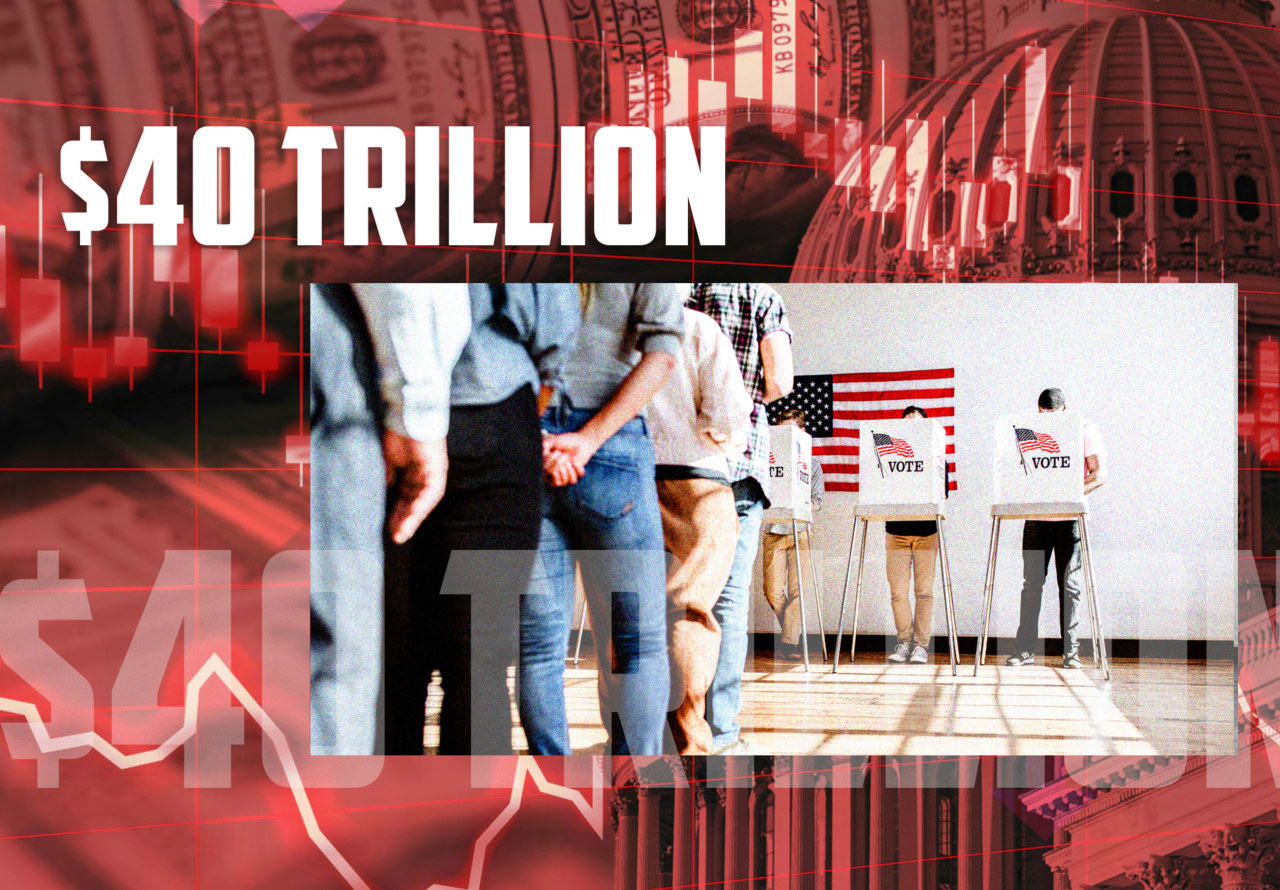
Midterm voters are expressing deep concern over the rising national debt, viewing it as a sign of systemic economic instability. Despite this public anxiety, political analysts anticipate only minor, incremental policy adjustments in the near term.
The National Debt: A Looming Voter Concern
As the midterm election cycle intensifies, a pervasive sense of unease has gripped the American electorate. Watchdog groups tracking voter sentiment report that a significant portion of the population feels that "something’s wrong" regarding the trajectory of the national economy. At the heart of this anxiety lies the national debt, which has become a primary focal point for voters who perceive fiscal profligacy as a threat to long-term national stability and personal financial security.
The Disconnect Between Rhetoric and Reality
While the national debt serves as a potent rallying cry on the campaign trail, there is a stark disconnect between the intensity of voter concern and the legislative reality. Political observers note that while candidates frequently acknowledge the debt, they often shy away from the structural reforms required to address it. This hesitation is largely driven by the political cost of proposing tax increases or significant cuts to popular entitlement programs, both of which are central to the fiscal debate.
Why Only 'Small Fixes' Are Expected
Given the current hyper-partisan environment, the likelihood of a comprehensive fiscal overhaul is slim. Lawmakers are currently operating under a framework that favors short-term electoral wins over long-term structural adjustments. Consequently, analysts predict that Congress will focus on "small fixes"—incremental budget adjustments or narrow legislative tweaks—rather than tackling the systemic drivers of debt such as mandatory spending and demographic shifts in social safety nets.
The Broader Economic Implications
The public's growing preoccupation with the debt is symptomatic of a broader malaise regarding economic management. When voters express that "something’s wrong," they are often reflecting on the interplay between inflation, interest rates, and the government's ability to borrow. As the national debt continues to climb, the fiscal space for the government to respond to future crises or fund essential services becomes increasingly constrained, potentially leading to higher borrowing costs and reduced economic flexibility.
Historical Context and Future Trends
Historically, the national debt has oscillated between being a central election issue and a secondary concern, depending on the prevailing economic conditions. However, the current level of public discourse suggests that the debt is becoming a permanent fixture of voter dissatisfaction. Looking ahead, if policymakers continue to prioritize minor adjustments over meaningful reform, the gap between public expectations and political outcomes may widen, potentially fueling further cynicism toward federal governance and economic policy.
Conclusion: A Cycle of Incrementalism
Ultimately, the midterm election highlights a fundamental tension: voters are demanding substantial fiscal responsibility, yet the political system is built to avoid the drastic measures required to achieve it. While the focus on the debt brings necessary attention to fiscal health, the expectation of only minor fixes suggests that the status quo will likely persist. For the average voter, this ensures that the underlying sense of unease regarding the nation's financial future will likely remain unresolved well beyond the current election cycle.
Verification Required?