'We simply don't know' - JP Morgan struggling to forecast oil prices due to Trump's war with Iran
Source Entity
BBC News
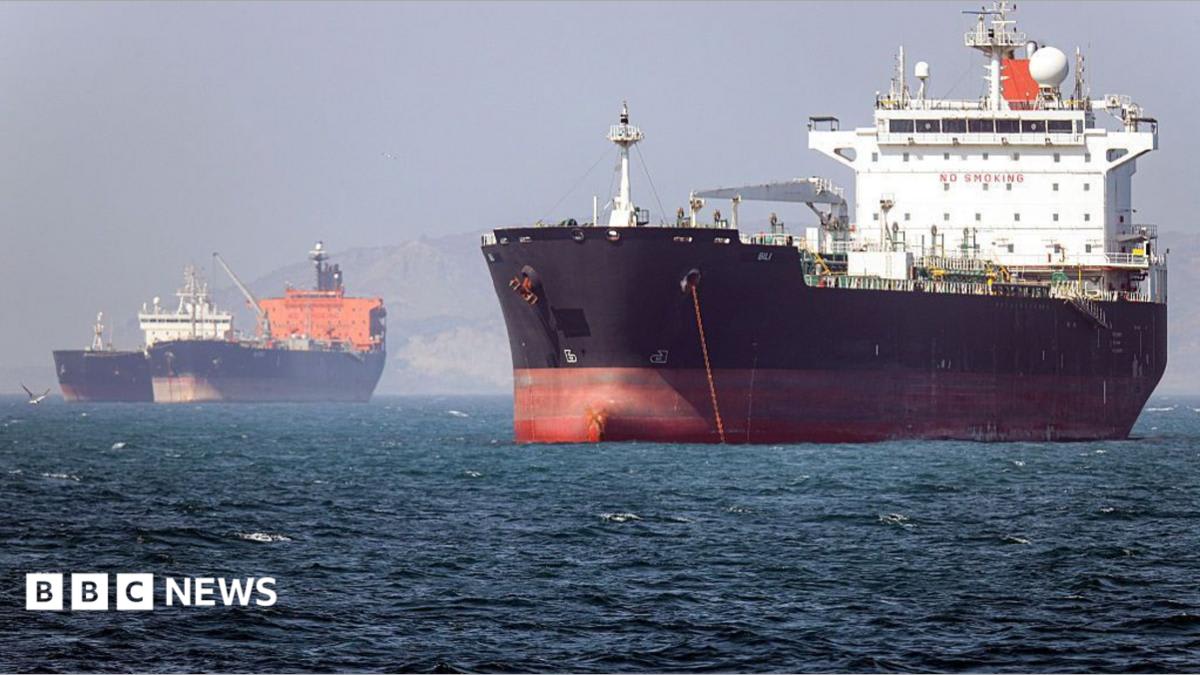
JP Morgan has admitted it cannot accurately forecast oil prices amid the ongoing US-Iran conflict. Analysts are struggling to model the situation after initial assumptions regarding economic 'red lines' failed to materialize.
Market Uncertainty in the Shadow of Geopolitical Conflict
JP Morgan, a titan in the global financial sector, has issued a remarkably candid admission regarding its inability to forecast oil market trajectories amid the escalating conflict between the United States and Iran. In a rare communication to investors, the firm explicitly stated, "we simply don't know how to model the endgame," highlighting the profound disconnect between traditional economic modeling and the unpredictable nature of modern geopolitical warfare.
The Failure of Economic 'Red Lines'
At the onset of the conflict, analysts at the bank operated under the assumption that the Trump administration would adhere to specific economic 'red lines' to prevent domestic instability. These thresholds included oil prices breaching the $100 per barrel mark, national inflation climbing to 4%, gasoline prices exceeding $5 per gallon, and 10-year government bond yields hitting 5%. The bank previously conjectured that once these markers were approached, diplomatic pressure would force a deal to reopen the critical Strait of Hormuz shipping lane—an event they had anticipated would occur as early as June.
The Strait of Hormuz and Global Supply Chains
The Strait of Hormuz serves as one of the world's most critical maritime chokepoints, through which a significant percentage of the global oil supply passes daily. The bank's inability to model a resolution for this passage reflects the broader market anxiety regarding supply chain disruptions. When major financial institutions lose the ability to project outcomes, it signals that the market has entered a phase of high volatility where historical precedents no longer serve as reliable guides for risk assessment.
Institutional Vulnerability to Unpredictability
It is significant for a firm of JP Morgan's stature to acknowledge a forecasting breakdown. In the world of high finance, institutional credibility is built on the ability to anticipate market movements. By admitting that their models are currently ineffective, the bank is essentially telling investors that the geopolitical variables in the US-Iran conflict have overridden standard macroeconomic indicators. This transparency, while jarring, serves as a stark warning to the broader investment community about the limitations of quantitative analysis in the face of escalating military and economic brinkmanship.
Future Trends and Market Sentiment
The current atmosphere of uncertainty suggests that markets will remain 'on edge' for the foreseeable future. As long as the 'endgame' remains undefined by policy makers, investors should expect continued fluctuations in energy prices. Moving forward, the reliance on rigid economic models may give way to more scenario-based, qualitative analysis, as traditional metrics fail to capture the reality of a conflict that defies conventional economic constraints.