Why JP Nadda met anti-reservation protesters, and what BJP wants
Source Entity
Lalmani Verma, Liz Mathew, Jatin Anand
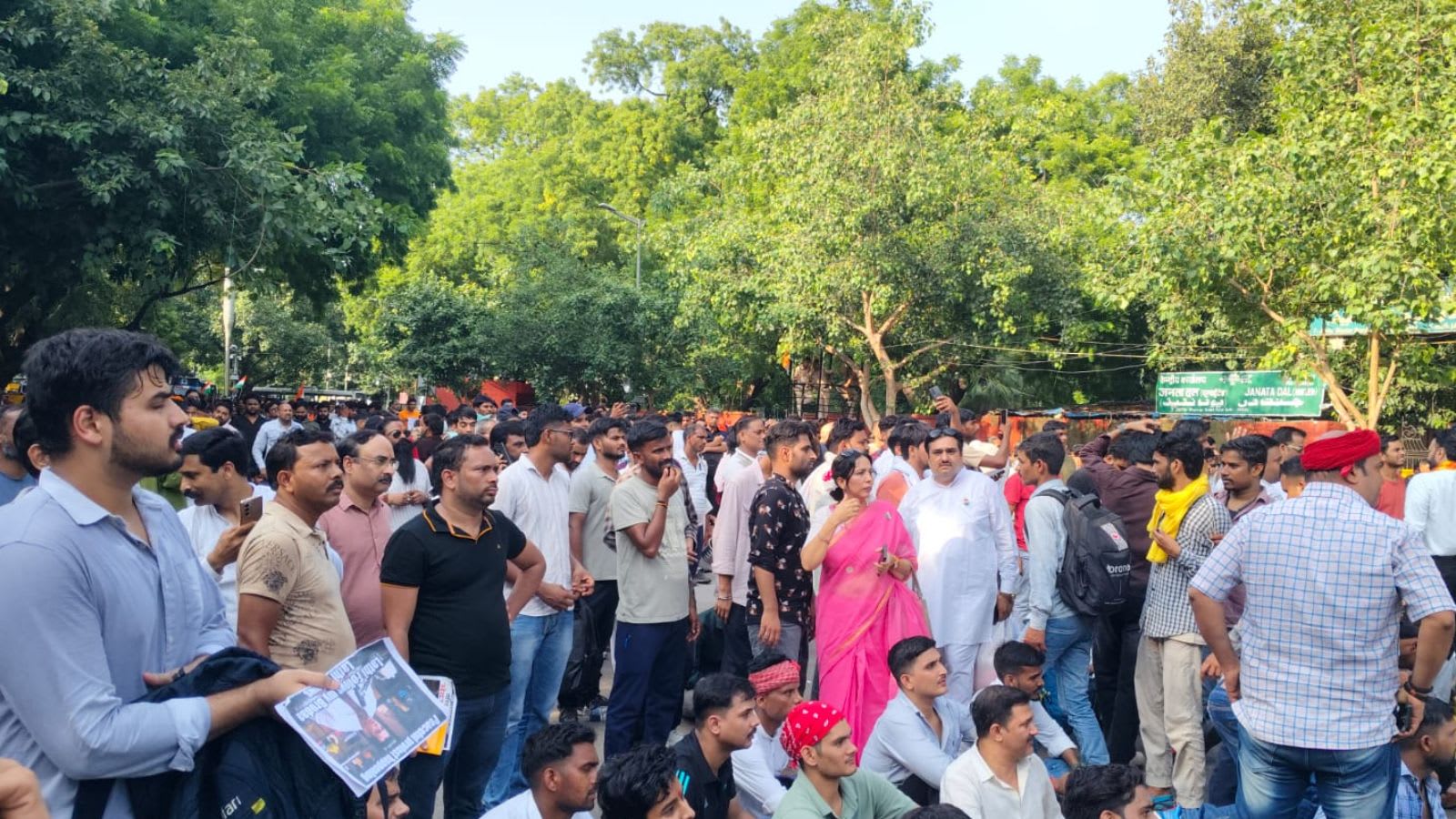
Union Minister JP Nadda held discussions with a delegation from the 'Reservation Hatao Andolan' regarding their demands for economic-based quotas. The meeting has sparked internal controversy within the movement, with some leaders labeling the delegation as government-aligned.
The Evolving Discourse on Reservation Policy in India
The recent meeting between Union Minister JP Nadda and a delegation representing the 'Reservation Hatao Andolan' (RHA) marks a significant moment in the ongoing national debate regarding India's affirmative action framework. Following a protest at Jantar Mantar on August 21, where demonstrators advocated for shifting from caste-based to economic-based reservation criteria, the government has begun direct engagement with these stakeholders. This interaction underscores the sensitivity of the quota system in the Indian political landscape.
The Mechanics of Engagement
The dialogue, described by Nadda as 'cordial,' follows a strategic path initiated by Uttar Pradesh Deputy Chief Minister Brajesh Pathak. By facilitating a meeting between the protesters and the Union leadership, the BJP is positioning itself as a party willing to listen to diverse viewpoints regarding social justice policies. This move is particularly notable given the historical weight of reservation policies, which have long been a cornerstone of India's social welfare and political mobilization efforts.
Internal Factions and Credibility Challenges
However, the meeting has not been without controversy. The delegation, led by NEET aspirant Harsh Dubey, has faced skepticism from other factions within the Reservation Hatao Andolan. Critics within the movement have labeled the delegation a 'government plant,' suggesting that the meeting may be an attempt to manage or dilute the momentum of the protests. The dissent highlights a growing rift within the movement, where some participants are questioning the authenticity of the leadership that represented them before the Union Minister.
Political Implications for the BJP
The BJP’s decision to meet with the protesters carries broader political implications. By engaging with groups calling for 'quota reforms,' the party is navigating a complex electoral terrain. While the party must maintain its commitment to social equity, it is also acknowledging a segment of the population that feels marginalized by current caste-based criteria. The ambiguity surrounding the specific goals of the movement—and the government's cautious approach—suggests a delicate balancing act as the party addresses shifting public sentiment.
Historical Context and Future Trends
Historically, the reservation system has been a mechanism to rectify deep-seated socio-economic disparities. Calls for shifting to economic criteria represent a significant shift in the discourse, moving away from identity-based politics toward a class-based economic model. As this movement continues, the government will likely face pressure to clarify its stance on whether it intends to pursue structural reforms or maintain the status quo. The future of the Reservation Hatao Andolan will depend on its ability to resolve internal divisions and present a unified front to the central government.
Conclusion
The meeting between JP Nadda and the RHA delegation is a clear indicator that the debate over reservation policy is intensifying. Whether this leads to concrete policy shifts or remains a tactical engagement to address public dissatisfaction remains to be seen. As the discourse evolves, the intersection of economic reform and social justice will continue to be a defining challenge for political parties across the spectrum.