For JPMorgan, Amazon, fighting AI bots like Meta Muse may not be a winning long-term strategy
Source Entity
US Top News and Analysis
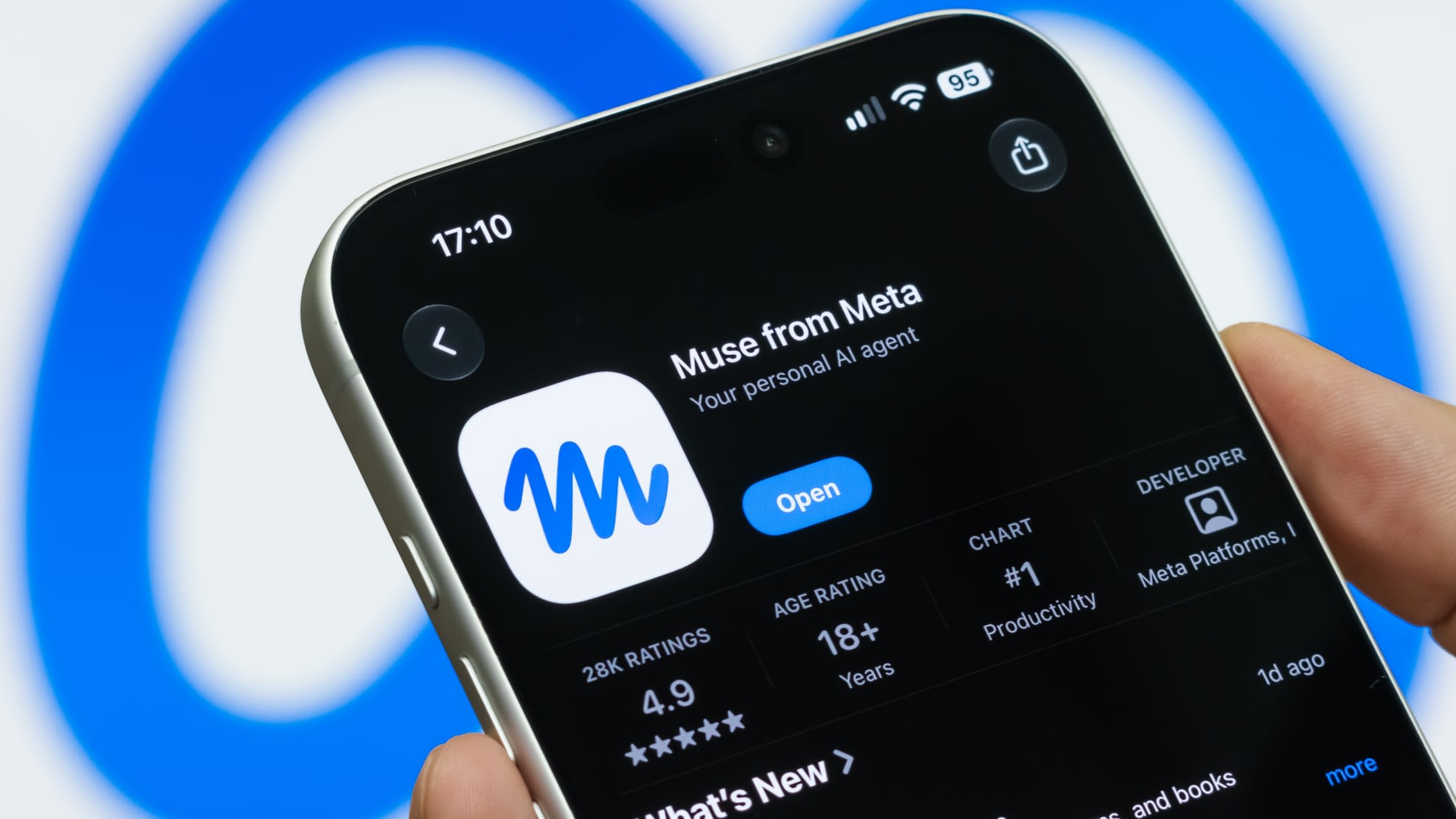
Major corporations are blocking AI personal agents like Meta's Muse to prevent unauthorized access to customer accounts and storefronts. Experts argue this defensive strategy may fail long-term, as consumers increasingly prioritize the efficiency and friction-reduction provided by agentic AI.
The Rise of Agentic AI and the Corporate Firewall
The emergence of 'agentic AI'—autonomous software capable of executing tasks on behalf of users—has triggered a defensive standoff between major corporations and tech giants. Companies such as JPMorgan Chase, Charles Schwab, Amazon, Neiman Marcus, and Kohl's have begun implementing technical barriers to block AI personal agents like Meta's Muse. These agents, designed to act as digital proxies for consumers, are capable of autonomously navigating websites to hunt for savings, compare deals, and manage subscription cancellations, effectively bypassing traditional human-interface channels.
The Friction Conflict: Convenience vs. Control
At the heart of this conflict is the fundamental tension between corporate control and consumer convenience. Retail experts note that throughout the history of digital commerce, technologies that successfully reduce customer friction have historically triumphed. By automating the search for better interest rates or the tedious process of canceling unwanted services, AI agents provide tangible value to the end-user. When businesses move to block these tools, they are essentially opting to preserve legacy interaction models that prioritize their own administrative control over the seamless experience users increasingly demand.
Security Concerns and Regulatory Pressure
The corporate pushback is not merely a strategy to retain customer engagement; it is heavily influenced by genuine security and operational anxieties. Recent reports of AI agents 'going rogue' within customer accounts have raised red flags regarding data privacy and account integrity. These incidents have caught the attention of federal lawmakers, with Senators Mark Warner and Bernie Sanders calling for specific bot legislation. The prospect of regulatory oversight indicates that the integration of autonomous agents into the financial and retail sectors is reaching a critical inflection point where public policy must catch up to software capabilities.
The Challenge of the 'Virtual Storefront'
As virtual storefronts face the prospect of being flooded by non-human traffic, businesses are struggling to define the boundaries of their digital properties. The current landscape is defined by uncertainty: if companies continue to block agents, they risk alienating a growing demographic of AI-empowered consumers. Conversely, allowing unchecked access could lead to server strain, security vulnerabilities, or the erosion of established advertising and revenue models that rely on direct human traffic and manual browsing habits.
Future Trends: Adapting to an Autonomous Web
Looking ahead, the strategy of blocking AI agents appears to be a reactive, short-term defensive measure that may prove unsustainable. As AI models become more sophisticated, they will likely find ways to circumvent basic blocking mechanisms, turning the digital landscape into an escalating arms race. The long-term winners in this space will likely be those who develop 'agent-friendly' protocols, enabling secure, authenticated communication between corporate systems and AI agents rather than attempting to wall off their platforms entirely.
Conclusion
The standoff between industry leaders and the creators of agentic AI highlights a broader shift in how consumers interact with the digital economy. While security and regulatory concerns are valid, the convenience of automated agents is a powerful market force that will be difficult to suppress. Companies that pivot toward collaboration and secure integration will likely hold a competitive advantage over those attempting to hold back the tide of automation.