Junior doctors protest at Osmania General Hospital over deficient facilities, non-functional medical equipment
Source Entity
India Latest News: Top National Headlines Today & Breaking News | The Hindu
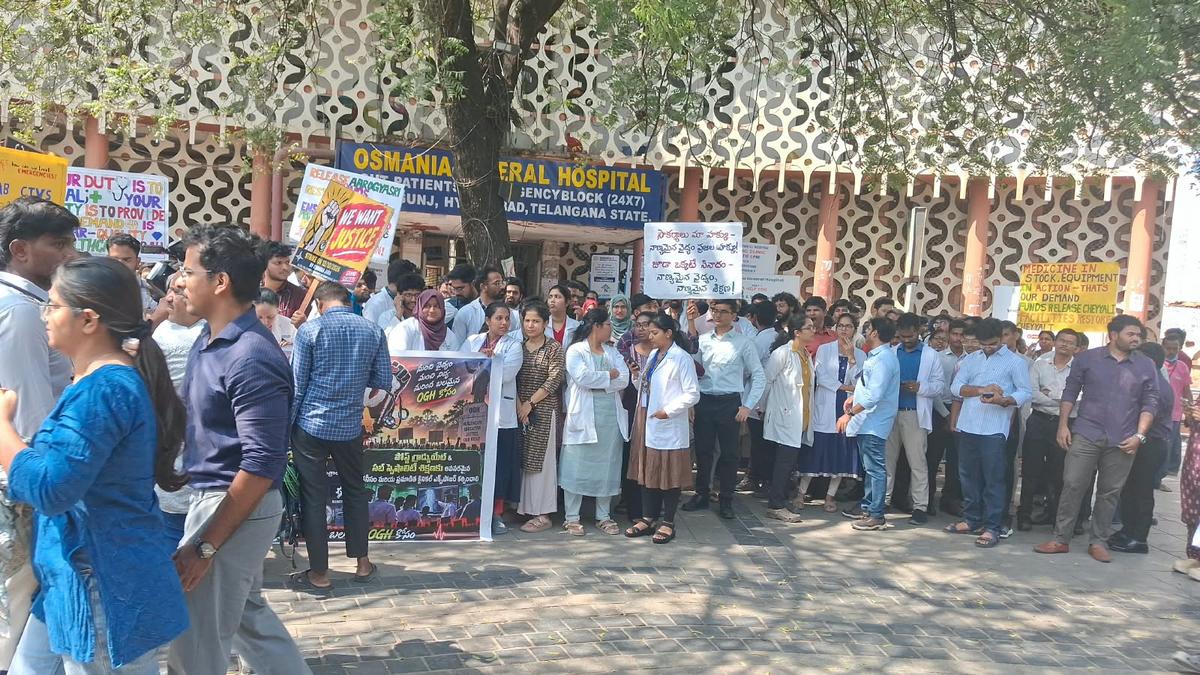
Junior doctors at Hyderabad's Osmania General Hospital staged a protest on October 12, 2026, over severe infrastructure deficits. Key medical equipment, including ventilators and diagnostic tools, remain non-functional, hindering both patient care and clinical training.
Crisis in Care: Junior Doctors Protest at Osmania General Hospital
On Monday, October 12, 2026, the medical community at Osmania General Hospital (OGH) in Hyderabad took a stand against the systemic deterioration of hospital infrastructure. Junior doctors, led by the Osmania Medical College Junior Doctors Association (OMC JUDA), organized a five-hour protest from 9 a.m. to 2 p.m. to highlight the critical state of medical facilities that are currently failing to meet the basic requirements for patient treatment and academic training.
The Impact of Non-Functional Infrastructure
At the heart of the protest is a severe lack of operational medical equipment, which directly impacts the hospital's ability to provide life-saving interventions. According to N. Chandrakanth Reddy, president of OMC JUDA, the facility is suffering from a prolonged period of neglect regarding essential machinery. The list of non-functional equipment is extensive, ranging from basic diagnostic tools like X-ray and endoscopy machines to advanced life-support systems such as ventilators and the hospital’s catheterisation laboratory.
Challenges to Clinical Training and Patient Safety
For junior doctors, the inability to access functioning diagnostic equipment is not merely an inconvenience; it represents a significant barrier to their clinical education. Medical training relies heavily on hands-on experience with modern technology, and when essential tools remain broken for months, the quality of medical education is compromised. Furthermore, patients at OGH are being denied timely and accurate diagnostics, forcing them to seek alternatives or wait for repairs that have yet to materialize.
A Breakdown in Administrative Communication
Despite the gravity of the situation, the frustration among the medical staff is compounded by a perceived lack of administrative urgency. Mr. Reddy noted that the association had previously engaged in discussions with the Health Secretary to address these grievances. However, the lack of concrete assurances or a clear timeline for repairs has left the doctors feeling ignored, ultimately prompting the public demonstration as a last resort to demand accountability.
Broader Implications for Public Health
Osmania General Hospital serves as a critical healthcare hub in the region, and the failure of its primary infrastructure has wider implications for the public health landscape in Hyderabad. When a tertiary care center struggles with basic equipment maintenance, it places an undue burden on other public and private healthcare facilities. This cycle of neglect highlights the need for a more robust and responsive maintenance framework within the state's public health system to ensure that essential medical services remain uninterrupted.
The Path Forward
As the protest concludes, the ball remains in the court of the state health authorities to provide a tangible solution. The demands of the junior doctors are clear: immediate investment in repairing non-functional diagnostics and a commitment to maintaining the operational status of critical care units. Without swift intervention, the situation at OGH threatens to further deteriorate, potentially leading to long-term consequences for both the medical staff's morale and the patients who rely on these services for survival.
Verification Required?