Is your home senior-friendly? 3 interior design priorities for safety, comfort and independence
Source Entity
Latest News: Todays Latest News Headlines from India & World | Hindustan Times | Hindustan Times
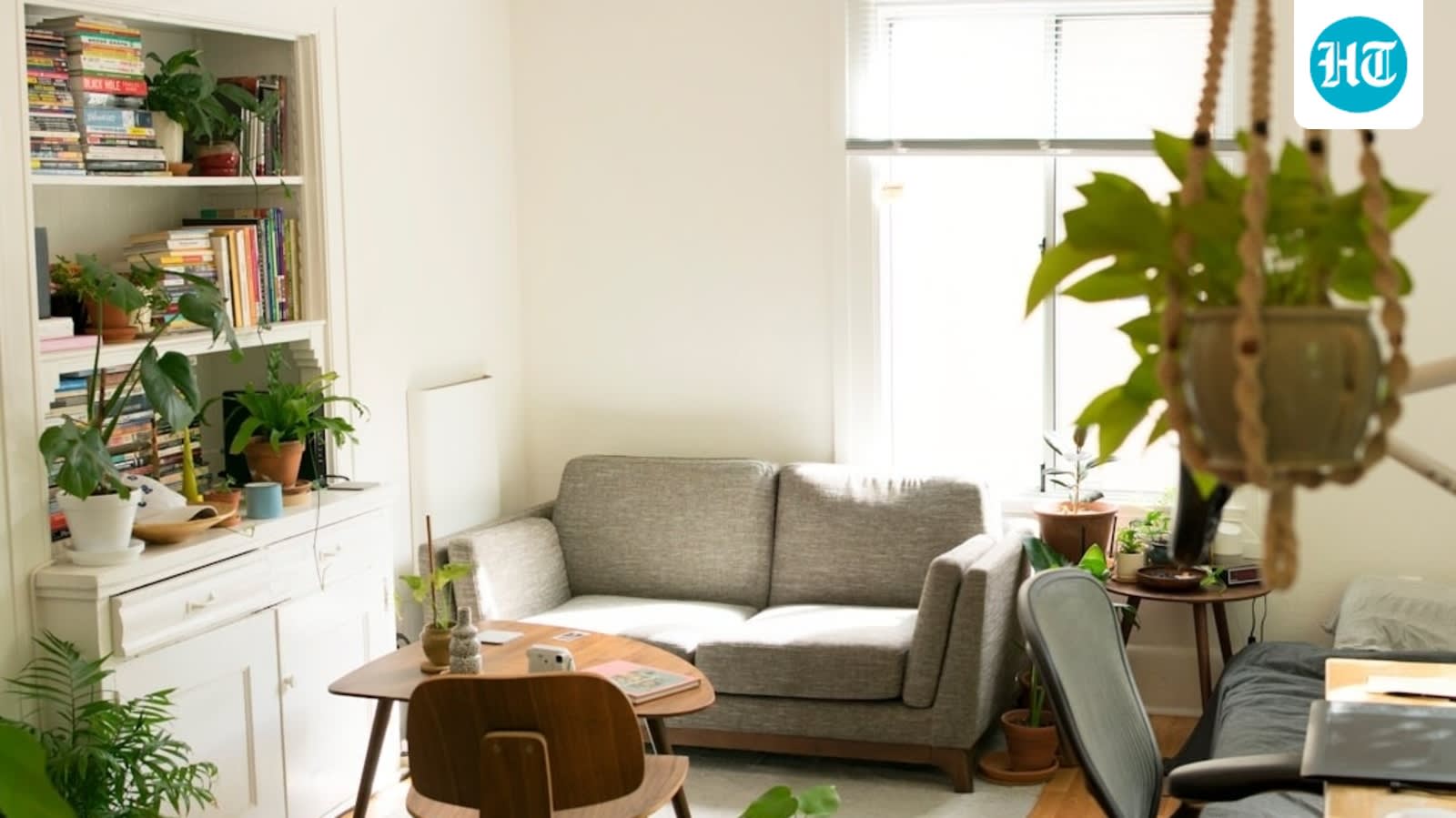
Designing senior-friendly homes is essential to support the mobility, independence, and safety of older adults. Experts emphasize prioritizing accessibility in interior design to accommodate the specific physical needs of aging residents.
Designing for Dignity: The Shift Toward Senior-Friendly Interiors
As the global population ages, the intersection of interior design and geriatric care has become a critical focal point for homeowners and architects alike. Creating a home environment that accounts for the physical realities of aging is no longer just a luxury; it is a necessity for maintaining the quality of life. The core challenge lies in transforming standard living spaces into zones of accessibility, where mobility issues—ranging from difficulty exiting a bed to navigating tight hallways—do not become insurmountable obstacles to daily independence.
The Pillars of Senior-Centric Design
According to industry experts like Saumyajit Roy of Emoha and Shremoha, the shift toward senior-friendly interiors must be grounded in three primary pillars: safety, accessibility, and comfort. When interiors are not thoughtfully planned, simple tasks like walking to the bathroom or moving through common areas can become high-risk activities. By integrating specific structural modifications, homeowners can mitigate the risk of falls and reduce the physical strain on aging joints and muscles, thereby fostering a sense of autonomy.
Addressing Mobility and Spatial Flow
Accessibility is the cornerstone of longevity-focused living. This involves a comprehensive audit of how an older adult interacts with their immediate surroundings. Key considerations include the height and stability of furniture, the presence of clear, obstruction-free pathways, and the installation of supportive infrastructure in high-traffic areas such as the bathroom. When we design for the elderly, we are essentially designing for a future version of ourselves, ensuring that the home remains a sanctuary rather than a source of frustration.
The Broader Implications for Aging in Place
'Aging in place' is a growing trend that prioritizes keeping seniors in their own homes for as long as possible, rather than transitioning to institutional care. The design of one's home environment is the most significant factor in the success of this model. By proactively addressing mobility challenges through professional interior planning, families can delay the need for assisted living facilities, providing seniors with the psychological comfort of remaining in a familiar, personalized environment.
Future Trends and Conclusion
As we look forward, the integration of smart home technology and ergonomic design will likely play an even larger role in senior living. The current emphasis on safety and accessibility is only the beginning of a broader movement toward 'longevity-focused' architecture. By prioritizing these design elements today, we create a sustainable living framework that supports the physical, mental, and emotional well-being of older adults, ensuring they can lead independent and dignified lives within the comfort of their own homes.
Verification Required?