Dissenters like Umar Khalid jailed, killers walk free: Ex-Delhi HC judge
Source Entity
Latest News: Todays Latest News Headlines from India & World | Hindustan Times | Hindustan Times
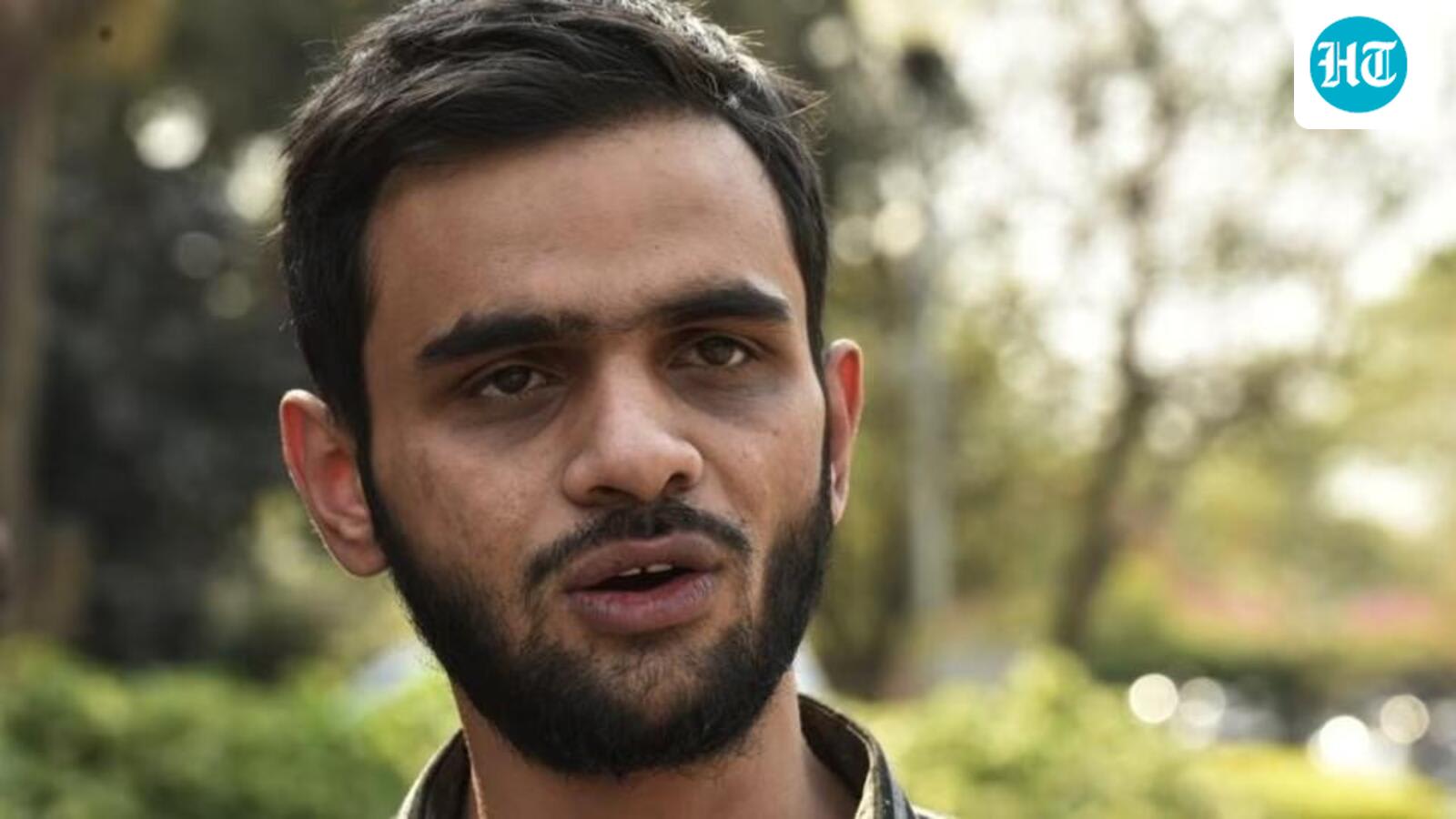
Former Delhi HC Chief Justice A.P. Shah has criticized the ongoing incarceration of activist Umar Khalid, citing it as an example of using legal tools to silence political dissent. He expressed concern over the shrinking number of independent-minded judges and the erosion of civil liberties in India.
The Erosion of Dissent: Justice A.P. Shah's Critical Assessment
Former Delhi High Court Chief Justice A.P. Shah has sparked a significant discourse regarding the state of India’s judicial integrity and civil liberties. Speaking at an event organized by the Goa High Court Bar Association, Justice Shah highlighted the ongoing detention of activist Umar Khalid as a primary indicator of a broader systemic issue. Khalid, who has been held under the Unlawful Activities Prevention Act (UAPA) in connection with the 2020 Delhi riots, has remained in custody for an extensive period without trial, a situation Justice Shah characterizes as the silencing of a 'political dissenter.'
The Weaponization of Legal Frameworks
Justice Shah argues that the current legal landscape is being utilized to suppress activism. He noted that the state frequently employs various laws and police actions, such as FIRs and physical force, against youth who engage in political protest or demand accountability from public officials. This assertion points to a perceived trend where the machinery of the state is increasingly directed toward those who challenge the status quo, effectively creating a chilling effect on freedom of expression and political participation.
The Shrinking Space for Judicial Independence
Perhaps the most alarming aspect of Justice Shah’s critique is his observation that the number of 'independent-minded judges' in India is dwindling. While he acknowledges that such judges still exist, his concern rests on the implications of a judiciary that may be less inclined to act as a robust check on executive power. This sentiment touches upon the foundational role of the judiciary in a democracy—to protect the constitutional rights of citizens against potential overreach by the state.
Historical Precedents and Democratic Ideals
Reflecting on the legacy of Justice H.R. Khanna, in whose memory the lecture series was organized, Justice Shah invoked the historical commitment of the Supreme Court to free speech. He emphasized that the court has traditionally held that political discussion is essential for public education and the functioning of a healthy democracy. By highlighting this history, he draws a sharp contrast between past judicial philosophies and the current climate, where tolerance for a diversity of viewpoints appears to be under significant strain.
Broader Implications for Civil Society
The implications of these remarks are profound. If the legal system is perceived to prioritize the detention of dissenters while allowing other offenders to walk free, the public trust in the rule of law may be irrevocably damaged. Justice Shah’s warning serves as a call to action for the legal fraternity to uphold the values of tolerance and democratic expression that are necessary to sustain a pluralistic society. As the judiciary navigates these challenges, the discourse surrounding cases like that of Umar Khalid will likely remain a focal point for debates on human rights and the future of Indian democracy.
Multiple Citing Sources
Verification Required?