Los Angeles fashion label lists saree as ‘draped maxi dress’, sells it for ₹26,000. Internet is furious
Source Entity
Latest News: Todays Latest News Headlines from India & World | Hindustan Times | Hindustan Times
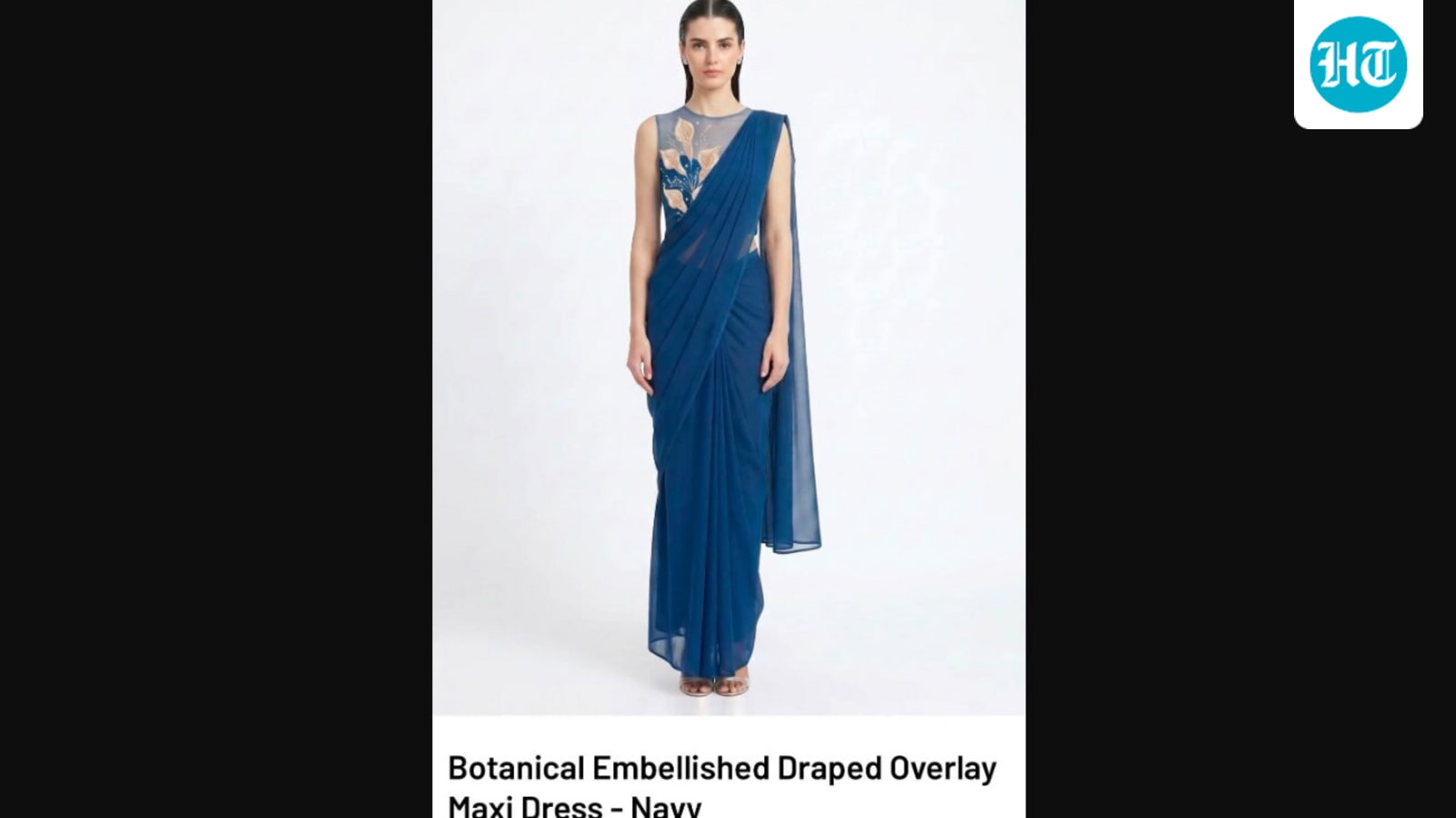
A Los Angeles-based fashion label, JW PEI, faced significant online backlash for marketing a traditional Indian saree as a 'maxi dress.' Following widespread criticism regarding cultural appropriation, the brand updated the listing to 'saree-inspired gown.'
The Controversy of Cultural Erasure in Global Fashion
Recent events involving the Los Angeles-based fashion label JW PEI have ignited a fierce debate regarding cultural appropriation versus appreciation in the global fashion industry. The brand initially listed a semi-sheer, pre-draped navy blue garment—featuring the unmistakable waist pleats and cascading pallu of a traditional Indian saree—as a “Botanical Embellished Draped Overlay Maxi Dress.” Priced at approximately €199,95 (roughly ₹26,000), the listing stripped the garment of its South Asian heritage, prompting immediate and widespread condemnation from social media users and fashion influencers.
The Impact of Social Media Activism
The incident gained significant traction after a Threads user and content creator Arshia Moorjani highlighted the erasure, sparking a viral conversation about how heritage clothing is often rebranded for Western markets to increase its perceived value or accessibility. The backlash was swift, with critics arguing that renaming a saree as a “maxi dress” is a form of cultural extraction. By removing the cultural context, the brand was accused of ignoring the historical and social significance of the saree, which is a staple of South Asian identity, while simultaneously profiting from its design elements.
Defining Cultural Appropriation vs. Appreciation
The core of the controversy lies in the distinction between honoring a culture and commodifying it. When a brand markets a traditional garment without acknowledging its origins, it effectively erases the history of the marginalized communities that created it. Social media users pointed out that this practice is particularly painful when done by brands that may otherwise claim to value diversity. The outcry served as a powerful reminder that global consumers are increasingly vigilant about the ethics of fashion production and the importance of giving credit where it is due.
Corporate Response and Brand Reputation
In response to the relentless pressure from creators, media outlets like HT City, and industry professionals, JW PEI eventually updated its e-commerce listing to “Saree-Inspired Draped Gown.” While this change serves as a tacit acknowledgment of the garment's true identity, it also highlights the reactive nature of corporate accountability. The brand's decision to rebrand the item was a direct result of the public's refusal to accept the erasure of Indian cultural symbols in the name of modern fashion trends.
Broader Implications for the Fashion Industry
This incident serves as a cautionary tale for international fashion labels. As fashion becomes increasingly globalized, brands must prioritize research and cultural sensitivity to avoid similar PR crises. Moving forward, the industry is likely to face greater scrutiny regarding the sourcing and labeling of heritage-inspired designs. Consumers are no longer passive participants; they are active guardians of cultural authenticity, demanding that brands respect the legacy behind the garments they sell. The shift from “maxi dress” to “saree-inspired gown” is not merely a linguistic correction, but a victory for cultural representation in the global marketplace.
Verification Required?