'Not good news': Ex-India star questions India's handling of Vaibhav Sooryavanshi
Source Entity
AMIT KUMAR
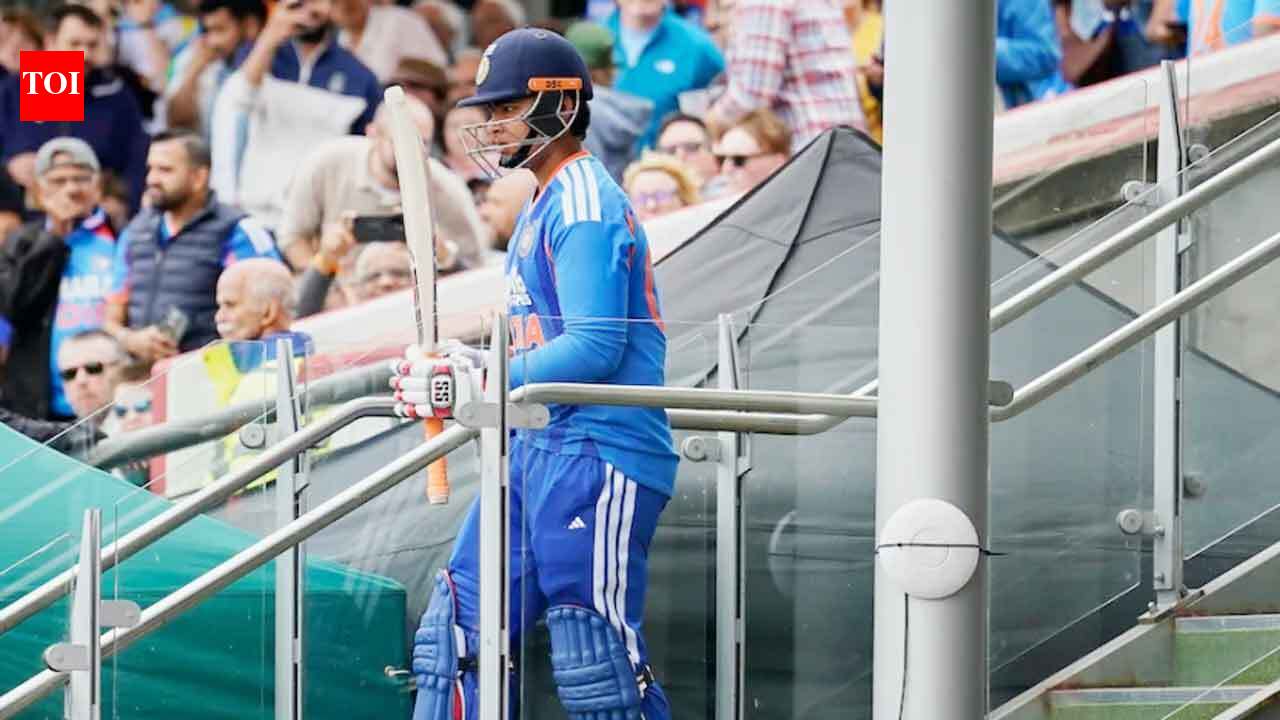
Former cricketer Mohammad Kaif has criticized the Indian team management for dropping Vaibhav Sooryavanshi after his brief stint in the T20I series. Kaif argues that consistent selection is crucial for the development of young players, especially after the team's recent loss.
The Debate Over India's Selection Strategy
Recent comments from former Indian cricketer Mohammad Kaif have ignited a discourse regarding the team's selection policies, specifically concerning the handling of rising talent Vaibhav Sooryavanshi. After Sooryavanshi was brought into the squad to replace the injured Ishan Kishan, he participated in the second and third T20Is. However, his subsequent omission from the fourth match has drawn sharp criticism from experts who prioritize long-term player development over immediate tactical rotations.
The Importance of Consistent Opportunity
Kaif’s primary contention rests on the psychological and technical necessity of providing young athletes with a sustained run of games. In the volatile world of international cricket, a player’s confidence is often tied to the security of their position in the playing XI. By dropping Sooryavanshi after only two matches, the team management risks signaling a lack of faith in the youngster’s abilities, potentially stifling the growth of a player who was brought in precisely to fill a void left by an established star like Ishan Kishan.
Tactical Implications and Recent Performance
While India currently maintains a dominant 3-1 lead in the ongoing T20I series, the recent, substantial defeat in the fourth match serves as a backdrop to this debate. Kaif has explicitly questioned the logic behind reinstating Ishan Kishan immediately upon his return, suggesting that the team should have backed the momentum of the younger squad members. This highlights a classic tension in professional sports between rewarding established veterans and nurturing emerging talent during a series where the result is already largely secured.
Broader Context of Talent Management
This incident mirrors historical debates in Indian cricket regarding the 'transition phase.' Historically, players who are not given a consistent 'long rope' often struggle to adapt to the rigors of international play, leading to a revolving door of talent that can hinder team stability. Kaif’s critique serves as a reminder that the selection process is not merely about individual performance statistics, but about creating an environment where players feel empowered to take risks and learn from their mistakes without the fear of immediate exclusion.
Looking Ahead: The Fifth T20I and Beyond
As the series moves toward its conclusion, the spotlight remains on whether the team management will heed these concerns and offer Sooryavanshi another chance in the fifth T20I. The decision will likely be viewed as a litmus test for India's current selection philosophy. If the goal is to build a robust bench for future international tournaments, the management may need to weigh the benefits of tactical continuity against the necessity of testing newer players under pressure.
Conclusion
Ultimately, the situation surrounding Vaibhav Sooryavanshi highlights the delicate balance required in elite sports management. Mohammad Kaif’s intervention brings to the fore the necessity of balancing winning streaks with player grooming. Whether or not Sooryavanshi returns for the final match, the discourse he has sparked will likely influence future conversations regarding how India nurtures its next generation of cricketing stars.