Kalaignar Centenary government boarding, lodging facility in Vellore remains closed due to delay in fixing room rents
Source Entity
India Latest News: Top National Headlines Today & Breaking News | The Hindu
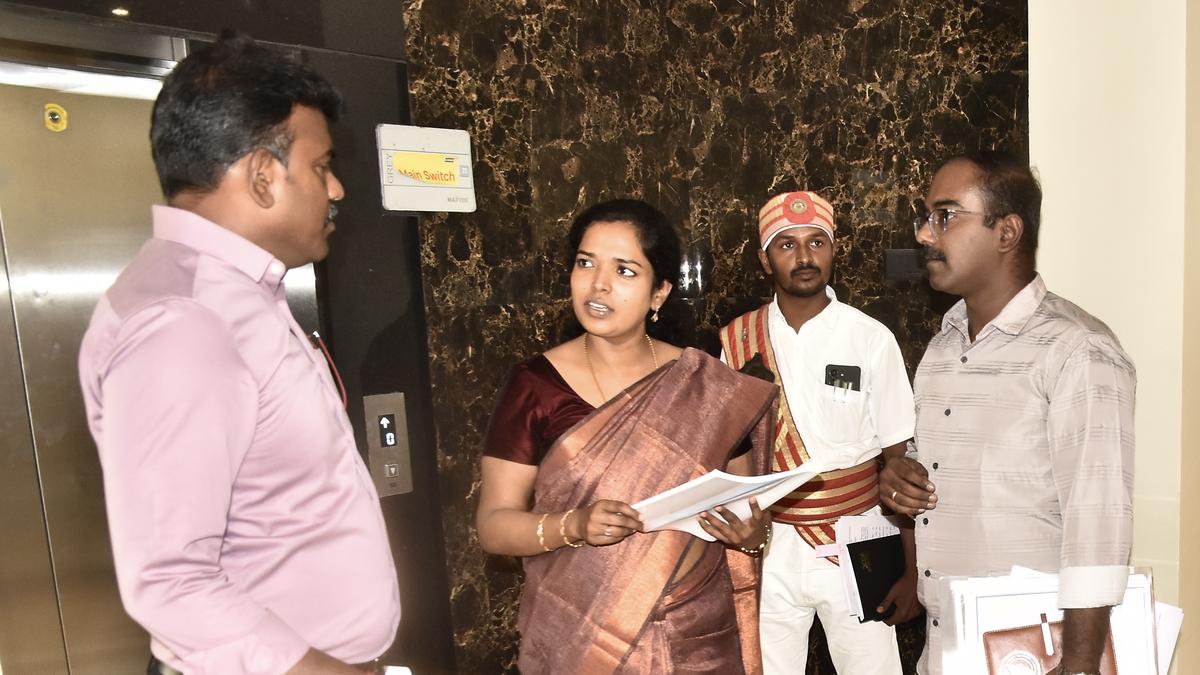
A government-run boarding and lodging facility in Vellore, established to mark the Kalaignar Centenary, remains closed due to bureaucratic delays in determining room rents. This has forced patients and tourists to rely on overpriced and poorly maintained private accommodations.
Administrative Gridlock: The Paradox of the Kalaignar Centenary Facility
The closure of the Kalaignar Centenary government boarding and lodging facility in Vellore serves as a stark illustration of the gap between infrastructure development and operational execution. While the physical structure has been completed as a tribute to the legacy of the former Chief Minister, the facility remains inaccessible to the public. The root cause—a delay in fixing the official room rents—highlights a systemic bureaucratic bottleneck where minor administrative decisions can stall the delivery of essential public services.
The Human Cost of Bureaucratic Delay
Impact on Medical Travelers
Vellore is globally recognized as a premier healthcare destination, primarily due to the presence of world-class institutions like the Christian Medical College (CMC). Every day, thousands of patients and their attendants travel from remote districts of Tamil Nadu and neighboring states to seek critical care. For these individuals, who are often already under immense financial and emotional stress, the lack of affordable government lodging is devastating. The current situation forces them into the hands of private operators who charge exorbitant rates for subpar facilities, effectively adding a financial penalty to their medical crisis.
Tourism and Local Economy
Beyond healthcare, Vellore attracts a significant number of tourists visiting historical landmarks such as the Vellore Fort and the Sripuram Golden Temple. The absence of a regulated, government-backed lodging facility limits the options for budget-conscious travelers. When visitors are forced into "cramped private mansions and motels" that are poorly maintained, it not only diminishes the visitor experience but also reflects poorly on the city's hospitality infrastructure, potentially deterring future tourism growth.
Analyzing the "Rent-Fixing" Bottleneck
The fact that a facility remains closed simply because room rents have not been finalized points to a lack of inter-departmental coordination. Typically, fixing rates for government facilities requires a convergence of revenue assessments, public welfare considerations, and administrative approvals. In this instance, the delay suggests a failure in the "last mile" of project management. Instead of implementing a provisional or tiered pricing structure to allow the facility to open while permanent rates are debated, the administration has opted for a total shutdown, prioritizing procedural perfection over public utility.
Broader Implications for Public Infrastructure
This event mirrors a broader trend in urban governance where "ribbon-cutting" ceremonies are prioritized over sustainable operational plans. The construction of the Kalaignar Centenary facility was likely viewed as a political and symbolic success; however, the utility of a building is defined by its occupancy, not its architecture. The continued closure underscores a critical need for a shift toward "operational readiness" frameworks, ensuring that the rules of engagement—such as pricing and staffing—are settled concurrently with the construction phase.
Conclusion and Future Outlook
To resolve this crisis, the state government must expedite the rent-fixing process or introduce a temporary sliding-scale fee structure based on the user's income level. The irony of a facility named after a leader known for social welfare remaining closed due to a pricing dispute is a narrative the administration cannot afford to maintain. Moving forward, this incident should serve as a case study for future government projects in Vellore and across Tamil Nadu, emphasizing that infrastructure is only a tool, and its true value lies in its accessibility to the common citizen.
Verification Required?