Worker killed, another injured as temple dome collapses during demolition drive in UP’s Chandauli
Source Entity
Manish Sahu
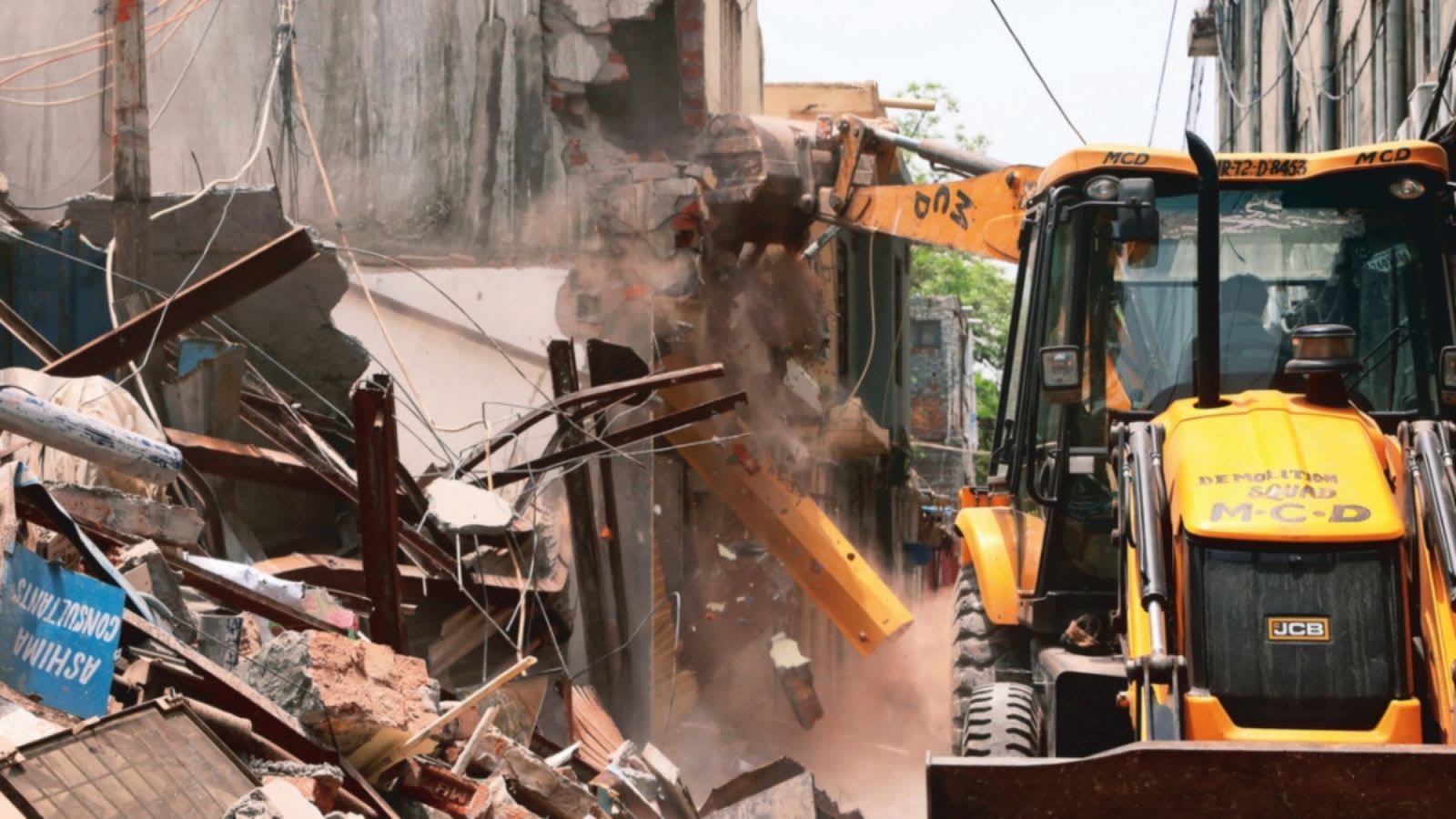
One person was killed and another injured when the dome of a 200-year-old Kali temple collapsed on them during a demolition drive for a road-widening project in Mughalsarai town of Uttar Pradesh’s Cha...
Tragedy in Chandauli: Infrastructure Progress vs. Human Life
In a distressing incident in Mughalsarai town, located within the Chandauli district of Uttar Pradesh, a routine government demolition drive turned fatal. The event occurred during a road-widening project, where the demolition of a 200-year-old Kali temple resulted in the collapse of its dome, leading to the death of one worker and leaving another seriously injured. This incident highlights the precarious balance between rapid urban expansion and the safety of those tasked with executing these transitions.
The Human Cost of Urban Development
The immediate aftermath of the collapse underscores a critical failure in site safety and structural assessment. The loss of life in such a scenario is often an indicator of inadequate risk management. When dealing with structures that are two centuries old, the structural integrity is frequently compromised by age, weather, and previous undocumented modifications. The fact that the dome collapsed directly onto workers suggests that the demolition sequence may not have been properly planned or that the stability of the remaining structure was underestimated, turning a construction site into a death trap.
Heritage Preservation vs. Modernization
Beyond the immediate casualty, the destruction of a 200-year-old Kali temple brings to the forefront the ongoing tension between modernization and heritage preservation in India. Temples of this age often serve as spiritual and social anchors for local communities. When such landmarks are demolished for road-widening projects, it often sparks a conflict between the state's drive for improved logistics and the community's desire to preserve its cultural identity. The loss of such a structure is not merely a physical removal of brick and mortar but an erasure of local history.
Analyzing Demolition Safety Protocols
This accident raises serious questions regarding the safety protocols employed by the contractors and the overseeing government bodies in Uttar Pradesh. Standard demolition practices for ancient structures typically require a comprehensive structural audit and the use of controlled demolition techniques to prevent unplanned collapses. In this instance, the catastrophic failure of the dome suggests a potential bypass of these safety measures. Whether the demolition was carried out manually or with heavy machinery, the lack of a safe buffer zone or adequate shoring appears to have been a contributing factor to the tragedy.
Broader Implications for Infrastructure Projects
Uttar Pradesh has been aggressively pursuing infrastructure upgrades, including massive road-widening projects, to facilitate economic growth and better connectivity. However, as seen in Chandauli, these projects often intersect with densely populated old towns where ancient structures are common. If safety and heritage audits are not integrated into the planning phase, such incidents are likely to recur. This event serves as a cautionary tale for urban planners across the state, emphasizing that the speed of development must not supersede the safety of laborers or the respect for historical landmarks.
Future Outlook and Necessary Reforms
Moving forward, it is imperative that the local administration conducts a thorough investigation into the negligence that led to this death. There should be a shift toward mandatory 'Heritage Impact Assessments' before any demolition drive in historic towns. Furthermore, stricter enforcement of labor safety laws—including the provision of better protective gear and specialized training for demolishing ancient masonry—is essential. Only by implementing these reforms can the state ensure that the path to modernization is not paved with avoidable tragedies.
Conclusion
The death of a worker during the demolition of the Kali temple in Mughalsarai is a sobering reminder of the risks inherent in urban renewal. While road-widening is necessary for economic progress, the cost should not be human lives or the careless destruction of centuries-old heritage. This incident calls for a more holistic approach to urban planning that prioritizes human safety and cultural preservation alongside infrastructure goals.