After milk price hike, Karnataka commuters face higher bus fares
Source Entity
India Latest News: Top National Headlines Today & Breaking News | The Hindu
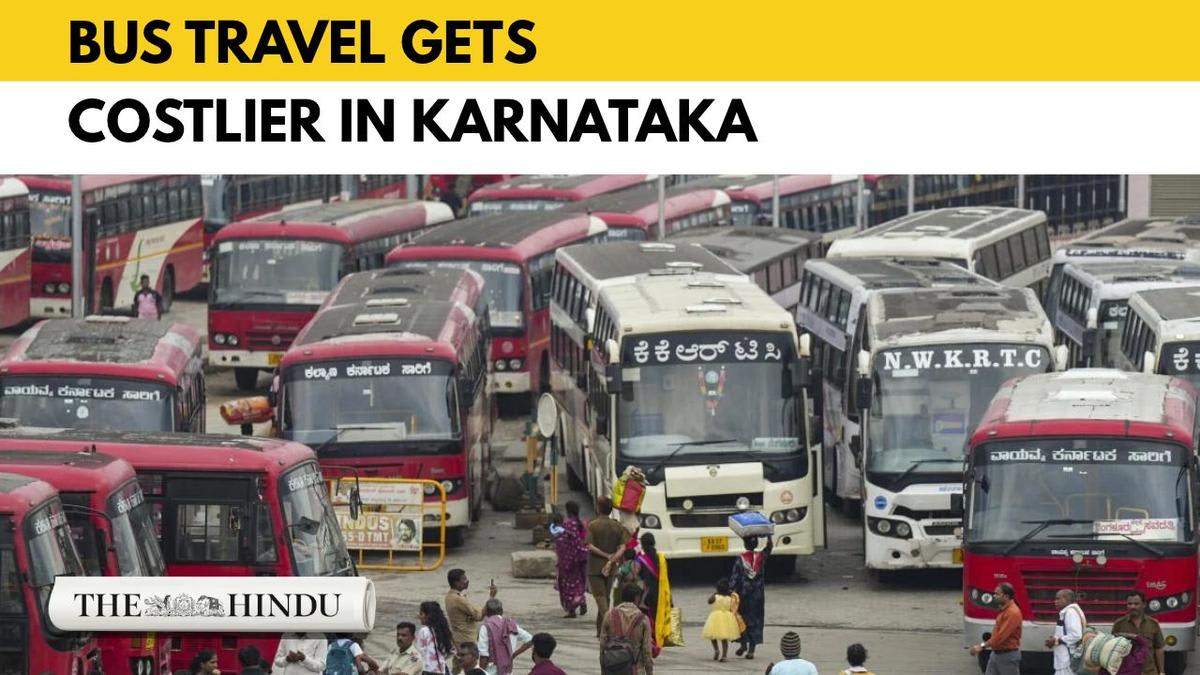
The Karnataka government has announced a hike in bus fares across all state-run transport corporations effective November 5. This increase follows recent surges in milk and curd prices, intensifying the financial burden on commuters.
Economic Strain in Karnataka: A Double Blow for Consumers
The Karnataka government has officially announced a hike in bus fares across all four state-run transport corporations, with the new, revised rates taking effect from the early hours of Thursday, November 5. This decision arrives on the heels of a recent increase in the prices of milk and curd, signaling a challenging inflationary period for the state's residents. For the average commuter, this represents a cumulative financial burden that impacts daily living expenses and disposable income.
The Ripple Effect of Essential Price Hikes
When the cost of essential commodities like milk and curd rises, household budgets are immediately tightened. By subsequently increasing public transport fares, the government has created a compounding effect. Public transport is a lifeline for the working class and students, and by raising these costs, the administration is effectively increasing the 'cost of living' index for thousands of daily travelers who rely on the KSRTC and other state-run buses for their livelihoods.
Analyzing the Impact on State-Run Transport
State-run transport corporations in Karnataka often operate on thin margins, balancing public service mandates with the rising costs of fuel, maintenance, and employee wages. While the government may justify these hikes as a necessity to maintain operational viability, the timing of such an increase—coinciding with food inflation—is particularly sensitive. It highlights the difficult fiscal balancing act the state government must perform to sustain public infrastructure without alienating the voting public.
Broader Economic Implications
Inflation, specifically in the transport sector, often acts as a precursor to broader economic shifts. When commuting costs rise, it often creates pressure for wage adjustments in the private and informal sectors to compensate for the increased cost of transit. Furthermore, if the state’s fiscal health is driving these price hikes, it suggests that the transport corporations are facing significant budgetary constraints that require immediate revenue generation, rather than relying solely on government subsidies.
Looking Ahead: Future Trends
Looking forward, the government will likely face increased scrutiny regarding the efficiency of these transport corporations. As fares rise, commuters will naturally demand higher service standards, better bus frequency, and improved safety measures. Future policy decisions will need to carefully weigh the necessity of cost-recovery against the social responsibility of providing affordable public mobility. If these trends continue, the state may need to explore alternative funding models or operational efficiencies to prevent further price hikes from becoming a recurring burden on the public.
Verification Required?