'Cabinet expansion very soon': Cong hints at Karnataka reshuffle after Rahul-DKS meeting
Source Entity
TOI NEWS DESK
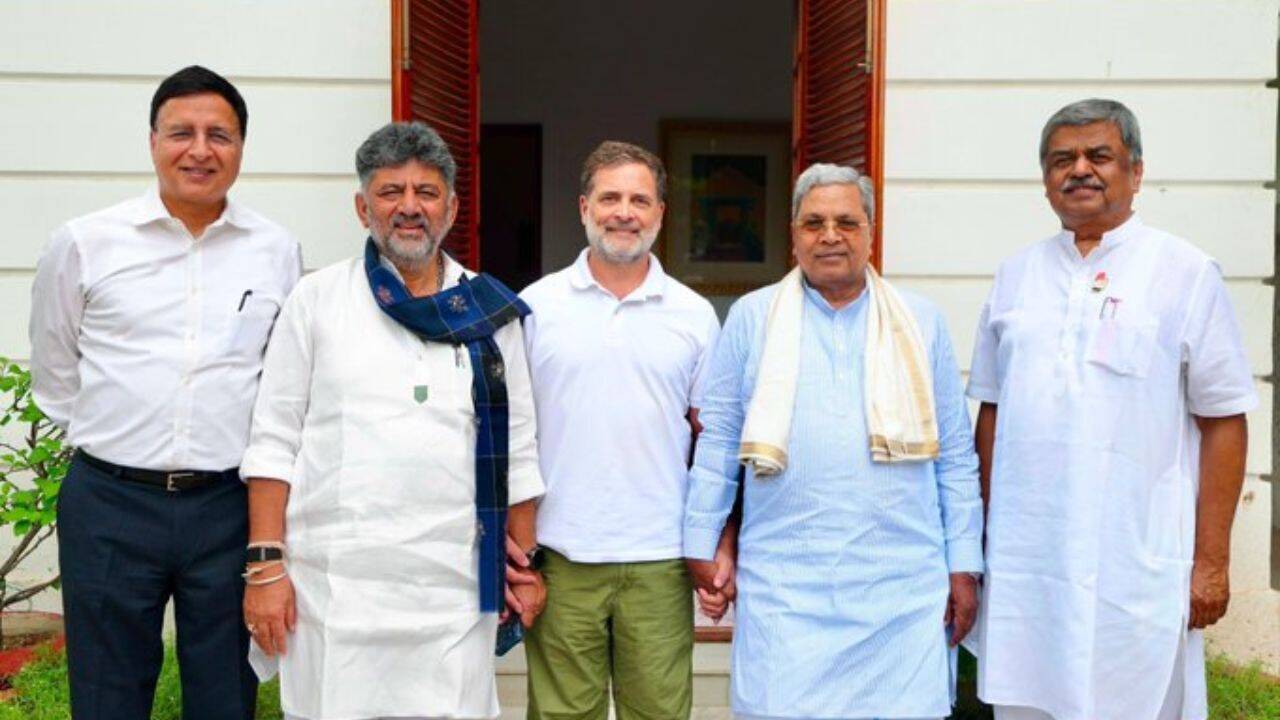
The Congress party is preparing for a significant cabinet expansion in Karnataka following high-level meetings between Rahul Gandhi and DK Shivakumar in Delhi. The party intends to fill approximately twenty vacant ministerial berths and appoint a Speaker before the August assembly session, with a primary focus on balancing regional and caste dynamics.
Strategic Realignment: Analyzing the Impending Karnataka Cabinet Expansion
The announcement of a forthcoming cabinet expansion in Karnataka marks a critical juncture for the state's Congress-led administration. For a considerable period, the government has operated with a lean ministerial team, leaving several portfolios underserved and creating a vacuum in leadership across various departments. The recent high-level consultations in Delhi between Rahul Gandhi and Deputy Chief Minister DK Shivakumar signal that the party's central leadership is now ready to formalize the state's executive structure. This move is not merely an administrative necessity but a strategic political maneuver to stabilize the government's internal dynamics before the legislative machinery ramps up for the next session.
The Significance of the Delhi Consultations
The involvement of Rahul Gandhi in these discussions underscores the importance the Congress high command places on the stability of the Karnataka government. In Indian parliamentary politics, the alignment between the state leadership and the national party apparatus is essential for ensuring that policy goals are synchronized. By meeting in Delhi, DK Shivakumar and other senior leaders are likely negotiating the delicate balance of power within the state unit. The goal is to ensure that the new appointments do not alienate existing power centers while simultaneously rewarding loyalty and competence, thereby preventing internal friction that often accompanies the distribution of ministerial berths.
Navigating the Complexities of Caste and Regional Equations
One of the most challenging aspects of this expansion is the requirement to balance regional and caste equations. Karnataka's political landscape is deeply fragmented along community lines, with dominant groups such as the Lingayats and Vokkaligas wielding significant influence. To maintain social harmony and electoral viability, the Congress party must ensure that the twenty vacant positions are distributed in a way that reflects the state's demographic diversity. Furthermore, the regional divide between North and South Karnataka remains a potent political factor; failing to provide adequate representation to the northern districts could lead to perceptions of neglect, which opposition parties are quick to exploit.
The Critical Role of the Speaker's Appointment
Beyond the ministerial appointments, the filling of the Speaker's post is a priority of paramount importance. The Speaker acts as the neutral arbiter of the Legislative Assembly, controlling the flow of debate and managing the conduct of members. Without a permanent Speaker, the legislative process can become cumbersome, and the government's ability to pass crucial bills and manage assembly sessions is hampered. Appointing a Speaker who commands respect across party lines is essential for the smooth functioning of the house, especially as the government prepares for the upcoming assembly session in August.
Timing and the August Assembly Session
The deadline for this expansion—the August assembly session—is a strategic choice. The assembly session serves as a public stage where the government's efficiency and unity are on full display. Entering the session with a full cabinet allows the government to present a front of strength and stability. It ensures that every portfolio has a dedicated minister to answer queries, defend policies, and introduce new legislation. A delayed expansion could leave the government vulnerable to criticism during the session, as the opposition would likely highlight the administrative gaps and the delay in filling key positions.
Broader Implications and Future Trends
Looking forward, this expansion is likely to redefine the power dynamics within the Karnataka Congress. The selection of the twenty new ministers will signal which factions of the party have the most influence and which directions the government intends to prioritize in its remaining term. If the party successfully balances the caste and regional demands, it will strengthen its grassroots hold and potentially neutralize opposition narratives. However, if the distribution is perceived as biased, it could trigger internal dissent. This reshuffle is a litmus test for the leadership's ability to manage a diverse coalition of interests while maintaining a focus on governance.
Conclusion
In summary, the anticipated cabinet expansion in Karnataka is a multifaceted operation involving political diplomacy, sociological balancing, and administrative urgency. By filling the vacant ministerial slots and the Speaker's post before August, the Congress party aims to optimize its governance capacity and solidify its political footing. The success of this expansion will depend on the party's ability to harmonize the competing interests of regional leaders and caste groups, ensuring a stable and inclusive administration for the state.