Project to fill 88 tanks in Haveri district will be helpful in rain-deficit years, says Karnataka’s PWD Minister Satish Jarkiholi
Source Entity
India Latest News: Top National Headlines Today & Breaking News | The Hindu
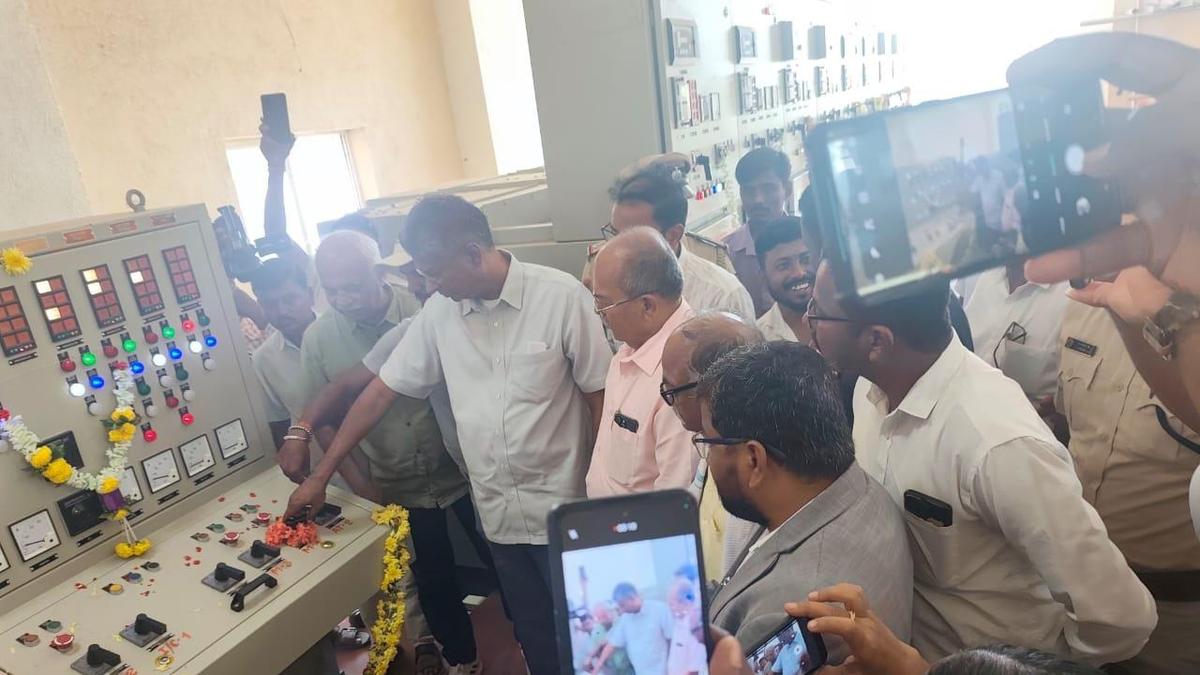
Karnataka PWD Minister Satish Jarkiholi has announced a strategic water conservation project in Haveri district, involving the filling of 88 tanks and the construction of check dams on the Tunga and Varada rivers to improve groundwater levels and ensure water security during drought years.
Strengthening Water Resilience in Haveri: An Analysis of Karnataka's New Infrastructure Project
Karnataka's Public Works Department (PWD) Minister, Satish Jarkiholi, has unveiled a critical water management initiative aimed at bolstering the drought resilience of the Haveri district. The project focuses on two primary interventions: the filling and restoration of 88 tanks and the construction of strategic check dams across the Tunga and Varada rivers. This move comes as a proactive response to the recurring challenges of rain-deficit years, which often cripple the local agrarian economy and deplete vital water resources.
Technical Strategy: Tanks and Check Dams
The decision to target 88 specific tanks suggests a systematic approach to catchment area management. In many parts of rural Karnataka, traditional tanks have suffered from siltation and neglect, reducing their capacity to hold rainwater. By filling and desilting these structures, the government aims to maximize surface water storage. Complementing this is the construction of check dams on the Tunga and Varada rivers. Check dams serve as small, often temporary, barriers that slow down the flow of water, reducing soil erosion and, more importantly, allowing water to percolate deeper into the earth. This dual approach addresses both immediate surface needs and long-term subterranean storage.
Hydrogeological Impact on the Groundwater Table
One of the most significant aspects of Minister Jarkiholi's announcement is the explicit goal of improving the groundwater table. In rain-deficient regions, the over-reliance on borewells often leads to a dangerous drop in the water table, making farming unsustainable. By implementing check dams on the Tunga and Varada rivers, the state is essentially creating artificial recharge zones. As the flow of the river is slowed, the hydrostatic pressure increases, forcing water into the aquifers. This recharge is critical for maintaining a sustainable water cycle, ensuring that wells and borewells remain viable even when the monsoon fails to deliver expected yields.
Socio-Economic Implications for Haveri District
Haveri is a region heavily dependent on agriculture. The stability of the local economy is directly tied to the predictability of water availability. Rain-deficit years typically lead to crop failure, increased farmer debt, and rural distress. By securing water sources through these 88 tanks and river-based interventions, the government is effectively providing a safety net for the farming community. Improved water security allows for more diversified cropping patterns and reduces the vulnerability of farmers to the whims of weather patterns, potentially increasing the overall GDP of the district.
Broader Policy Context and Future Trends
This project reflects a broader shift in Karnataka's infrastructure policy toward 'decentralized water harvesting.' Rather than relying solely on massive dam projects, the focus is shifting toward smaller, distributed structures like check dams and tank restoration. This trend is likely to continue as climate change makes rainfall patterns more erratic. The integration of the Tunga and Varada river basins into this plan suggests a watershed-level management strategy, which is widely considered more ecologically sound and effective than isolated projects.
Conclusion: A Blueprint for Regional Stability
In summary, the initiative led by Minister Satish Jarkiholi is a vital step toward environmental and economic stability in Haveri. By combining the restoration of traditional water bodies with modern check-dam engineering, the Karnataka government is addressing the root cause of water scarcity—the lack of effective storage and recharge. If executed efficiently, this project will not only safeguard the district against immediate drought threats but also establish a sustainable model for groundwater management that can be replicated across other water-stressed regions of the state.
Verification Required?