Karnataka HC declares arrest of Kodagu homestay owner as illegal in alleged rape of US national
Source Entity
India Latest News: Top National Headlines Today & Breaking News | The Hindu
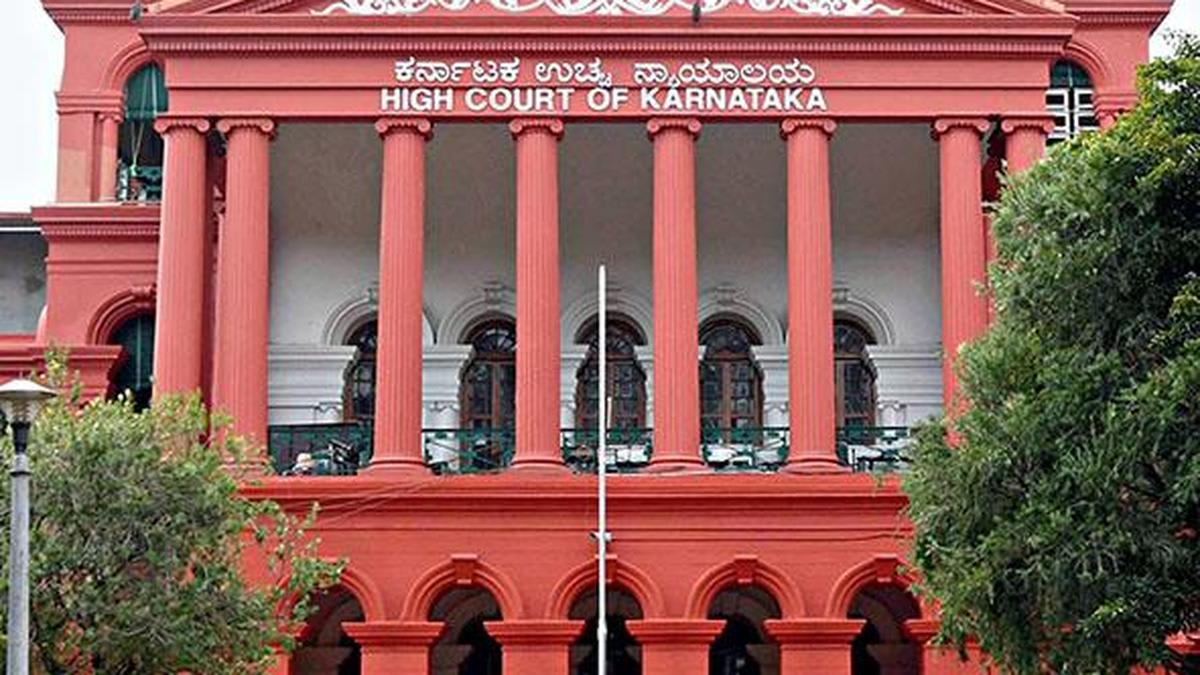
The Karnataka High Court has declared the arrest of a Kodagu homestay owner illegal in a case involving the alleged rape of a US national, ordering the state government to pay ₹5 lakh in compensation to the individual.
Judicial Oversight and Civil Liberties: The Kodagu Homestay Case
In a significant ruling that underscores the importance of procedural propriety in criminal investigations, the Karnataka High Court has declared the arrest of a homestay owner in Kodagu as illegal. The case, which centered on allegations of rape involving a US national, took a critical turn when the court found that the state's law enforcement agencies failed to adhere to the mandatory legal safeguards required during the arrest process. As a result of this judicial finding, the court has directed the Government of Karnataka to pay ₹5 lakh in compensation to the aggrieved individual, marking a stern rebuke of police overreach.
The Legal Implications of 'Illegal Arrest'
The court's decision to label the arrest as 'illegal' typically stems from a failure to comply with the guidelines established by the Supreme Court of India (such as those in the Arnesh Kumar v. State of Bihar case), which mandate that arrests should not be routine in cases where the offense does not carry a sentence of more than seven years, or where there is no immediate risk of the accused fleeing or tampering with evidence. In this specific instance, the High Court's intervention suggests that the police may have bypassed essential checks or failed to provide sufficient justification for the detention. This highlights a recurring tension in the Indian legal system between the urgency of investigating heinous crimes and the fundamental right to personal liberty guaranteed under Article 21 of the Constitution.
Impact on the Tourism and Homestay Ecosystem
Kodagu, known for its lush landscapes and vibrant homestay culture, relies heavily on international and domestic tourism. The involvement of a US national in a high-profile criminal allegation brings an added layer of diplomatic and economic sensitivity. When an arrest is later deemed illegal by a high court, it creates a complex narrative: while the state must ensure the safety of foreign tourists, the wrongful incarceration of a local entrepreneur can damage the reputation of the region's hospitality sector. This case serves as a cautionary tale for law enforcement to balance the need for swift action in sensitive cases with the necessity of building a legally sound case to avoid damaging the livelihoods of local business owners.
The Role of Monetary Compensation as a Deterrent
The directive to pay ₹5 lakh in compensation is more than a mere financial settlement; it is a judicial tool used to hold the state accountable. By imposing a financial penalty on the government for the actions of its police force, the Karnataka High Court is sending a clear signal that the deprivation of liberty without due process will have tangible consequences. Such orders are intended to act as a deterrent against 'arrest-first, investigate-later' mentalities, encouraging investigating officers to prioritize evidence collection and legal scrutiny over immediate custodial interrogation.
Broader Trends in Police Accountability
This ruling fits into a broader national trend where higher courts are increasingly scrutinizing the powers of the police to ensure they are not used arbitrarily. As India updates its criminal laws (transitioning from the CrPC to the BNSS), the focus on documented justifications for arrest and the use of technology to track detention has become paramount. The Kodagu case reinforces the principle that the gravity of the accusation—regardless of the nationality of the victim—does not grant the state a license to ignore the rule of law.
Conclusion
The Karnataka High Court's decision provides a necessary correction in a case where the pursuit of justice likely overshadowed the adherence to legal procedure. By granting compensation to the homestay owner, the court has reaffirmed that the rights of the accused must be protected even in the face of serious allegations. This case will likely be cited in future litigations concerning wrongful arrest and will compel law enforcement agencies in Karnataka to be more meticulous in their approach to custodial procedures.
Verification Required?