Karnataka HC refuses relief to surfer Ramesh Budihal over Asian Games selection
Source Entity
Mustafa Plumber
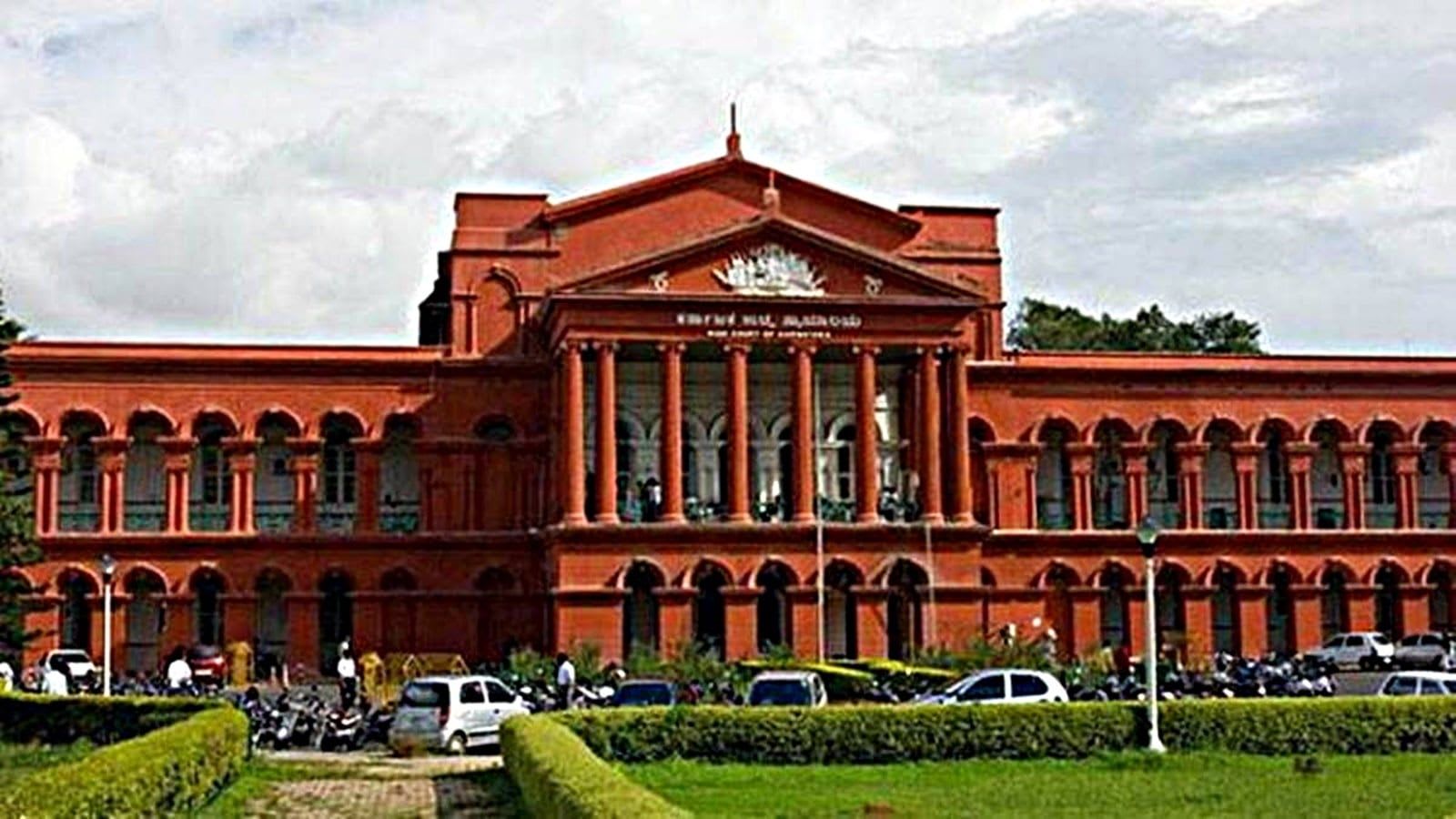
The Karnataka High Court upheld the Surfing Federation of India's selection of Ramesh Budihal as a first reserve for the Asian Games. While the court criticized the SFI for procedural illegalities, it declined to overturn the final decision.
Legal Dispute Over Asian Games Surfing Selection
The Karnataka High Court recently addressed a contentious petition filed by surfer Ramesh Budihal, who challenged the Surfing Federation of India (SFI) regarding his placement as the first reserve for the men’s surfing event at the upcoming Asian Games in Japan. The court’s decision to refuse the quashing of the SFI's selection underscores the complex intersection of sports governance and judicial intervention in India.
The Court’s Stance on Procedural Integrity
While Justice Suraj Govindaraj ultimately declined to grant the relief sought by Budihal, the judgment contained significant reprimands for the sporting body. The court explicitly noted that the selection process finalized on June 23 by the SFI Executive Council was 'vitiated by illegality.' This judicial observation highlights a growing trend where Indian courts are increasingly scrutinizing the administrative transparency of national sports federations to ensure fair play for athletes.
Accountability in Public Institutions
Justice Govindaraj emphasized that the SFI, as a body discharging public duties, is held to a higher standard of transparency and adherence to established selection policies. By placing on record his 'disapproval' of the fresh selection process, the judge sought to establish a precedent that prevents future arbitrary decision-making. This serves as a warning to sports federations that discretionary power must be exercised within the strict confines of constitutional fairness and written guidelines.
The Impact on Athlete Preparation
For an athlete like Ramesh Budihal, the court's refusal to grant relief represents the end of a high-stakes legal challenge just before the September 19 commencement of the Asian Games. The uncertainty surrounding selection processes can be profoundly detrimental to an athlete's mental focus and physical training regimen. This case serves as a stark reminder of how administrative bottlenecks can overshadow the sporting achievements of individuals who have dedicated their lives to representing the nation.
Future Trends in Sports Governance
Looking forward, this ruling is likely to prompt the SFI and other similar sports federations to overhaul their internal selection protocols. By highlighting the 'infirmity' of the current process, the Karnataka High Court has effectively mandated that future selections must be beyond reproach. Failure to rectify these procedural gaps could lead to further litigation, which not only disrupts team morale but also risks the reputation of Indian sports on the international stage.
Conclusion
In summary, the Karnataka High Court's verdict provides a nuanced resolution: it maintains the stability of the current Asian Games team by refusing to overturn the SFI's decision, yet it simultaneously serves as a stern corrective measure for the federation. The case stands as a pivotal moment for transparency in Indian sports administration, signaling that while the judiciary may be hesitant to disrupt a team roster on the eve of a major event, it will not remain silent regarding institutional malpractice.