‘Not fair’: Karnataka High Court pulls up Bengal over review of Rafikul Biswas’ citizenship
Source Entity
Mustafa Plumber
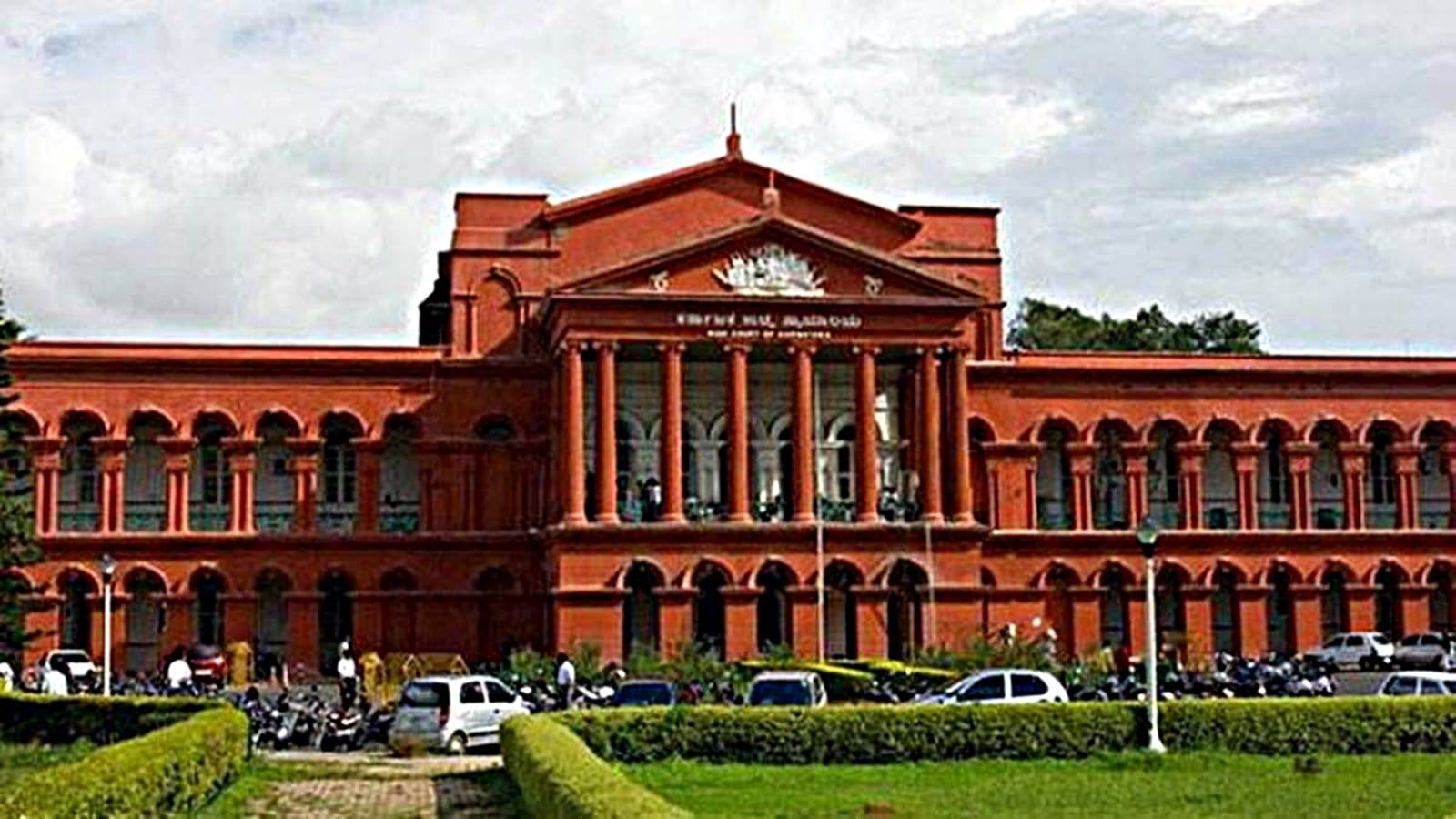
The Karnataka High Court on Monday slammed the West Bengal government for seeking more time to review the documents proving the citizenship of a school driver who was detained in Bengaluru last year o...
Judicial Reprimand Over Citizenship Verification Delays
In a significant legal development, the Karnataka High Court has expressed strong dissatisfaction with the West Bengal government's failure to expedite the review of citizenship documents for Rafikul Biswas. Mr. Biswas, a school driver who was detained in Bengaluru last year, has found himself caught in a bureaucratic stalemate between two state governments. The court's remark that the delay is "not fair" underscores a growing judicial impatience with administrative inertia in cases involving fundamental rights and personal liberty.
The Core of the Legal Dispute
The case centers on the verification of documents that would prove Rafikul Biswas's citizenship. While the detention occurred in Karnataka, the primary records and evidence required to validate his legal status are located in West Bengal. This geographical and administrative divide has created a procedural bottleneck. The West Bengal government's repeated requests for more time to review these documents have been viewed by the Karnataka High Court not as a necessity of due diligence, but as an unnecessary delay that prolongs the legal limbo of the detainee.
Inter-State Administrative Friction
This incident highlights the complexities of inter-state coordination within the Indian federal structure, particularly regarding citizenship and immigration records. When an individual is detained in one state but hails from another, the reliance on the 'home state' for verification can lead to significant delays. The friction observed here suggests a lack of streamlined communication channels between the Karnataka and West Bengal administrations, leaving the judiciary to step in as the primary catalyst for progress. The court's intervention serves as a reminder that administrative delays can infringe upon the constitutional right to a speedy trial and fair treatment.
Broader Legal and Human Implications
From a human rights perspective, the case of Rafikul Biswas illustrates the vulnerability of low-wage workers, such as school drivers, when faced with citizenship disputes. The loss of livelihood and the psychological toll of detention are exacerbated when the state fails to provide timely answers. Legally, this case emphasizes the principle of habeas corpus and the right to liberty; if the state cannot prove a person's illegal status in a reasonable timeframe, the continued detention becomes legally tenuous. The court is essentially demanding accountability from the West Bengal government to ensure that the process of verification does not become a tool of harassment or neglect.
Historical Context and Future Trends
Citizenship verification has become an increasingly sensitive and complex issue in India over the last few years, often involving rigorous scrutiny of ancestral documents. This case is reflective of a wider trend where local administrations are tasked with verifying citizenship based on often fragmented or archaic record-keeping systems. Moving forward, this case may push for a more digitized, centralized approach to citizenship documentation to prevent such inter-state delays. It is likely that the Karnataka High Court will continue to set strict deadlines for the West Bengal government, potentially imposing penalties or ordering the release of the individual if the state fails to produce evidence within a stipulated window.
Conclusion
The Karnataka High Court's stance in the Rafikul Biswas case is a critical check on executive inefficiency. By labeling the West Bengal government's delays as "not fair," the court has prioritized the individual's right to a resolution over administrative convenience. The outcome of this case will likely serve as a precedent for how courts handle inter-state citizenship verifications, emphasizing that the burden of proof lies with the state and must be discharged with urgency and fairness.