Labourer’s son to excise guard: Karnataka High Court backs KPSC candidate’s selection
Source Entity
Somya Panwar
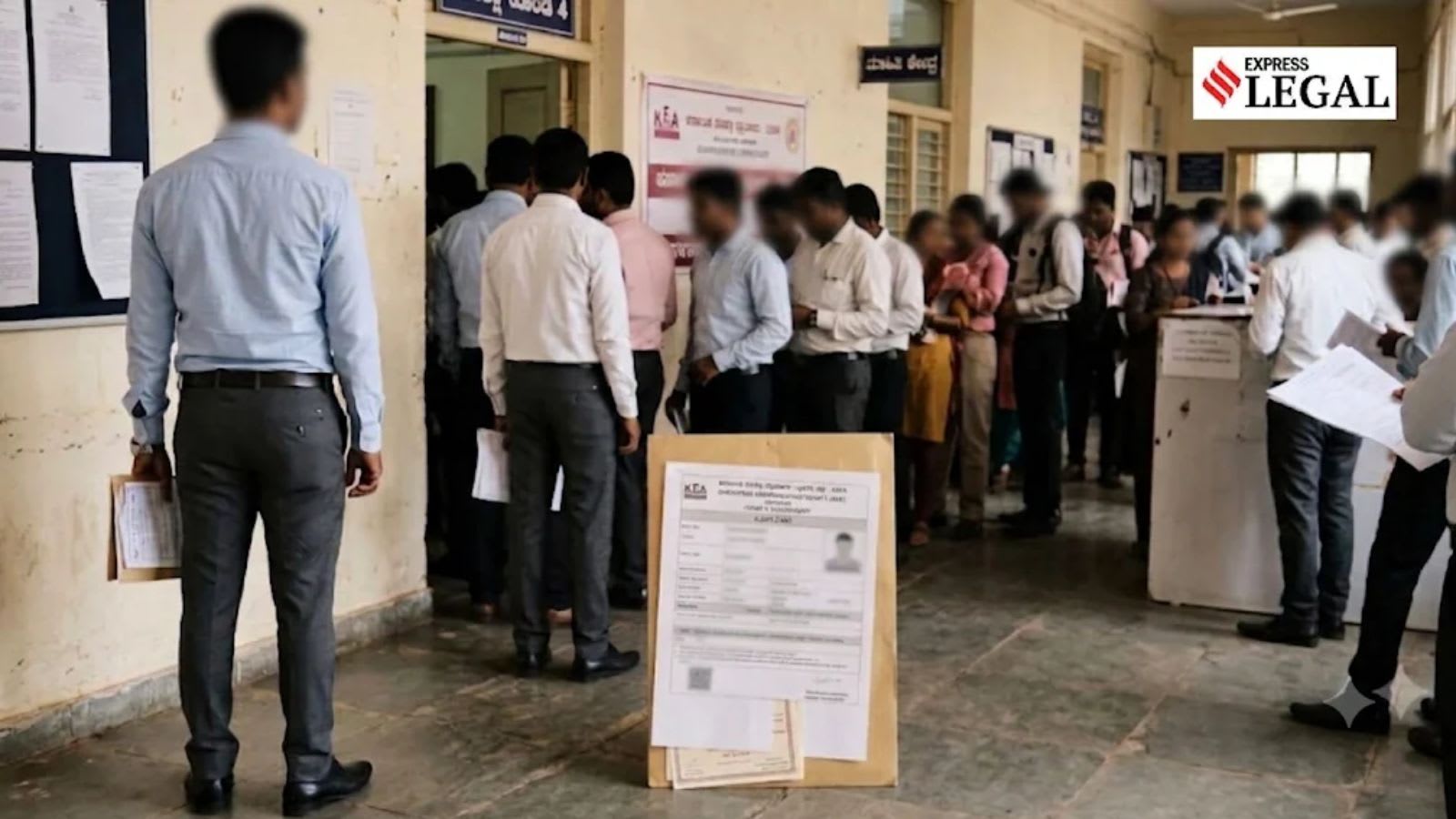
The Karnataka High Court has ruled in favor of a KPSC candidate whose appointment was stalled due to a clerical error regarding his birth date. The court emphasized that the state cannot penalize candidates for administrative negligence.
Justice for a Deserving Candidate: The Karnataka High Court Ruling
The recent verdict by the Karnataka High Court serves as a significant judicial intervention in the administrative process of public recruitment. The case involves a candidate from a scheduled caste background who, despite clearing the rigorous Karnataka Public Service Commission (KPSC) examination in 2009, faced an indefinite delay in his appointment as an excise guard. This delay stemmed from a clerical discrepancy in his Secondary School Leaving Certificate (SSLC), which erroneously listed his birth year as 1980 instead of 1982.
The Burden of Administrative Negligence
At the heart of this legal battle is the principle of institutional accountability. The candidate, raised by a single mother working as a daily wager, had provided consistent documentation in his transfer certificate and cumulative records that correctly identified his birth year. The court astutely observed that the candidate should not be forced to pay the 'price of administrative negligence.' This ruling reinforces the idea that bureaucratic errors—often the result of poor data entry or record-keeping—should not derail the lives and careers of qualified individuals.
Overcoming Socioeconomic Barriers
This case highlights the immense hurdles faced by candidates from marginalized backgrounds in India's competitive public sector landscape. For an individual raised by a single mother in difficult financial circumstances, securing a position through the KPSC represents a monumental life achievement and a pathway to social mobility. The court's decision to prioritize the candidate's verified records over a singular, flawed document demonstrates a commitment to equitable justice, ensuring that systemic incompetence does not become an insurmountable barrier for the underprivileged.
Implications for State Recruitment Policies
This judgment serves as a stern reminder to government bodies regarding the necessity of accurate record management. When state agencies fail to maintain error-free documentation, the downstream effects on employment and public trust are profound. By ruling in favor of the candidate, the High Court has effectively mandated that the state cannot take advantage of its own procedural failings to deny a citizen their rightful opportunity for employment.
A Precedent for Future Litigation
Looking ahead, this verdict will likely serve as a crucial precedent for similar cases involving discrepancies in educational certificates. It empowers other candidates who may find themselves caught in the gears of bureaucratic inertia to seek judicial redress. By establishing that the state holds the primary responsibility for the accuracy of its own records, the judiciary is fostering a more transparent and fair recruitment environment, ensuring that merit remains the primary criterion for selection in public service.